Plate Nº 60 · recorded October 14, 2026
Health & Medicine ResearchReported finding
NEJM Publishes Oral Semaglutide Cardiovascular Outcome Study
The New England Journal of Medicine has published a study on oral semaglutide and cardiovascular outcomes in high-risk type 2 diabetes patients. The trial tracks heart attacks, strokes, and deaths.
By Elena Vasquez3 min read550 words
In brief
- Published in The New England Journal of Medicine.
- Drug: oral semaglutide, a pill formulation of a once-weekly injectable.
- Population: adults with type 2 diabetes at elevated cardiovascular risk.
- Endpoints tracked: heart attacks, strokes, and cardiovascular deaths.
- Cardiovascular outcome trials became a standard regulatory requirement after a 2007 safety meta-analysis.
By Elena Vasquez
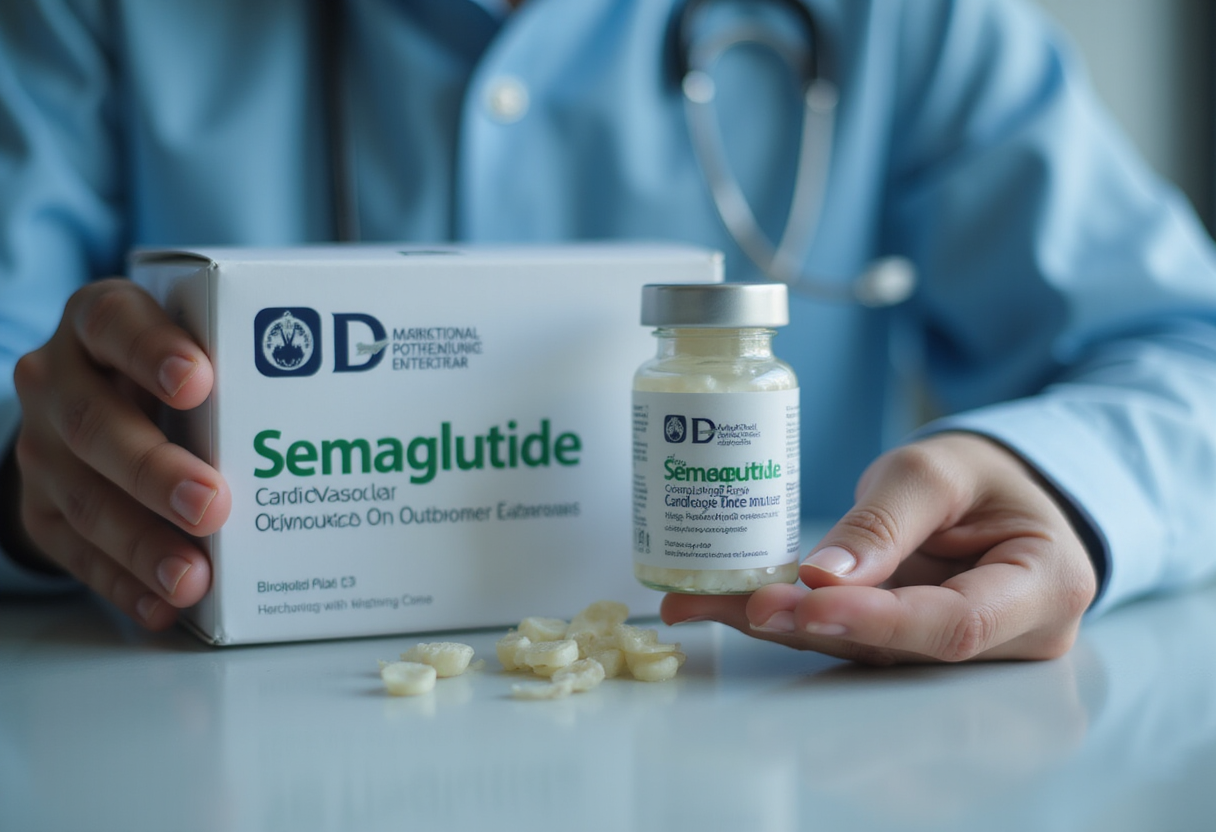
The New England Journal of Medicine has published a study on oral semaglutide and cardiovascular outcomes in patients with high-risk type 2 diabetes. The pill-form diabetes drug, the journal confirmed in its latest release, is being tested in adults whose condition puts them at elevated cardiovascular risk.
Such patients typically carry prior heart attack, stroke, established heart disease, kidney disease, or a stack of metabolic risk factors. Diabetes roughly doubles cardiovascular death risk. Outcomes for high-risk patients have barely moved in two decades. The sickest patients carry the highest absolute event rates.
Oral semaglutide is the pill form of a drug that launched years ago as a weekly injection. Its active ingredient targets GLP-1, a gut hormone that regulates blood sugar, slows digestion, and quiets appetite. Same molecule in both. Different delivery.
What does the study measure?
Cardiovascular outcome trials track hard endpoints — heart attacks, strokes, cardiovascular deaths. These events are the gold standard for proving whether a diabetes drug reduces the kind of damage that kills. NEJM's study enrolls high-risk patients on purpose: bigger event rates, faster answers, the clearest test.
Why does oral formulation matter?
Needles are a barrier. A once-daily pill reaches patients who fear injections, lack refrigeration, or live far from clinics. Whether the cardiovascular benefit survives the reformulation has been the open question since regulators first approved the tablet.
A positive heart-outcome result here could move oral semaglutide up treatment guidelines for the highest-risk patients.
How does the drug actually work?
GLP-1 receptor agonists mimic a hormone the gut releases after meals. The drug binds to receptors in the pancreas, gut, and brain. In the pancreas, it boosts insulin release when blood sugar climbs. In the gut, it slows stomach emptying and softens the post-meal sugar spike. In the brain, it quiets appetite.
Takeaway: same biological pathway; the oral pill absorbs through the stomach lining rather than entering through an injection under the skin.
Who counts as "high-risk"?
The label covers a sliding scale. Endocrinologists flag patients with established atherosclerotic disease, advanced kidney decline, severe obesity, or uncontrolled blood sugar despite multiple medications. Age and years with diabetes push the calculation further. Trial designers pick this population because events happen fast enough to deliver a clean read inside a study window.
Why cardiovascular trials became standard
A 2007 meta-analysis raised alarms that a popular diabetes drug might raise heart attack risk. Regulators responded by requiring new diabetes drugs to clear dedicated cardiovascular safety trials before or soon after approval. The rule reshaped the field.
Takeaway: every major diabetes drug now ships with a cardiovascular outcome trial as a baseline expectation.
What this could change in practice
Current guidelines from major diabetes associations already recommend GLP-1 receptor agonists for patients with established cardiovascular disease — but those recommendations lean on evidence from injectable formulations. A positive oral trial would give prescribers, payers, and patients another option at the front of the treatment ladder.
Takeaway: coverage decisions and prescribing patterns typically follow cardiovascular outcome data within a year or two of publication.
This study's findings will help decide where the oral pill fits in the high-risk diabetes toolkit.
The full study appears at the New England Journal of Medicine.
via Google News: Clinical Trials (Source)
More from Elena Vasquez
Show full bio
Correspondent covering money, funding and market shifts around general science news at SciBeat.
230 articles
Nearby plates
- SELECT Long-Term Weight Loss Data Published in Nature
- Lancet Publishes Results of Semaglutide Trials in Early Alzheimer's
- Large Nordic Study Finds No Link Between Semaglutide and Pancreatic Cancer
- Semaglutide and Tirzepatide: Heart Outcomes Compared in Real-World Study
- Quitting Ozempic for Two Years Raises Heart Risk by 22%