Plate Nº 53 · recorded November 12, 2026
Health & Medicine ResearchReported finding
One Combination Pill Nearly Doubled Blood Pressure Control in Trial
A combination pill plus home monitoring and nurse support helped nearly 70% of patients control blood pressure, versus 29% with usual care. But the pill wasn't the whole story.
By James Calloway3 min read517 words
In brief
- Nearly 70% of patients in the combination-pill program reached a blood pressure target below 130/80, versus 29% with usual care.
- The CATCH trial enrolled 1,706 adults with uncontrolled hypertension at 40 clinics in Jamaica and Colombia.
- Systolic blood pressure fell about 19 points in the intervention group and 9 points with usual care over 18 months.
- Results were published in JAMA.
- Six months after the trial, about 75% of patients still received combination pills through insurance or public programs.
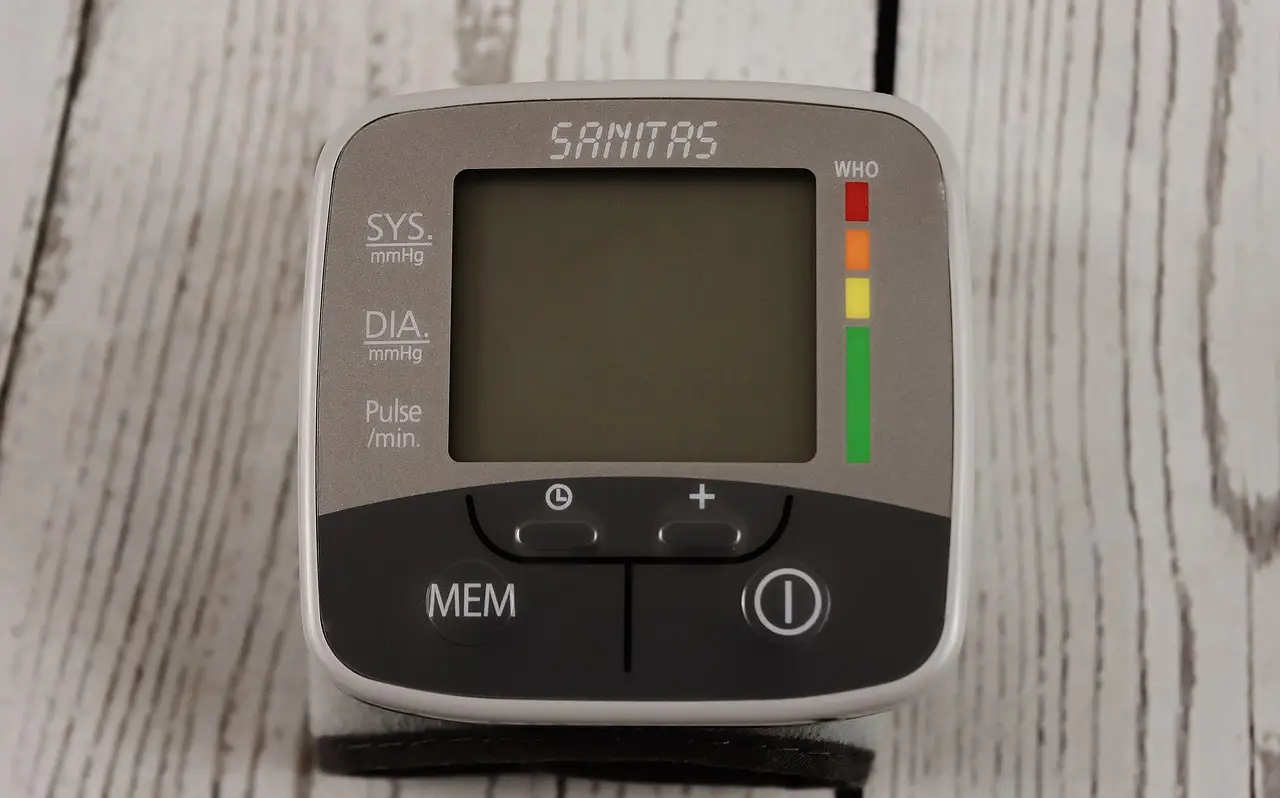
Nearly 70% of patients with uncontrolled high blood pressure reached a safe target when treated through a program built around a single combination pill, compared with just 29% under usual care. Those figures come from the CATCH trial, which ran across 40 primary care clinics in Jamaica and Colombia and enrolled 1,706 adults. The results appeared in JAMA.
Here's the catch, and it's a real one. The program didn't just swap the pill. Patients also got home blood pressure monitors, nurse follow-up and coaching. So the headline number shows what a whole package of care can achieve — not what a combination pill does on its own.
How did the trial work?
Half the clinics continued their usual approach: doctors typically start with one medicine, then raise the dose or add drugs if pressure stays high. That's slow. It can leave patients above target for months.
At the other clinics, patients received a pill containing two or three blood pressure medicines at once. Different drugs act on different parts of the systems that regulate blood pressure, and combining them cuts the number of tablets a patient has to remember each day.
Nurses taught patients to use a supplied home monitor and reviewed the readings. A coach helped them take the medicine consistently. The results were assessed after 18 months.
What were the numbers?
The trial's control goal was a reading below 130/80. Systolic pressure — the top number in a reading — fell by about 19 points in the intervention group and 9 points with usual care.
Nearly seven in ten program patients reached the target. Fewer than three in ten in usual care did.
What does this change for patients?
Possibly a lot. But read the fine print first.
Six months after the trial ended, about 75% of intervention patients were still receiving combination pills through insurance or public programs, and their better control persisted. That matters. A promising treatment dies quickly if patients can't reliably obtain the medicine. The follow-up tested whether care could continue through existing systems — and, at least in these settings, it did.
Still, this trial has honest limits. It measured blood pressure control. It did not prove a reduction in heart attacks or strokes, which is the outcome that actually counts for patients. Larger or longer trials would need to establish that. Nobody has yet costed out what the program takes to deliver, either.
The extra support may also explain part of the effect. Home readings show what happens between appointments, and regular review lets staff catch a problem before a patient has spent months with pressure above target. The pill simplified the routine. The nurses and coaches kept it on track.
The bottom line
The findings hand health services a practical model to examine: simplify the medicine routine, make readings available at home, and provide a team that can act on them. Testing the pieces together showed what is possible when they're delivered as one package.
Whether the package survives outside a trial, at scale, on a budget — that question remains open.
via knowridge.com (Source)
More from James Calloway
Show full bio
Staff writer covering regulation, policy and their impact on general science news at SciBeat.
346 articles
Nearby plates
- Blood pressure medicines protect less when doses are missed
- An 80-80-80 Blood Pressure Plan Could Prevent Up to 130 Million Deaths
- Phase 3 Trial Tests Baxdrostat Against Resistant Hypertension
- Aggressive Blood Pressure Targets Show No Clear Heart Benefit in Diabetes Trial
- Cholesterol Combo Beats Statin Alone on Numbers, Not Outcomes