Recorded November 25, 2026
Biology & EvolutionReported finding
One Fungal Protein Reprograms Plant Cells Into Water Pipelines
A Göttingen-led team found a single fungal protein, TRADE, that reprograms plant cells into water-conducting xylem. Infected plants held more water under drought, though causation is not yet proven.
By Elena Vasquez4 min read726 words
In brief
- The study appears in Cell Host & Microbe (2026), DOI 10.1016/j.chom.2026.11.002.
- A single fungal protein, TRADE, triggers specialized plant cells to become water-conducting xylem cells.
- Plants infected with the studied Verticillium strains retained higher water content under drought stress than uninfected plants.
- The mechanism works by extending the lifespan of specific mRNA molecules inside plant cells.
- The research was led by the University of Göttingen with the University of Tokyo and RIKEN CSRS in Japan.
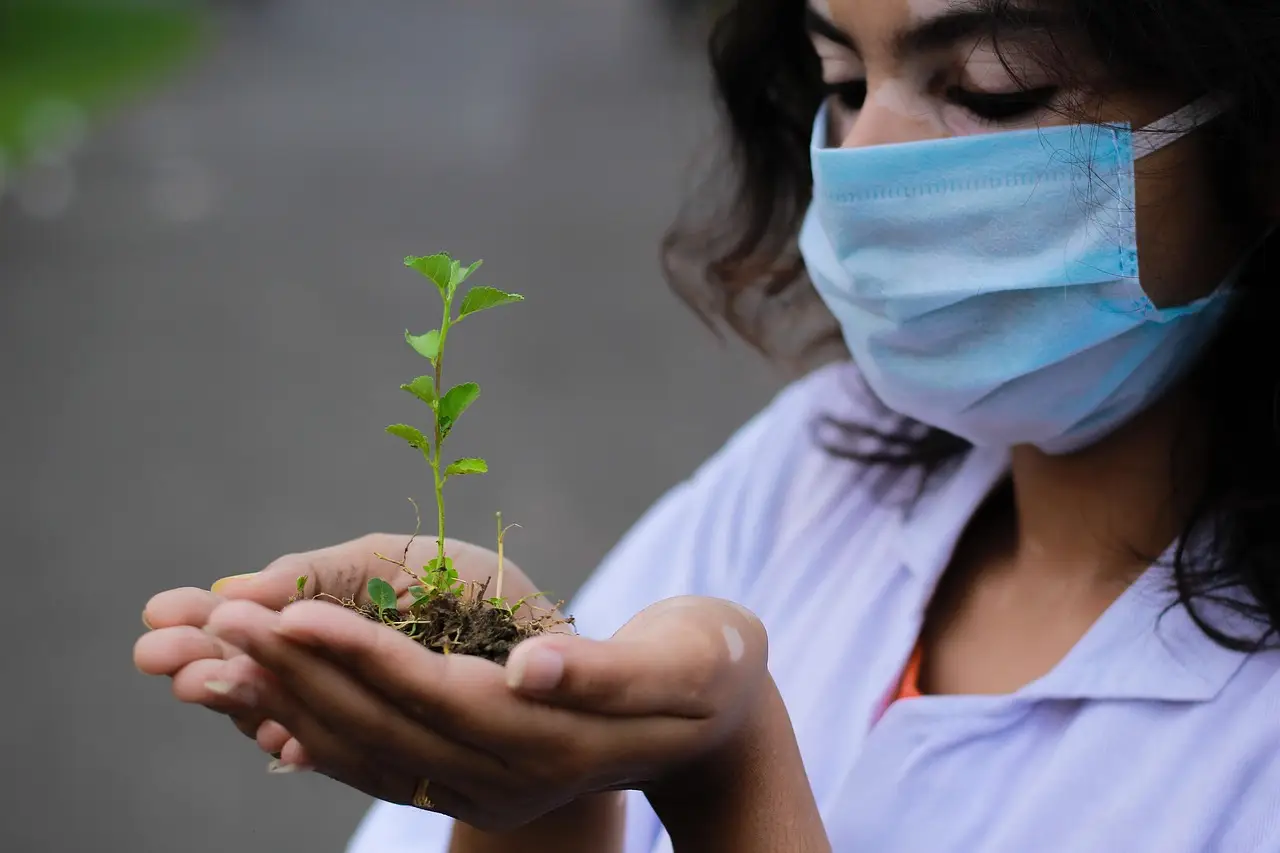
A single fungal protein called TRADE can force specialized plant cells to abandon their identity and become water-carrying tissue, according to an international study published in the journal Cell Host & Microbe in 2026.
The finding comes from a research team led by the University of Göttingen, working with the University of Tokyo and the RIKEN Centre for Sustainable Resource Science in Japan. It solves part of an apparent paradox: a pathogen that damages crops can simultaneously make those plants more tolerant of drought.
The pathogen in question belongs to the genus Verticillium, a group of fungi that infects many crops and causes significant damage to plants such as oilseed rape.
What did the researchers actually find?
The team compared the genomes of various Verticillium strains that trigger different disease symptoms. That comparison revealed one crucial genetic difference between the strains. The researchers then used targeted genetic modifications of the fungi and studied infected plants to pin down which fungal protein was responsible for the unusual changes in the plant's xylem — the tissue that moves water up to a plant's stems and leaves.
The protein's name is TRADE, short for "Transdifferentiation Effector." The fungus releases it, and it enters the plant's cells.
That's the punchline. One molecule, one dramatic cellular outcome.
How does the protein work?
Inside the plant cell, TRADE interferes with the regulation of genetic messenger molecules, called mRNAs, which serve as blueprints for proteins. Through a cascade of different plant proteins, TRADE extends the lifespan of certain mRNAs.
Longer-lived mRNAs keep their blueprints in circulation longer. That activates a developmental program in which specialized plant cells drop their original identity and transform into new water-conducting xylem cells — a process known as transdifferentiation.
In plain terms, the fungus rewrites the plant's cellular job assignments. Cells built for something else get reassigned to plumbing.
Does infection really help plants survive drought?
Partly — and the researchers are careful about how far they push the claim.
"Surprisingly, plants infected by the Verticillium fungi investigated in our study retain higher water contents under drought stress than uninfected plants," said professor Volker Lipka of Göttingen University's Department of Plant Cell Biology, who led the research. "Whether the additional water-conducting cells are directly responsible for this increased tolerance to drought remains to be investigated."
So the drought link is an open question, not a proven mechanism.
Lead author Dr. Konrad Subieta, also of the same department, put the broader picture in perspective: "The fact that a pathogen can, on one hand, damage plants but, on the other hand, increase their resilience to drought highlights the astonishing complexity of these interactions."
In other words, the friend-enemy split doesn't hold at the molecular level.
Who did the work?
The study ran as a close collaboration between Göttingen's Department of Plant Cell Biology and other plant science and microbiology departments within the university's Faculty of Biology and Psychology and Faculty of Forest Sciences and Forest Ecology, alongside the two Japanese partners.
The paper is: Konrad Subieta et al., "Drought tolerance-enhancing fungal pathogens reprogram plant cell identity through mRNA turnover," Cell Host & Microbe (2026). DOI: 10.1016/j.chom.2026.11.002.
What could this mean for crops?
The researchers see a longer-term application. If scientists understand the molecular mechanism well enough, they could use it independently of the fungus itself to make crops more resilient to drought.
That's the practical appeal: borrow the pathogen's trick without the pathogen.
What are the caveats?
Three, at minimum. The drought tolerance result is correlative in the published findings, and Lipka explicitly says direct causation from the new xylem cells remains untested. The study covers specific Verticillium strains, and strains differ in disease symptoms and genetics. And any translation into field-ready crops would require separating TRADE's drought benefit from the damage the fungus causes in crops such as oilseed rape.
Still, the core discovery stands on its own. A pathogen can hijack plant cell identity through control of mRNA lifespan — a mechanism nobody had pinned to a single fungal effector before.
Takeaway: A fungus known for damaging crops uses one protein, TRADE, to turn other cells into water pipes, and infected plants hold more water in drought — a trick breeders may one day copy without the fungus.
via phys.org/rss-feed/ (Source)
More from Elena Vasquez
Show full bio
Correspondent covering money, funding and market shifts around general science news at SciBeat.
639 articles
Nearby plates
- Farm Fungicides Keep Aspergillus Drug Resistance Alive, Study Finds
- Scientists Find a Way to Kill a Drug-Resistant Deadly Fungus
- First U.S. Clone of Tomato Spotted Wilt Virus Built in Texas
- Bacterial Nanosyringes Inject Working Proteins Into Plant Cells
- Study finds a parasite of powdery mildew in about 7% of samples