Recorded November 25, 2026
Science Policy & FundingReported finding
Only 17 of 77 Policy Documents Mention Donkeys, Study Finds
A review of 77 policy documents found only 17 mention domestic equids, leaving East Africa's working donkeys outside drought relief, veterinary services and emergency support.
By Priya Raman4 min read798 words
In brief
- Only 17 of 77 national and international policy documents reviewed mentioned domestic equids such as donkeys, horses and mules.
- Researchers interviewed 41 officials, veterinarians, NGO staff and community representatives in Kenya and Ethiopia.
- East Africa experienced severe drought between 2020 and 2023, causing crop failures, livestock losses and food insecurity.
- The study appears in the Journal of Rural Studies (2026), DOI: 10.1016/j.jrurstud.2026.104414.
- The findings build on earlier University of Portsmouth work published in Anthrozoös in June 2026.
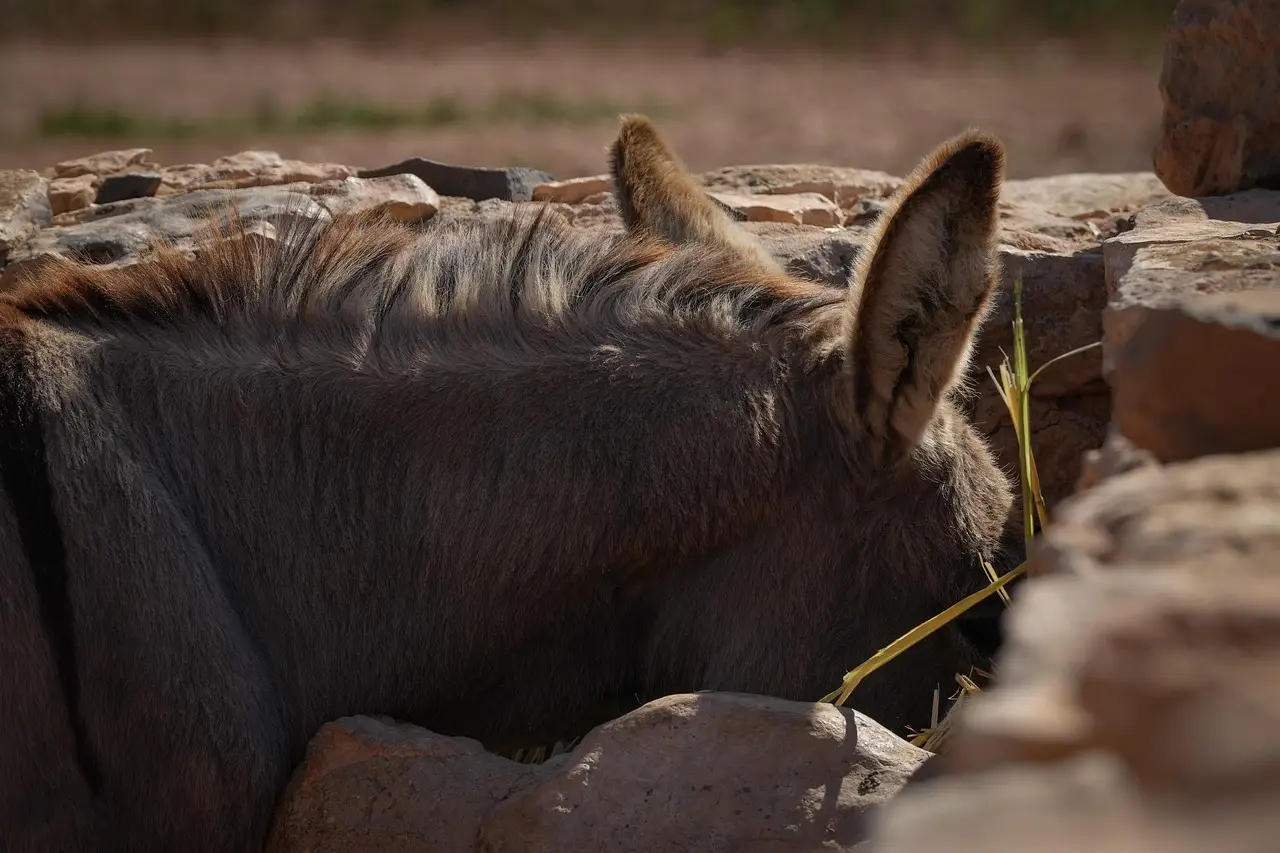
Seventeen. That is how many of the 77 national and international policy documents examined by researchers at the University of Portsmouth and its partners in Kenya and Ethiopia mention domestic equids — the animal group that includes donkeys, horses and mules. The number sits at the center of a new study, published in the Journal of Rural Studies in 2026, that argues working donkeys in East Africa are systematically overlooked in drought planning, veterinary services and emergency relief, despite carrying much of the burden of survival when the rains fail.
The project, led by the University of Portsmouth in collaboration with Maasai Mara University in Kenya and Haramaya University in Ethiopia, reviewed those 77 policy documents and conducted interviews with 41 government officials, veterinarians, nongovernmental organization staff and community representatives. The interviews traced the same pattern on the ground: donkeys are routinely excluded from veterinary education, health infrastructure and drought relief programs.
When water sources dry up, donkeys travel long distances to collect water for people, crops and other livestock. They carry animal feed, transport belongings, help people reach health care facilities and aid distribution centers, and support access to markets. During drought, they can provide an important source of income for families whose livelihoods are under pressure.
Why does the gap exist?
The researchers found that donkeys were rarely recognized for their contribution to community resilience, and were often considered in economic terms rather than in relation to their welfare needs. Drought responses and agricultural policies tend to prioritize animals valued for food production, such as cattle.
The study identifies several drivers of the exclusion:
- limited recognition of donkeys' contributions;
- a lack of data on their economic value;
- livestock systems that do not adequately account for working animals.
The timing matters. East Africa experienced severe drought between 2020 and 2023, bringing widespread crop failures, major livestock losses in some areas, food insecurity and conflict over dwindling resources. The researchers warn that the lack of recognition leaves animals that communities depend on without adequate support, potentially undermining people's ability to cope with increasingly severe droughts.
Professor Leanne Proops, of the Centre for Comparative and Evolutionary Psychology at the University of Portsmouth, said: "Working donkeys are a lifeline for many communities during drought, helping people access water, transport essential supplies and sustain their livelihoods. Yet their contribution is largely overlooked in the policies and support systems designed to help communities cope with these crises."
What came before this study?
The findings build on earlier University of Portsmouth research, published in Anthrozoös in June 2026, which explored the wider social and cultural importance of donkeys in drought-prone communities in Kenya and Ethiopia. That study found that donkeys are far more than working animals. They help sustain nomadic lifestyles, strengthen social networks through sharing and borrowing, and preserve cultural identity and traditions.
Together, the two studies show how overlooking donkeys can carry consequences for both animal welfare and human livelihoods. When donkeys become sick, injured or are lost, the consequences extend to families who rely on them to transport essential supplies and earn a living.
Dr. Emily Haddy, formerly of the University of Portsmouth and now at the University of Nottingham, said: "Recognizing donkeys in livestock and disaster planning is not just an animal welfare issue. By including working donkeys in drought preparedness and emergency responses, governments and aid organizations can help protect animal welfare and strengthen community resilience."
What do the researchers recommend?
The latest study calls for governments and organizations to explicitly include equids in livestock definitions and in agricultural and disaster risk management frameworks. This would help ensure that working donkeys are eligible for animal health initiatives, feed and other support during drought.
Other recommendations include:
- integrating donkey health and welfare into veterinary training;
- improving enforcement of animal welfare laws;
- collecting better data on the contribution working donkeys make to household incomes and community resilience;
- investing in drought preparedness before emergencies occur.
Dr. David Obiero of Maasai Mara University said: "The lack of recognition of working donkeys extends beyond policy into veterinary training, access to health care and vaccination programs. These animals are vital to community livelihoods, yet the systems designed to support livestock often overlook them. Addressing these gaps is essential to supporting pastoralist communities during times of drought and beyond."
Professor Tesfaheywet Zeryehun of Haramaya University framed the stakes in the widest terms: "Donkey welfare cannot be separated from human well-being. In drought-prone communities, protecting working donkeys is equally about protecting the livelihoods, resilience and dignity of the families who depend on them."
The study appears in the Journal of Rural Studies under the title "Invisible Allies: Donkeys promote drought resilience in pastoralist communities but are excluded from policy."
Seventeen mentions across 77 documents is a small number to carry so much weight.
via phys.org/rss-feed/ (Source)
More from Priya Raman
Show full bio
Senior reporter covering people, launches and day-to-day practice in general science news at SciBeat.
587 articles
Nearby plates
- Cooled Cattle Gained 18% More Weight — South Africa's Feedlot Fix for El Niño
- Locally Trained AI on Gut Microbe Data Could Shield African Livestock From Heat
- Africa presses COP31 for climate finance as talks enter decisive phase
- Cambridge AI Maps Senegal's Smallholder Crops With 84% Accuracy
- Cow Urine Research Highlights India's Science Funding Problem