Recorded November 23, 2026
Earth & ClimateReported finding
Cooled Cattle Gained 18% More Weight — South Africa's Feedlot Fix for El Niño
Shade and water spraying raised cattle weight gain by 18% in new South African studies, as 613,000 farming families brace for a super El Niño hitting at the start of the December rainy season.
By James Calloway4 min read860 words
In brief
- Shade and water cooling improved cattle daily weight gain by 18% and feeding efficiency by 12% versus uncooled animals.
- Roughly 613,000 South African families own cattle, caring for about 40% of a national herd of 12.1–14.4 million animals.
- The super El Niño arrives this December, at the start of the summer rainy season.
- Zimbabwe has set up hundreds of drought mitigation centers for its 2.2 million cattle.
- Indigenous Nguni cattle handled heat far better than imported European breeds.
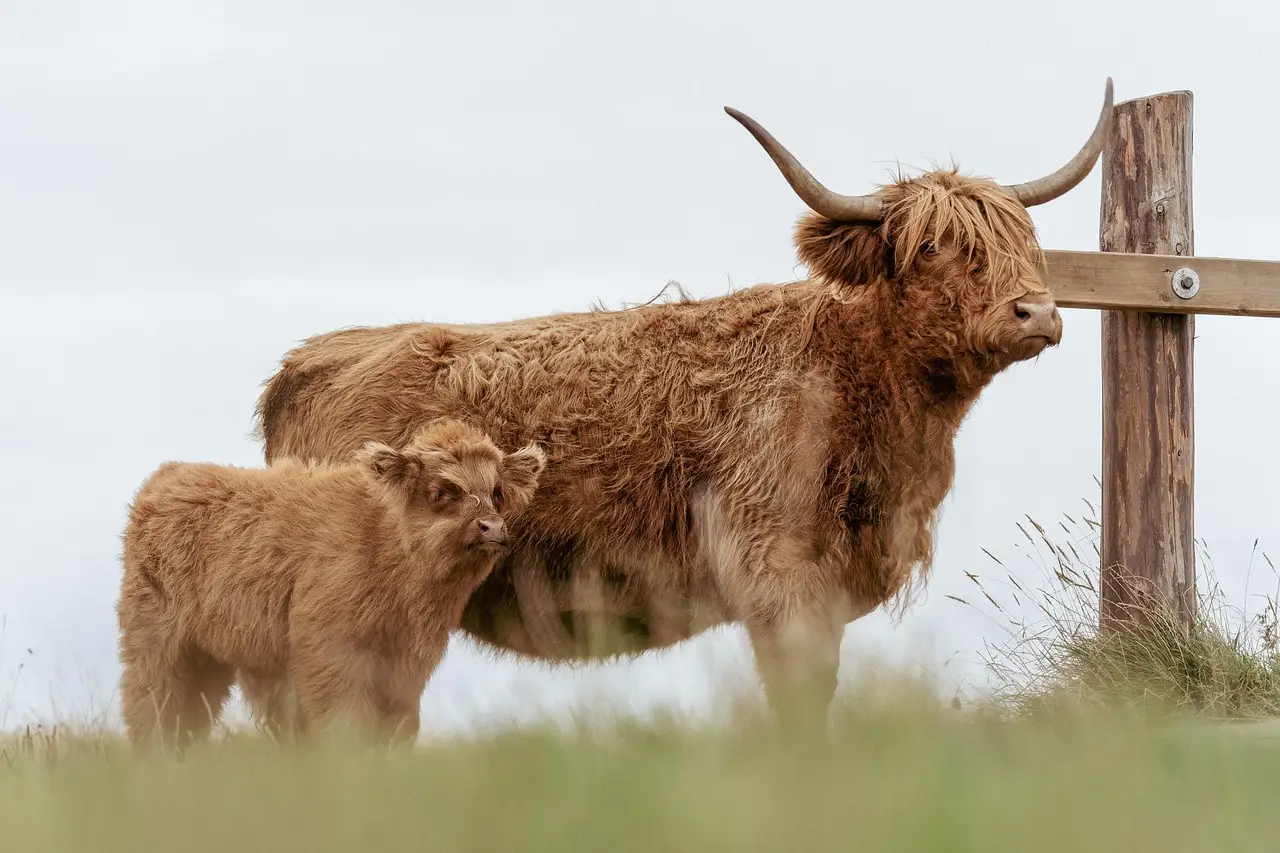
Cattle given shade and water spraying gained 18% more weight per day and improved their feeding efficiency by 12% compared to uncooled animals. That is the headline number from two new South African studies, published in Frontiers in Sustainable Food Systems, and it arrives with a deadline attached: the super El Niño starts this December, right at the beginning of the summer rainy season.
The stakes are large and specific. In South Africa, more than 2 million smallholder households live off agriculture, and roughly 613,000 of those families own cattle. Together they care for about 40% of the national herd — somewhere between 12.1 million and 14.4 million animals — on shared rural rangelands.
What does El Niño actually do to a village herd?
Plenty, and none of it good. Heat speeds up evaporation, dries out soil, and can empty the small shared dams farmers depend on. Without rain, grass loses nutritional value. Cattle, sheep and goats exposed to extreme heat spend their energy panting and sweating instead of growing or producing milk.
The researchers describe a damaging chain reaction. Animals crowd under scarce tree shade during peak daylight instead of grazing, so they eat less. They lose body condition, and their market value plummets. Then desperate farmers, fearing total asset loss, rush weakened animals to local auctions at the same time. The oversupply collapses prices. A poverty trap, closed and locked.
Past drought responses don't scale, the authors argue. During earlier crises, government and humanitarian groups delivered emergency feed only after cattle began starving. It was slow, costly, and missed people. Animals died anyway.
How would communal feedlots work?
A communal feedlot is a shared, managed enclosure where farmers bring livestock during climate shocks for feed, water, shade and veterinary care. The researchers' proposal: provincial agricultural departments and farming cooperatives pool funds now, buy cattle feed in bulk, and retrofit existing village kraals — open-air livestock enclosures — with shade cloth and water tanks.
The animals would eat a mix of bulk-purchased commercial feed, state-subsidized fodder, and crop residues: the leftover leaves and stalks from harvested fields. The authors call it a low-cost transition that can be fully operational within weeks.
This is not purely theoretical. During South Africa's severe 2015–2019 droughts, state-backed custom feeding programs in the Eastern Cape let communal farmers house and fatten cattle in shared enclosures for a subsidized fee. The Transkei Feed Kraal in Centane, a hybrid commercial joint venture jointly owned by community leadership and private enterprise, ran as a formal feedlot and cattle-trading facility serving communal farmers. Zimbabwe, for its part, has already set up hundreds of "drought mitigation centers" to feed and water its 2.2 million cattle ahead of the super El Niño.
Do community feedlots beat commercial ones?
Not on raw efficiency, and the researchers don't pretend otherwise. Large commercial feedlots turn a kilogram (2.2 pounds) of food into meat more efficiently, thanks to automated feeding systems, computerized climate tracking and concrete handling pens. That was no surprise to the team.
But community-run feedlots won on two counts the study values: coping with drought and involving local farmers. Field research at the Gxwalibomvu Custom Feeding scheme in Tsomo and the Transkei Feed Kraal in Centane found these hubs act as a safety net by achieving two goals at once:
- Giving pastures a break. Moving cattle off open rangelands relieves pressure on fragile grasslands, prevents soil erosion, and lets the veld recover when rains return.
- Protecting market value. Collective feeding lets farmers pool resources, buy bulk feed, fatten cattle together, bypass predatory middlemen, and sell directly to commercial slaughterhouses at premium prices.
The cooling data carries biological backing too. Blood tests showed cooled cattle had much lower stress hormone levels, protecting their immune systems. The animals rested and ate more because they wasted less energy staying cool.
One caveat the authors themselves flag through their findings: breed matters. Indigenous cattle, like the local Nguni, handled heat far better than imported European breeds. Locally adapted livestock, they conclude, is essential for long-term climate survival — a point worth noting for anyone still betting on exotic genetics in a warming region.
What needs to happen next?
The researchers lay out four steps for South Africa:
- Train agricultural advisers in microclimate pen design — improving airflow and minimizing heat buildup in kraals. The Agricultural Research Council's Kaonofatso ya Dikgomo scheme already offers science-supported services to smallholders and could do this work.
- Train farmers in animal nutrition and the temperature-humidity index, a simple tool combining air temperature and relative humidity to gauge the heat stress an animal actually feels.
- Prioritize government funding for shared solar-powered boreholes, gravity-fed water systems and shade nets.
- Introduce index insurance, which pays out automatically when local temperatures rise too high or grazing falls below a set level — giving farmers money to buy feed before prices climb.
The studies are researchers' own fieldwork, published in a single journal, and the 18% figure comes from their trials rather than an independent replication. Still, the deadline is not hypothetical. December is coming, and so is the heat.
via phys.org/rss-feed/ (Source)
More from James Calloway
Show full bio
Staff writer covering regulation, policy and their impact on general science news at SciBeat.
584 articles
Nearby plates
- Northern Australia’s British cattle may face 195 dangerous heat days
- Locally Trained AI on Gut Microbe Data Could Shield African Livestock From Heat
- Researchers Warn 2026–27 Super El Niño Could Hit Food and Health
- Tree-rich landscapes help birds and bats nearly double Peru's cacao yields
- Humpback Whale Calves Nearly Vanish From 2026 Migration