Recorded November 22, 2026
Chemistry & MaterialsReported finding
Paper circuit boards reach four layers in electronics waste effort
European researchers built double-sided, four-layer circuit boards from paper composites and ink containing recycled silver, aiming to make short-lived electronics easier to recycle.
By Marcus Bennett4 min read719 words
In brief
- CircEl-Paper produced double-sided circuit boards with as many as four layers.
- One conductive printing ink contained recycled silver.
- Researchers tested methods for manufacturing circuits on rolls of paper.
- The prototypes covered glucose sensing, product-temperature monitoring and recorded-message playback.
- Durability, moisture resistance, manufacturing cost and conductive-material impacts remain open questions.
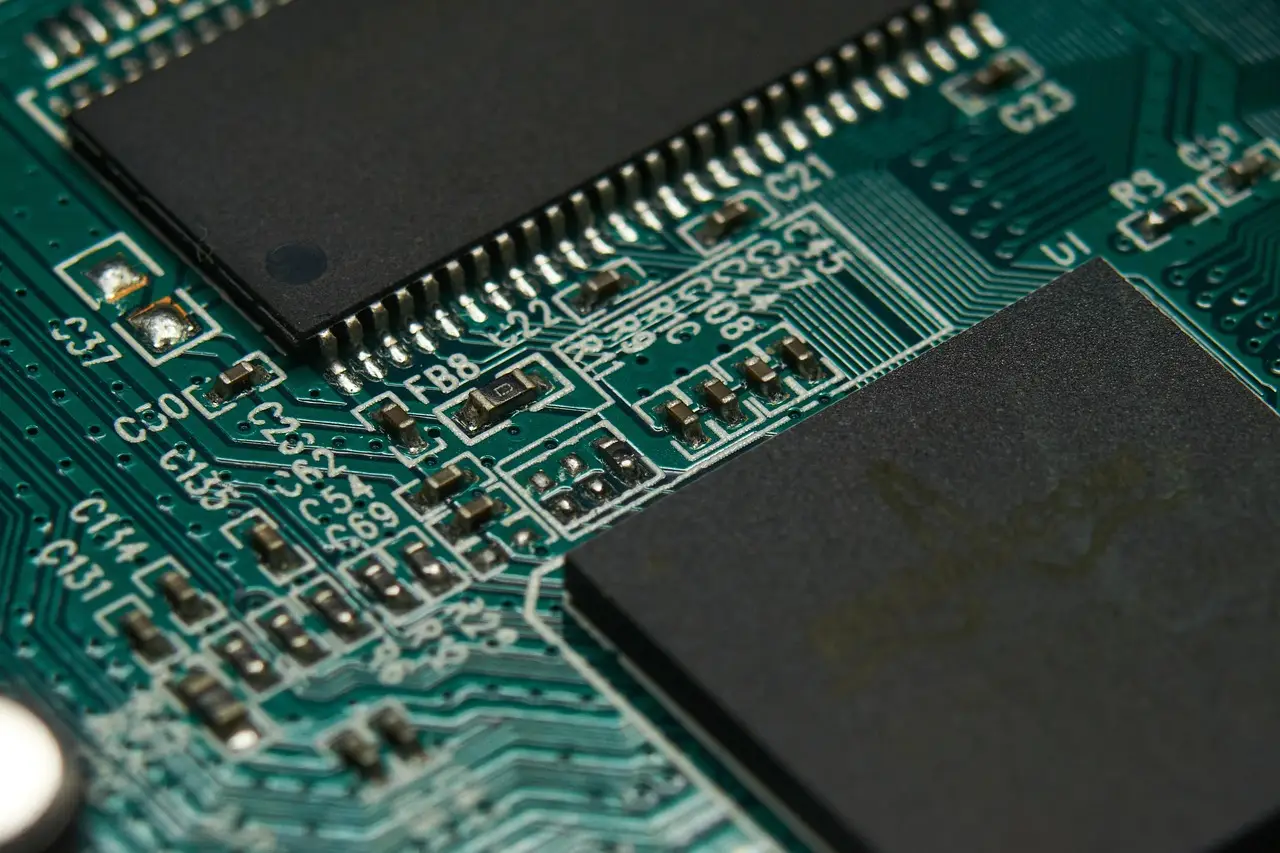
European researchers have built working circuit boards made partly from paper, with connections on both sides and designs containing as many as four circuit layers. The demonstration shows that this material can support more than the simplest printed electronics.
The Fraunhofer Institute for Silicate Research (ISC), which coordinated the work through its CircEl-Paper project, said the boards could be “easier to separate and process at the end of their useful lives.”
What did the researchers actually build?
Circuit boards sit inside almost every modern gadget. Conventional boards typically mix glass fibers, which add strength, with plastic resin, which holds the layers together. This construction makes them durable, but it also bonds the materials so tightly that recycling becomes difficult. Rising product sales and discards make that separation problem increasingly urgent.
The team explored paper composites as a replacement for the conventional board base. A composite combines two or more materials; the experimental boards therefore contained paper plus other substances rather than acting as pure paper.
The finished designs included:
- Electrical connections printed on both sides.
- Circuit patterns with as many as four layers.
- Connections linking separate layers.
- Attached electronic components.
A circuit layer is a sheet carrying electrical paths. Linking layers lets power or signals pass between them, while mounted components provide functions such as sensing or sound playback.
Researchers also developed conductive printing inks, including one containing recycled silver. Conductive means able to carry an electric current. They tested ways to manufacture circuits on rolls of paper.
Takeaway: The demonstration reached multilayer, double-sided electronics with mounted components, rather than stopping at simple printed lines.
Where could paper electronics matter most?\n
The team built examples for uses that may end after a short service life:
- A printed glucose sensor.
- A temperature-monitoring device for products in storage or transport.
- A foldable sound card that could play recorded messages.
Replacing a conventional board base, called a substrate, with a paper composite in such products could reduce electronic waste, provided collectors and processors can handle the finished devices effectively.
Takeaway: Short-lived devices offer the clearest early use because their boards are less likely to face years of heat, moisture or heavy use.
How green is a paper board?
Whether the approach reduces environmental harm depends on the full life cycle, meaning every stage from material production to final disposal. Fraunhofer researchers examined recycling methods and environmental impacts alongside technical performance. Their assessment included:
- Producing the conductive inks.
- Attaching chips and other electronic components.
- Transporting finished products.
- Collecting and processing used devices.
All of those stages consume resources. Replacing a difficult-to-recycle substrate can still carry an environmental cost if ink production, component attachment, transport or collection uses substantial resources. Paper is not automatically a greener choice for every electronic device.
Recycled silver in one ink does not settle the issue; the environmental impact of the conductive materials remains an open question.
Takeaway: A paper board improves the environmental case only when the whole product and its disposal route improve, not merely when the board looks recyclable.
What must be tested before wider use?\n
Four practical questions remain unresolved:
- Durability over long service periods.
- Resistance to moisture.
- Manufacturing cost.
- Environmental impact of the conductive materials.
The project account provides no performance figures for these measures, so the demonstration does not establish parity with conventional boards across all consumer electronics. A paper-based board may suit a disposable sensor, while equipment expected to withstand years of heat, moisture or heavy use presents a harder test.
Takeaway: The team showed that the boards work; it has not yet shown that they can meet every long-term demand.
What changes for product designers?
Designers of short-lived sensors and disposable gadgets now have another board material to evaluate. Material selection should follow service life, operating conditions and the available route for recycling. Longer-lived equipment still needs a board built for tougher demands.
Related Fraunhofer reading covers biodegradable circuit boards for greener wireless devices and electronics, possible microplastics from biodegradable electronics, and greener materials for lighting and displays.
Designing products with end-of-life separation in mind could make future gadgets less wasteful.
Bottom line: Paper boards offer a targeted way to reduce electronic waste, but only where short service lives and effective recycling make the trade-off work.
via knowridge.com (Source)
More from Marcus Bennett
Show full bio
News editor covering regulation, policy and their impact on general science news at SciBeat.
584 articles
Nearby plates
- MIT Origami Method Builds Structures 3.5 Times Stiffer With Two-Thirds the Material
- NSF Launches ELEGANT to Move Lab Semiconductors Toward U.S. Factories
- MIT Team Builds Stronger Materials by Copying Nature's Disorder
- EPFL Team Builds a Sunlight-Powered Sheet That Splits Water Into Hydrogen
- MIT Makes Flexible, Transparent Silicon Photonics Chips at Wafer Scale