Recorded November 19, 2026
Space & AstronomyReported finding
Potatoes Grown in Simulated Lunar Soil Match Earth Yields
Oregon State researchers grew potatoes in simulated lunar soil with 30 percent worm-produced compost, matching Earth-soil growth and finding tubers safe and nutritious — a step toward feeding Artemis crews.
By Priya Raman3 min read613 words
In brief
- Potatoes grown in lunar regolith simulant with 30% vermicompost matched Earth-soil growth and yields
- Plants without organic amendment were severely stunted; 5–15% compost gave only partial recovery
- No significant rise in glycoalkaloid toxins; nutritional quality was maintained
- Five simulants representing lunar mare and highland regions were tested, plus soil from Hermiston, Oregon
- A forthcoming paper will evaluate 10 potato varieties for lunar agriculture
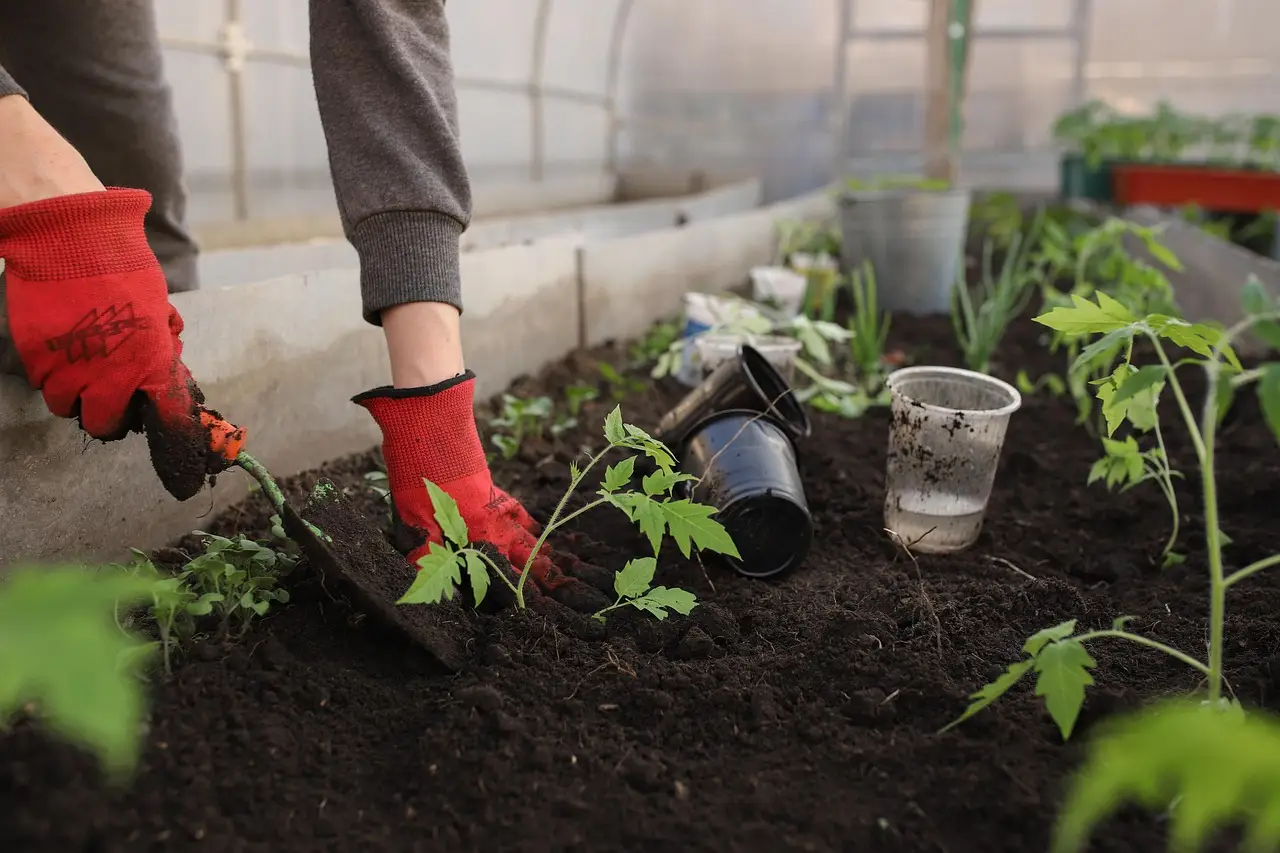
Potatoes grown in simulated lunar soil mixed with 30 percent organic matter matched the growth, yield and food safety of potatoes grown in ordinary Earth soil, researchers at Oregon State University report. The finding, published in the journal npj Microgravity, marks one of the most concrete steps yet toward feeding astronauts on the Moon.
"We found that potatoes can complete their entire life cycle in simulated lunar soil when supplemented with organic matter," said Aymeric Goyer of Oregon State's Department of Botany and Plant Pathology. "That's an important step toward developing reliable food production systems that could support long-term human exploration of the moon."
Why grow food on the Moon at all?
The work supports NASA's Artemis program, which aims to establish a sustained human presence on the Moon. A permanent base cannot depend on resupply flights from Earth; each kilogram launched is costly. The base would instead need to grow its own food.
The central obstacle is lunar regolith — the loose layer of rock and dust covering most of the Moon's surface. Real regolith contains almost no organic matter and carries elevated levels of heavy metals, conditions hostile to plant roots.
How was the experiment run?
Goyer and colleagues tested potatoes in five lunar regolith simulants — stand-in materials that imitate the Moon's surface — amended with varying amounts of vermicompost. Vermicompost is a nutrient-rich organic soil amendment made by using earthworms to break down organic waste.
The five simulants represented both lunar mare regions, the dark plains of ancient lava, and lunar highland regions. As a benchmark, the team also grew potatoes in soil from Hermiston, Oregon, an area that produces the highest potato yields in the world.
The recipe for success proved specific:
- 0 percent vermicompost: plants severely impaired, with stunting and underdeveloped roots
- 5 to 15 percent vermicompost: only partial recovery of growth
- 30 percent vermicompost: growth and development equal to plants in Earth soil
Is the harvest safe to eat?
Regolith's heavy metals raise an obvious worry: if a crop grows, does it carry toxins? The researchers believe the compost itself provides protection. Organic matter binds heavy metals, reducing their ability to damage roots or interfere with growth.
"We believe the compost helps balance some of the toxicity we see in lunar regolith by reducing plant exposure to harmful compounds," said David Handy, a postdoctoral researcher in Goyer's lab.
The tubers also passed a nutrition check. Potatoes grown in the simulants maintained their nutritional quality, and the team measured no statistically significant increase in glycoalkaloids — naturally occurring potato toxins, typically associated with green discoloration beneath the skin.
Why potatoes?
The choice of crop was deliberate. Potatoes produce more calories per unit of land than many crops and offer substantial nutritional value, which makes them a practical staple for long-duration missions. On a lunar base, astronauts would need to bring only a small starter supply of organic matter. Food scraps and plant waste could then be converted into additional vermicompost on site, shrinking dependence on Earth.
The results come with clear limits. The tests used simulants, not actual Moon dust, and the study covered a single crop cycle under controlled conditions. Definitive answers will require growth in real regolith, under the Moon's radiation and gravity.
More evidence is on the way. A forthcoming paper from the same group will report on ten potato varieties grown in lunar regolith simulants, aimed at identifying which types suit future lunar agriculture best.
For now, one comparison stays with the reader: the gap between a stunted, rootless sprout and a full harvest was, in this study, a matter of one ingredient in three.
via phys.org/rss-feed/ (Source)
More from Priya Raman
Show full bio
Senior reporter covering people, launches and day-to-day practice in general science news at SciBeat.
549 articles