Plate Nº 63 · recorded November 17, 2026
Health & Medicine ResearchReported finding
Pregnancy Blood Pressure Problems Still Raise Risk Ten Years Later
Ten years after pregnancy, 56% of women with prior pregnancy-related hypertension disorders had developed hypertension, a 2.4-fold higher risk than unaffected women.
By James Calloway3 min read689 words
In brief
- 56% of women with a pregnancy-related hypertension disorder developed hypertension about ten years later, versus 23.5% without such a history
- Only 39% of women with a previous pregnancy disorder had received a formal hypertension diagnosis
- Over 80% of women with pregnancy hypertension history met stage 1 or 2 hypertension criteria during the study
- The study assessed 135 women and appears in the Journal of the American College of Cardiology
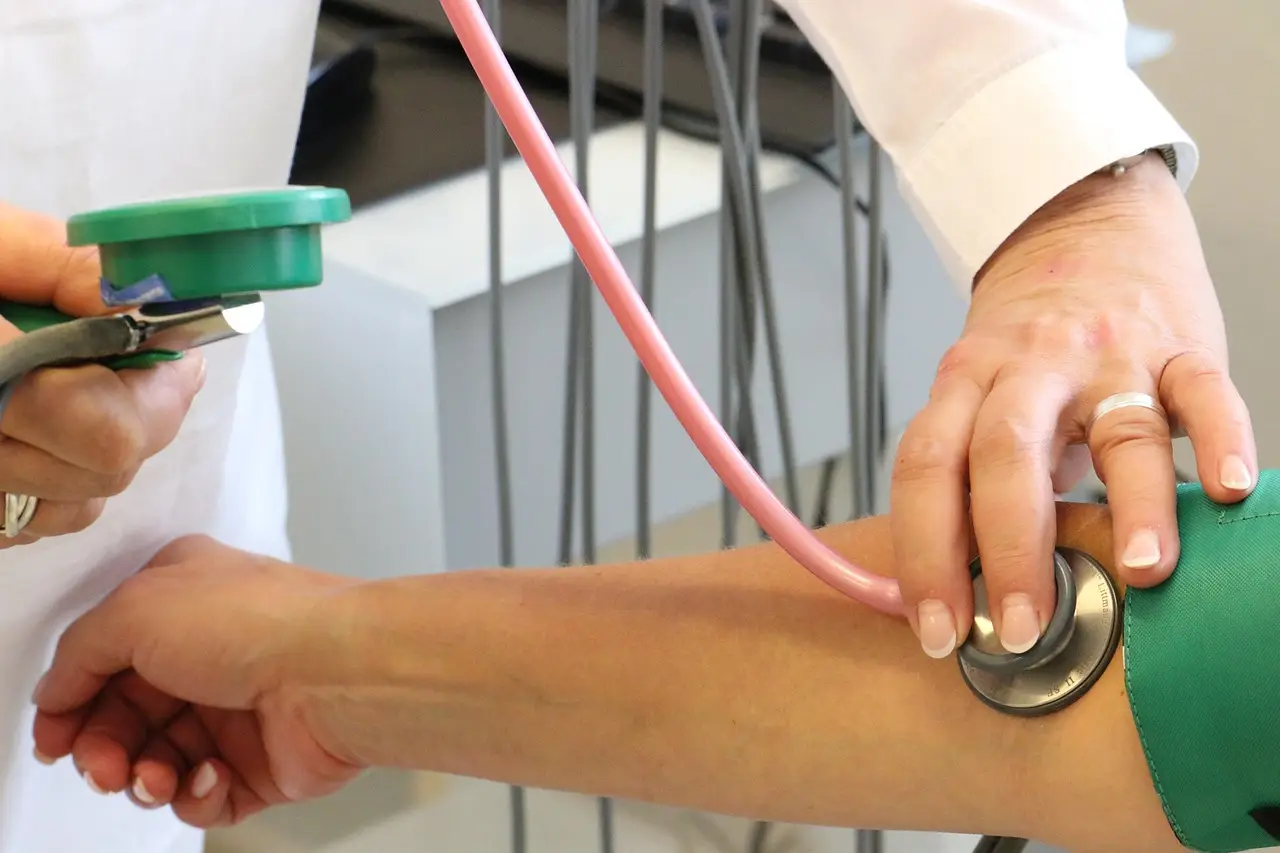
Fifty-six percent of women who had a pregnancy-related blood pressure disorder developed hypertension within roughly ten years, compared with 23.5% of women whose pregnancies were uncomplicated. That is a 2.4-fold difference in risk, and most of the affected women had no idea anything was wrong.
The study, published in the Journal of the American College of Cardiology and drawn from data released by the American College of Cardiology, followed 135 women assessed around a decade after their pregnancies. Eighty-four had experienced gestational hypertension or preeclampsia — conditions in which blood pressure climbs abnormally during pregnancy — while 51 had not. Both conditions can threaten the health of mother and baby at the time, and researchers have long suspected they signal cardiovascular trouble ahead.
The team ran detailed examinations: blood pressure measurements plus tests of heart and blood vessel function. They wanted to know whether a history of pregnancy hypertension leaves measurable marks years later, in women who generally feel fine.
What did the researchers actually find?
The headline result is the risk gap. New hypertension appeared in 56% of the group with a pregnancy-related disorder, against 23.5% of the group without one. Simple arithmetic, big difference.
The more striking finding may be the diagnosis gap. More than 80% of women with a pregnancy hypertension history met the criteria for stage 1 or stage 2 hypertension during the study, as did 60% of women without such a history. Yet among those with a previous pregnancy disorder, only 39% had ever received a formal diagnosis. More than half the affected women were walking around undiagnosed.
There is a straightforward explanation. Blood pressure creeps up gradually, without noticeable symptoms, so people rarely seek help until something breaks. By the time symptoms appear, the damage may already be done.
Notably, the researchers did not find clear differences in the other cardiovascular risk factors they measured, or in early signs of heart and vessel damage. Much of the variation in those measures tracked with current hypertension itself. In plain terms: the pregnancy history mattered mainly because it predicted who would develop high blood pressure later, not because it pointed to independent hidden damage.
What does this change for women who had preeclampsia?
Practically, it changes the conversation. A woman who experienced preeclampsia or gestational hypertension has a concrete reason to raise long-term blood pressure monitoring with her doctor — not just at the six-week postpartum check, but years afterward. Catching hypertension early opens a window for lifestyle changes and treatment before a heart attack or stroke, rather than after.
The framing matters too. A pregnancy complication, on this evidence, is better understood as an early warning sign than an isolated event that ends at delivery.
How far should we trust these numbers?
Here the caveats stack up quickly, and honest coverage demands we say so.
- The study was relatively small: 135 women, 84 of them in the exposed group.
- It cannot determine the best screening schedule for any individual patient.
- It cannot predict which specific patients will be affected — population-level risk is not a personal diagnosis.
- The observational design means the associations, while suggestive, do not by themselves prove causation.
The source material does not specify the women's ages, locations, or how they were recruited, which limits how far the findings generalize. That is worth keeping in mind before treating 56% as a personal probability.
Still, the direction of the evidence is consistent with a broader pattern in cardiovascular research: pregnancy functions as a stress test for the circulatory system, and a failed stress test carries information forward. This study supports treating pregnancy history as a standard part of a woman's long-term cardiovascular risk profile — a question doctors should ask, and patients should volunteer.
The bottom line is modest but real. Regular blood pressure checks after childbirth, continued for years, could identify problems before they cause lasting harm. That is a cheap intervention with a plausible payoff. What this study cannot yet tell us is who should be checked, how often, and starting when — the screening questions future research will need to answer.
via knowridge.com (Source)
More from James Calloway
Show full bio
Staff writer covering regulation, policy and their impact on general science news at SciBeat.
474 articles
Nearby plates
- Nearly 6 in 10 People with Hypertension in England Are Undiagnosed
- Top Blood Pressure Number Under 130 May Protect Aging Hearts
- AI Search Tools Give Unreliable Answers on Blood Pressure Monitor Validation
- An 80-80-80 Blood Pressure Plan Could Prevent Up to 130 Million Deaths
- Aggressive Blood Pressure Targets Show No Clear Heart Benefit in Diabetes Trial