Plate Nº 23 · recorded October 8, 2026
Health & Medicine ResearchReported finding
Price Is Only One Barrier: Study Maps Why Poor Diets Persist in Italy and Poland
A study of 68 food aid users in Italy and Poland finds high prices are just one of many interacting barriers to vitamin- and mineral-rich diets, with refugees facing extra obstacles.
By Priya Raman3 min read599 words
In brief
- The study involved 8 focus groups with 68 beneficiaries of charitable organizations in Trieste, Italy, and Olsztyn, Poland.
- The research was led by EUFIC as part of the EU-funded Zero Hidden Hunger EU project and published in the journal Foods (DOI: 10.3390/foods15193515).
- Barriers were economic, physical, time-related, informational, social, cultural and organizational, and they interacted rather than acting alone.
- Affordability and availability problems were reported most for fruit, vegetables, fish and meat.
- The qualitative pilot study did not measure dietary intake or micronutrient status, so it identifies perceived rather than confirmed deficiencies.
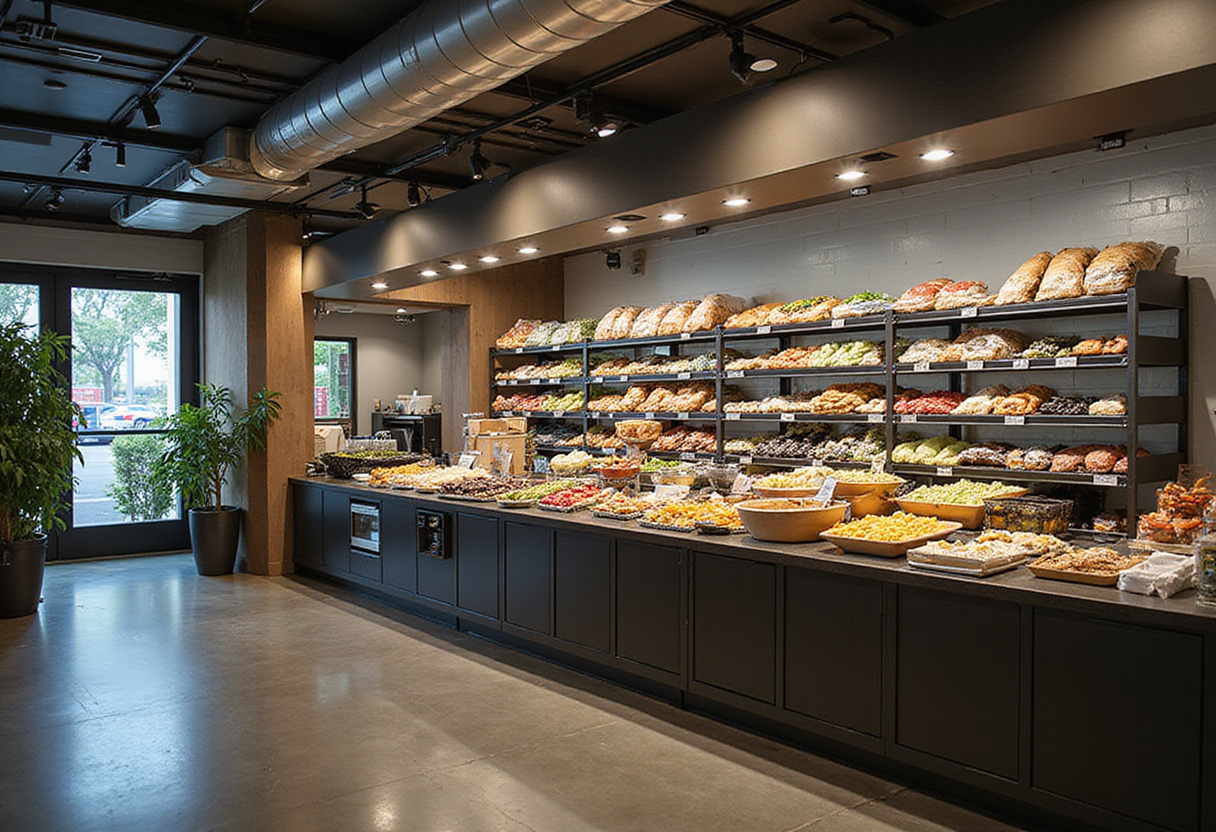
Eight focus groups, 68 participants, one clear message: having enough food does not guarantee a nutritionally adequate diet. A new qualitative study in Italy and Poland finds that poverty blocks vitamin- and mineral-rich eating through many barriers at once — not just high prices.
The research, published in the journal Foods (DOI: 10.3390/foods15193515), was led by the European Food Information Council (EUFIC) as part of the EU-funded Zero Hidden Hunger EU project. Researchers spoke with beneficiaries of charitable organizations in Trieste, Italy, and Olsztyn, Poland, including food assistance recipients, refugees and asylum seekers.
What did participants actually experience?
The study catalogued seven broad categories of obstacles: economic, physical, time-related, informational, social, cultural and organizational. In practice, these meant:
- High food prices competing with other household expenses
- Transportation difficulties and work schedules that limited shopping
- Inadequate cooking or storage facilities
- Limited availability of nutritious items through food assistance
- Concerns about food quality
- Food provision that clashed with cultural preferences
- Difficulty reaching professional nutrition guidance
Crucially, these barriers rarely acted alone. Participants said they preferred to get their vitamins and minerals from foods they saw as fresh, minimally processed, local or culturally appropriate — but tight budgets and limited availability often prevented them from acting on those preferences.
"Socioeconomically disadvantaged people are disproportionately affected by micronutrient deficiencies," said Dr. Katerina Palascha, senior research manager at EUFIC and lead author of the study. "However, very few studies in Europe have explored the reasons behind this."
"Our findings show that multiple barriers interact to compromise access to and consumption of micronutrient-rich foods, particularly when limited resources restrict people's ability to act on their preferences for fresh, minimally processed or culturally appropriate foods," she added.
Do different foods face different obstacles?
Yes, according to the participants. Affordability, availability, accessibility and acceptability problems surfaced most strongly for fruit, vegetables, fish and meat. That pattern suggests disadvantaged groups may confront distinct obstacles depending on which foods they would need to assemble a varied, nutrient-rich diet.
Attitudes toward sources of micronutrients also varied. Participants generally preferred ordinary foods, held predominantly negative views on fortified products, and expressed mixed opinions about supplements.
The two countries showed different emphases. In Italy, participants pointed to problems with charitable food assistance itself: limited availability, poor accessibility and low perceived food quality, plus restricted access to professional advice about micronutrients. In Poland, participants instead highlighted the struggle to find affordable, high-quality foods in ordinary shops and to make sense of nutrition information.
What extra challenges did refugees face?
For refugees and asylum seekers, displacement added another layer. They reported limited financial and food assistance, restrictions on using kitchens in temporary housing, food supplies that ignored cultural preferences, unfamiliar health care systems, and mental health strain linked to displacement and war.
What are the study's limits?
The research is qualitative and preliminary. It did not measure anyone's dietary intake or micronutrient status, so it cannot establish whether individual participants actually had inadequate intakes or deficiencies. What it identifies are perceived barriers — conditions that may raise vulnerability to poor micronutrient intake, not confirmed cases of it.
What should change?
The findings argue against relying on information campaigns alone, which the researchers say are unlikely to remove barriers rooted in cost, infrastructure and culture. Instead, they call for context-sensitive responses spanning food assistance, social protection, public health, organizational food provision and nutrition communication.
The study appears as part of the Zero Hidden Hunger EU project, which targets micronutrient deficiencies across Europe — a problem that, as this research shows, begins long before food reaches the plate.
via Medical Xpress (Source)
More from Priya Raman
Show full bio
Senior reporter covering industry trends and analytics at SciBeat.
60 articles
Nearby plates
- Very Low Carb Diets Show Health Benefits in Children with Type 1 Diabetes
- Heart-Healthy Eating Shifts Focus from Nutrients to Whole Diet
- Two-Year Trial Finds Diet Drinks Match Water for Weight Management
- 392 Million Records: New Database Maps Europe's Changing Food Risks
- Diet and Exercise Reverse Early-Onset Type 2 Diabetes in Half of Cases