Recorded November 25, 2026
Earth & ClimateReported finding
Prospector Unearths 1.2 kg Gold Nugget Worth A$150,000 in Outback NSW
An anonymous prospector dug a 1.2 kg nugget worth A$150,000 from NSW red dirt. Scientists say quartz, earthquakes and nanoparticles may explain how nature makes gold chunks that big.
By Nathan Brooks3 min read683 words
In brief
- A nugget weighing 1.218 kg, containing about 940 g of pure gold, was found near Tibooburra, NSW in October 2026.
- The find is worth around A$150,000, potentially A$200,000 to a collector.
- A Broken Hill equipment dealer has seen only one other nugget over 1 kg in more than 20 years.
- A 2024 Nature Geoscience study showed stressed quartz can electrically attract gold, growing nuggets.
- Some gold-source rocks contain only 3-4 grams of gold per 1,000 tons of rock.
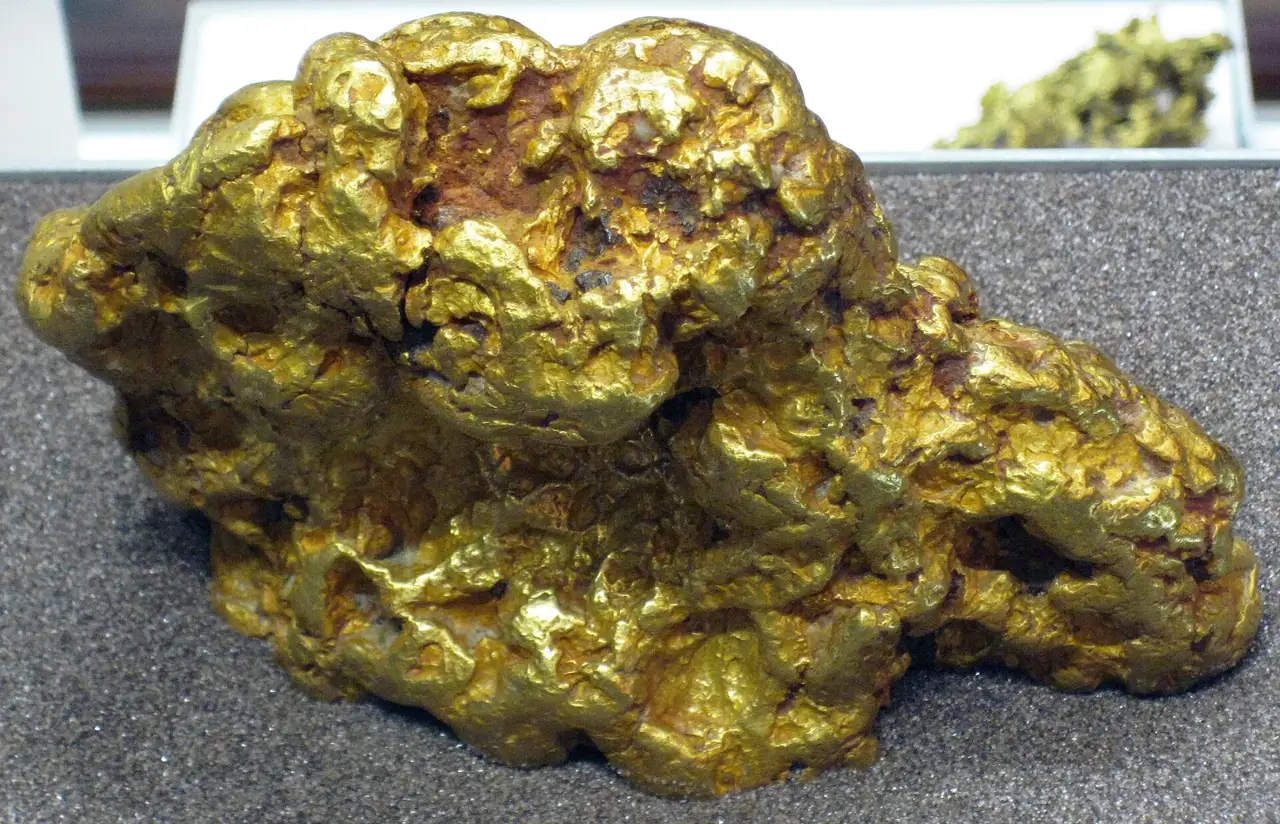
An amateur prospector pulled a 1.218-kilogram (2.69-pound) gold nugget from red dirt near Tibooburra, a remote town in northwestern New South Wales — a find worth around A$150,000 ($100,000), and possibly A$200,000 to the right collector.
The finder, who wants to stay anonymous, spent several days in October 2026 searching Mount Stuart station before his metal detector caught a faint signal. The nugget, nicknamed the "Tibooburra Spud," contains roughly 940 grams of pure gold.
"It might have been on the first or second scrape I just seen this bright yellow dot in the centre of the hole," he told ABC News.
How rare is a one-kilo nugget?
Rare enough that one local dealer has seen only one other. Greg Spangler, who has sold prospecting gear in Broken Hill for more than two decades, has encountered just a single nugget heavier than a kilogram in that time.
Rising gold prices have drawn more Australians into prospecting, and modern detectors let hobbyists find buried nuggets without digging up large areas. Even so, most trips turn up rusty nails, spent bullets and other scrap.
The scarcity has a geological reason: gold is scattered through Earth's crust in vanishingly small amounts. Some rocks feeding underground deposits hold just three or four grams of gold per thousand tons of rock — about the weight of a paperclip spread across 50 loaded dump trucks.
How does nature build a giant nugget?
A recent review in Earth-Science Reviews tackles that question. Rory McNab of Monash University and his colleagues examined how exceptionally gold-rich deposits form, especially those tied to tectonic activity and mountain building.
The first step is a hot-water delivery system. Deep underground, heat and pressure squeeze water and other compounds out of rocks. Those fluids dissolve gold from surrounding rock, with sulfur compounds keeping the metal in solution. Faults and fractures then channel huge volumes of this gold-bearing fluid into small spaces, like underground plumbing.
When pressure, temperature or chemistry shifts, the gold drops out of the solution. Earthquakes can reopen fractures again and again, letting fresh gold-rich fluid flow through.
Why nuggets instead of dust?
That mechanism still doesn't explain why gold sometimes gathers into massive lumps rather than countless microscopic grains. One intriguing answer is electricity.
Quartz, the white mineral often found next to gold, is piezoelectric: under mechanical stress, it generates a voltage — the same effect that keeps quartz watches ticking.
In a 2024 study in Nature Geoscience, Australian researchers submerged quartz crystals in gold-bearing solutions and stressed them repeatedly, mimicking earthquakes. Gold accumulated on the quartz. More importantly, gold particles already present became preferred landing sites for more gold, because gold conducts electricity exceptionally well. Successive quakes could effectively gold-plate existing grains, building them into ever-larger nuggets.
Nanoparticles, molten droplets and crystal flaws
Other processes can help, too:
- Nanoparticles: Gold can travel through underground fluids as tiny solid particles, not just dissolved atoms, letting fluids carry far more gold than chemistry alone would allow. A 2021 study of an exceptionally rich deposit in British Columbia, Canada, found evidence these microscopic particles had clumped together, possibly explaining the site's richness.
- Molten metal droplets: Tiny droplets of bismuth-rich molten metal can strip gold out of passing fluids.
- Deformation and flaws: Geological stress can fracture minerals, freeing trapped gold to accumulate elsewhere. Even microscopic imperfections inside crystals can act as migration pathways for the metal.
The review's authors argue several of these mechanisms likely operate together, with repeated episodes of geological activity progressively upgrading an ordinary deposit into an extraordinary one.
Once erosion exposes such deposits, surrounding rock breaks down and releases nuggets into soils and river sediments. Gold resists chemical weathering, so it can outlast nearly all of its host rock.
Was the Spud built by earthquakes?
Nobody knows. Researchers didn't examine the Tibooburra nugget, so exactly which processes assembled it remains an open question. But while its finder spent days hunting his fortune, nature may have spent millions of years putting it together.
via zmescience.com (Source)
More from Nathan Brooks
Show full bio
Market editor covering companies, deals and strategy in general science news at SciBeat.
605 articles
Nearby plates
- MIT Model Predicts Asteroid Mining Will Slash Platinum Prices 75%
- Eagles May Have Preyed on 58-Pound Baboons — and Human Ancestors
- JWST's Little Red Dots May Be Black Holes Growing Faster Than Today's
- Pentagon Turns 30 Million Tons of Red Mud Into a Gallium Source
- Tin deposits come from source rocks, not cooling, study finds