Recorded November 22, 2026
Space & AstronomyReported finding
Scientists Call for Moratorium on Moon Mining Before It Becomes the Wild West
Researchers in Lithuania and the Netherlands call for a temporary ban on lunar industrialization, warning that a China-U.S. mining race could permanently destroy the moon's scientific record.
By Marcus Bennett3 min read502 words
In brief
- Researchers published a call for a lunar industrialization moratorium in Global Environmental Politics in the month before publication
- China and the U.S. plan permanent lunar settlements by the end of the next decade
- The UN's 1967 Outer Space Treaty bars nations from appropriating the moon
- Targets of lunar mining include water, construction materials, industrial metals and rare earth minerals
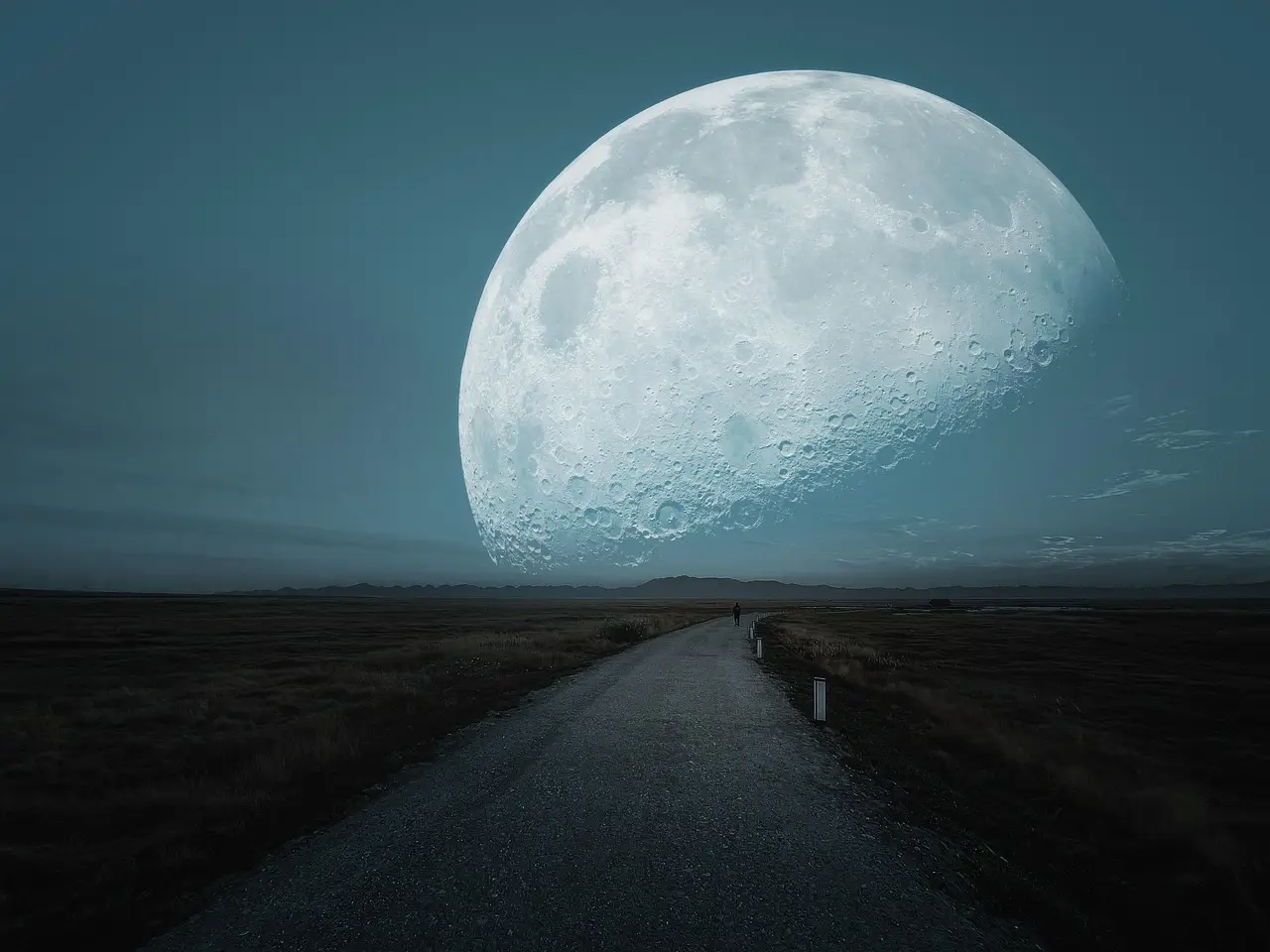
Two researchers are calling for a temporary moratorium on industrial exploitation of the moon, warning that a lunar gold rush could irreversibly damage the lunar environment and destroy scientifically priceless material before international rules catch up.
Florian Rabitz, a professor of climate and technology governance at Vilnius University in Lithuania, and Xiao-Shan Yap, an assistant professor of Earth-space sustainability at Utrecht University in the Netherlands, made their case last month in the journal Global Environmental Politics. They argue for "robust international regulations" and "broad and inclusive deliberation" so the global community can carefully weigh the impact of economic activities on the moon.
Why the rush is happening now
China and the United States both aim to establish permanent human settlements on the moon by the end of the next decade. Commercial players want to build businesses supporting those future explorers by mining lunar resources, including:
- water
- construction materials
- industrial metals
- rare earth minerals
That combination of state programs and commercial mining is what the researchers fear could outrun governance. Their proposed fix is a temporary ban on lunar industrialization — a pause that would let regulators decide what to allow and prevent a free-for-all from destroying the pristine lunar environment.
What is at risk scientifically?
The moon's untouched surface holds valuable scientific material. Rapid development, the researchers argue, could obscure or destroy that record permanently — a loss they describe as irreversible environmental damage. In plain terms: once industry scars the lunar landscape, the science buried in it may be gone for good.
The stakes extend beyond research. Rabitz and Yap also object to the colonization of the moon by a small number of powerful players — namely China, the United States, and their respective close allies.
Does existing law protect the moon?
Partly. The United Nations' 1967 Outer Space Treaty prevents individual nations from appropriating the moon. But Rabitz argues the treaty's protection is thinner than it looks in practice.
"With the moon it's absolutely clear that whoever is doing the big infrastructure work is going to be asserting their position, including by defining their own exclusive territories," Rabitz said in a statement. "That shouldn't be the Wild West."
His point is about precedent. Even if no nation legally owns the moon, Earth's natural satellite and its resources are unlikely to remain genuinely neutral territory if exploitation is led by a small club of powerful nations. Whoever builds first effectively sets the rules on the ground.
What would the moratorium change?
The researchers' proposal is not a permanent ban. It is a pause — time for international regulations to be written and for a broad, inclusive deliberation that includes more than the two spacefaring superpowers and their allies. The alternative, in their view, is a moon settled and strip-mined before most of the world has any say in how it happens.
The debate now falls to policymakers: regulate the lunar economy before the first shovels hit the regolith, or clean up the legal vacuum afterward.
via space.com (Source)
More from Marcus Bennett
Show full bio
News editor covering regulation, policy and their impact on general science news at SciBeat.
584 articles
Nearby plates
- Scholars Call for a Moratorium on Lunar Industrialization
- Scientists Call for a Moratorium Before Lunar Industry Takes Off
- NASA Picks Three Missions to Find Caves, Ice and Hazards for First Moon Base
- NASA Picks Three New Payload Suites to Scout Its Future Moon Base
- Chip-Making Plasma Tech Pulls Oxygen From Fake Moon Soil