Plate Nº 45 · recorded October 10, 2026
Health & Medicine ResearchReported finding
Splitting Radiation Into Several Doses Cuts Brain Cancer Recurrence
A Mayo-led randomized trial of 242 patients found fractionated radiosurgery after brain metastasis surgery cut recurrence and was linked to a 31% lower risk of death.
By Marcus Bennett4 min read814 words
In brief
- The trial enrolled 242 patients with one to four brain metastases, followed for a median of four years.
- One-year freedom from surgical-site recurrence was 87% with fractionated radiosurgery versus 81% with a single treatment.
- Median overall survival was 29 months with fractionated treatment versus 20 months with single-fraction radiosurgery.
- Fractionated treatment was associated with a 31% lower risk of death, with no difference in side effects.
- Results were presented at the 2026 ASTRO Annual Meeting in Boston.
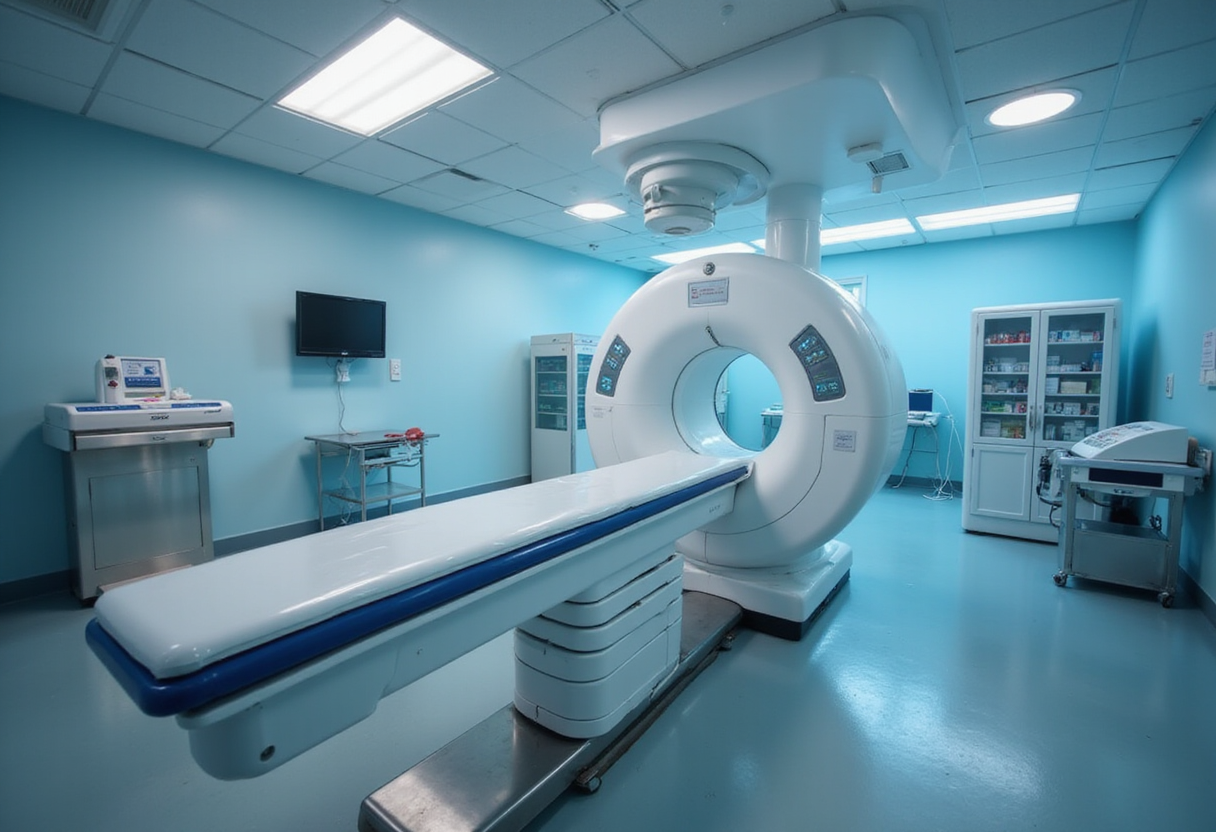
Patients who received radiation in several smaller doses after surgery for brain metastases had a 31% lower risk of death than those treated in a single session, according to a multicenter clinical trial led by Mayo Clinic researchers. The findings, presented at the 2026 American Society for Radiation Oncology (ASTRO) Annual Meeting in Boston, could change how radiation oncologists treat these tumors.
The trial compared two ways of delivering stereotactic radiosurgery after surgeons remove metastatic brain tumors — cancers that have spread to the brain from elsewhere in the body. In the standard approach, a patient receives the full radiation dose in one treatment. In the alternative, called fractionated stereotactic radiosurgery, doctors divide the dose across three or five sessions.
The results favored the divided approach on nearly every measure that matters to patients.
What did the trial find?
The study enrolled 242 patients, each with one to four brain metastases. Every participant had at least one tumor larger than 2 centimeters (about 0.8 inches) that had been surgically removed. Researchers randomly assigned patients to either a single radiation treatment or the fractionated schedule, and followed them for a median of four years.
The key numbers:
- Local control: One year after treatment, 87% of patients in the fractionated group had no recurrence at the surgical site, compared with 81% in the single-treatment group.
- Survival: Median overall survival reached 29 months with fractionated treatment versus 20 months with a single session.
- Risk of death: The fractionated schedule was associated with a 31% lower risk of death.
- Safety: Researchers found no difference in side effects or complications between the two approaches.
Fractionated treatment also controlled brain metastases that had not been surgically removed somewhat better, although that particular result was not statistically significant — meaning the difference could still be due to chance.
Why would splitting the dose help?
Stereotactic radiosurgery, despite its name, involves no cutting. It uses 3D imaging to aim high doses of radiation precisely at a tumor while limiting exposure to surrounding healthy tissue. Radiation oncologists commonly use it to treat brain metastases after surgery.
The problem is what surgery leaves behind. Even after a surgeon removes a visible tumor, microscopic cancer cells can remain at the site.
"We see high recurrence rates in patients with brain metastases because the challenge is eliminating microscopic cancer cells left behind after surgery without exposing too much healthy brain tissue to high doses of radiation," says Paul D. Brown, M.D., a radiation oncologist at Mayo Clinic Comprehensive Cancer Center and co-principal investigator of the study.
The recurrence numbers illustrate the scale of the problem: about 30% to 40% of patients experience the cancer returning at the surgical site despite treatment with single-fraction radiosurgery.
Fractionation changes the biology of the exchange. Dividing radiation into multiple treatments lets clinicians deliver a higher total dose overall. Between sessions, healthy tissue gets time to recover. Tumor cells lack the same repair capacity, so they accumulate more damage.
Previous retrospective studies — analyses of past patient data — had suggested fractionated radiosurgery works well. But the approach had never been validated in a randomized clinical trial, the gold standard for comparing treatments. This trial supplies that evidence.
Why did patients live longer?
The survival advantage caught the researchers off guard. The trial was designed primarily to measure whether fractionated treatment reduced recurrence, not whether it extended life.
"The survival benefit was an unexpected finding, and while the exact mechanism remains unclear, we suspect that advances in systemic therapies over the past decade may be interacting with better control of disease within the brain, and overall, better outcomes for patients," Brown says.
That explanation remains a hypothesis, not a proven mechanism. Researchers will likely need further work to confirm why patients lived longer.
What does this mean for patients?
The trial results are strong enough, in the researchers' view, to change standard practice.
"The study findings give us the evidence necessary to transform clinical practice. We can now offer patients a treatment that controls their disease and is associated with improved survival," Brown says.
Robert Mutter, M.D., chair of research in the Department of Radiation Oncology and co-leader of the Novel Therapeutics and Therapeutic Modalities Research Program at Mayo Clinic Comprehensive Cancer Center, called the work "a practice-changing clinical trial in our field, demonstrating that fractionated radiosurgery not only reduces recurrence after surgery for large brain metastases but may also improve overall survival."
For patients, the practical change is modest in burden but potentially large in consequence: instead of one visit to the radiation suite, three to five visits — with no added side effects detected in the trial, better control of the tumor site, and months of additional median survival.
The study was presented as LBA 01 — the Alliance A071801 Phase III trial comparing postoperative single-fraction stereotactic radiosurgery with fractionated stereotactic radiosurgery for resected brain metastasis.
via Medical Xpress (Source)
More from Marcus Bennett
Nearby plates
- Radioactive 'Tiles' Cut Brain Tumor Recurrence to 1.3% in Phase III Trial
- Focused Brain Radiation Eases Severe Depression in Small Trial
- Nanoparticles flag and destroy hidden glioblastoma cells in mice
- Neck lymph node removal tied to elevated cognitive decline risk
- Aspirin Falls Short in Preventing Liver Metastasis Recurrence