Recorded November 23, 2026
Earth & ClimateReported finding
Super El Niño Threatens Africa's Heat Crisis Before Late 2026 Peak
A super El Niño peaking in late 2026 could expose millions of Africans to dangerous heat. New research shows heat stress hours rose 2–25 percentage points over 50 years, with the sharpest spike in the Sahel.
By Nathan Brooks4 min read739 words
In brief
- Heat stress hours in Africa's hottest three months rose 2–25 percentage points between 1974 and 2023.
- Over 60% of urban populations in West and Central Africa could face strong or extreme heat stress by 2100.
- Episodes of extreme heat stress lasting 3–8 days doubled in some locations over 50 years.
- The super El Niño is expected to strengthen toward late 2026 and persist into early 2027.
- The sharpest increases in heat stress occurred in the Sahel.
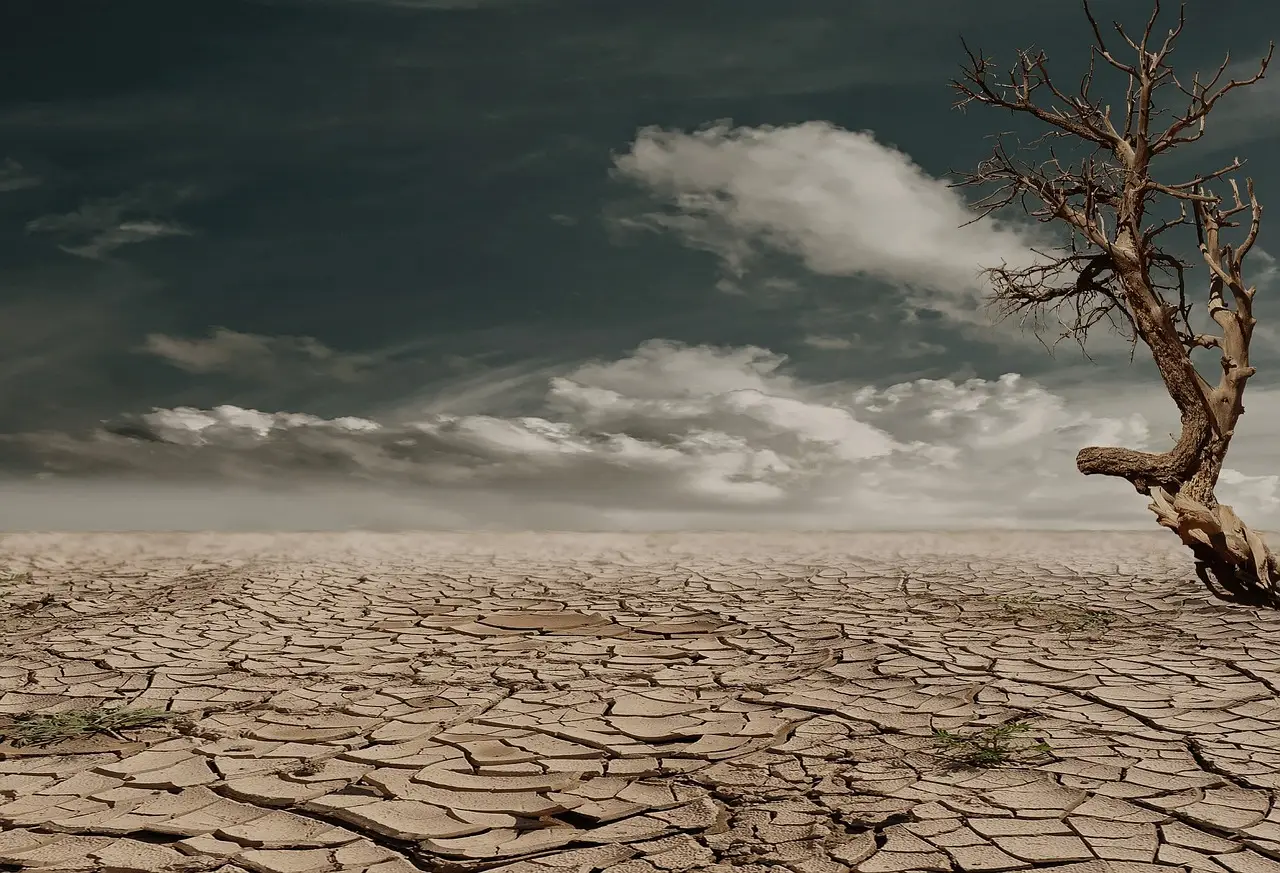
The share of hours Africans spend under strong or extreme heat stress during the hottest three months of the year has risen by 2 to 25 percentage points over five decades, according to new research — and a super El Niño now forming in the Pacific could push that exposure even higher when it peaks toward the end of 2026.
The climate event is expected to strengthen through late 2026 and persist into early 2027, intensifying dangerous heat and severe drought across parts of Africa. The likely consequences: more heat-related illness and deaths, worsening water shortages, and greater disruption to electricity, food supplies and essential services.
El Niño affects weather patterns worldwide, so these risks aren't unique to Africa. But they could hit the continent especially hard, because high exposure to extreme heat coincides with limited access to reliable water, electricity and health care in many regions.
The findings come from a team of hydroclimate and health scientists studying heat waves, heat stress and human exposure across Africa. The researchers used a multi-model ensemble — a set of bias-corrected climate projections combined to assess future conditions — plus a continent-wide study of heat stress conditions between 1974 and 2023.
What did the researchers measure?
The team calculated the proportion of hours during the three hottest months of each year in which people experienced strong and extreme heat stress. Heat stress occurs when temperature, humidity, wind and sunlight together make it hard for the body to cool itself — air temperature alone doesn't determine the danger.
High humidity, direct sun and still air all raise the risk. Older people, infants, pregnant women, people with chronic illnesses and outdoor workers are especially vulnerable. Poorly ventilated homes and limited electricity, fans or air conditioning can keep people dangerously hot even at night.
One of the team's studies focused on heat waves and urban populations across nine African regions. It projects that, by the end of the century, more than 60% of urban populations in West and Central Africa could face strong or extreme heat stress — some of the highest levels on the continent.
How has heat stress already changed?
Between 1974 and 2023, very strong and extreme heat stress became more frequent, more persistent and more widespread across Africa. In some locations, episodes of extreme heat stress lasting three to five days and six to eight days doubled over that period.
Heat stress also lasted several hours a day, keeping people under strain for prolonged periods. The sharpest increases occurred in the Sahel, the semi-arid belt stretching across northern Africa.
The researchers caution that these historical findings don't directly predict how many deaths the current El Niño will cause. They do, however, frame the conditions into which the event is now developing — on top of a climate system already warmed by decades of greenhouse gas emissions.
Extreme heat can cause dehydration, heat exhaustion, organ damage and death, while increasing ambulance calls and emergency department visits. Doctors may record an underlying illness as the cause of death, missing heat's role. Where health surveillance and death registration are weak, more cases go uncounted — heat can trigger a public health crisis without leaving the visible damage of a flood or wildfire.
What can governments do before it peaks?
Unlike an earthquake, El Niño can be monitored months in advance, and the window for action is narrowing. The team recommends:
- Joint heat-health warnings from meteorological agencies and health ministries, explaining who is most vulnerable, which symptoms need urgent attention, and where to find help.
- Hospital and clinic heat-response plans, including reliable water, backup electricity, shaded waiting areas, adequate ventilation, and supplies for treating dehydration and heat illness.
- Adjusted school and outdoor working hours when severe heat is forecast; schools, community halls and places of worship could serve as temporary cooling spaces if they have water, ventilation and reliable power.
- Practical public support, including drinking water access, shaded rest areas and protections for outdoor workers.
- Better recording of heat-related illness and deaths, so authorities can identify the true burden and target interventions effectively.
City planners can also add shade and create cool public spaces, while clinics prepare to treat more heat illness, especially in crowded neighborhoods with little shade.
The researchers' bottom line: climate warnings must trigger practical action and funding before conditions turn catastrophic. With the right preparations, many heat-related illnesses and deaths could be prevented.
via phys.org/rss-feed/ (Source)
More from Nathan Brooks
Show full bio
Market editor covering companies, deals and strategy in general science news at SciBeat.
580 articles
Nearby plates
- UN Declares Climate Change a Global Health Crisis of Pandemic Scale
- Earth Logs Its Most Anomalously Hot Day Ever: 2.12°C Above Preindustrial
- Researchers Warn 2026–27 Super El Niño Could Hit Food and Health
- NOAA Puts Odds of a Strong El Niño at 83% — and Two Systems May Fail Together
- Strong El Niño could push 2027 global temperatures to a record