Recorded November 19, 2026
Biology & EvolutionReported finding
Switching off ULK1 doubled output of hard-to-make drug target
A KTH-AstraZeneca study found that disabling ULK1 increased production of three difficult membrane proteins by 30%, 80% and 100%, potentially easing a major drug-discovery bottleneck.
By Elena Vasquez3 min read631 words
In brief
- GIPR, GPR75 and P2X3 output rose 30%, 80% and 100%, respectively, after ULK1 was disabled.
- Membrane proteins are targets of about 60% of approved medicines.
- The 2026 Cell Systems study reported no harm to the modified human cell line.
- The paper's DOI is 10.1016/j.cels.2026.101779.
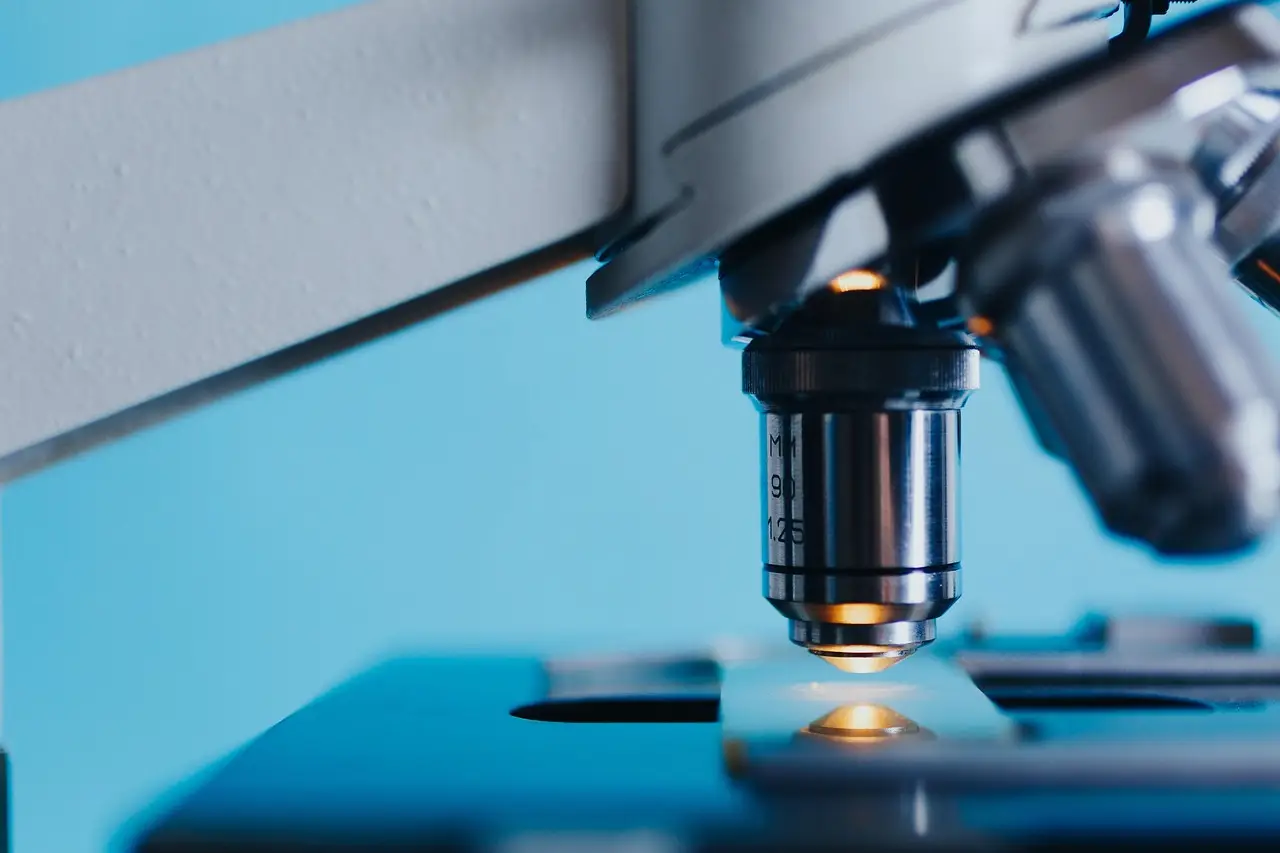
Disabling the ULK1 gene raised output of three difficult-to-make drug-target proteins by 30%, 80% and 100%, according to a 2026 Cell Systems study by researchers at KTH Royal Institute of Technology and AstraZeneca.
The team used a human cell line widely used in pharmaceutical research and found that the modified cells produced more usable membrane proteins while showing no harm in the experiments. The result could ease a persistent bottleneck in drug discovery, though it remains a cell-line finding rather than a demonstrated manufacturing or clinical advance.
What makes these proteins hard to make?
Membrane proteins are proteins embedded in cell membranes, and they serve as targets for about 60% of approved medicines. Researchers often struggle to manufacture enough of them in useful quantities for studying biology and developing drugs.
Disabling ULK1 increased production of three model targets:
- GIPR: output rose by 30%.
- GPR75: output rose by 80%.
- P2X3: output rose by 100%.
Established approaches to raising protein output strengthen the secretory machinery, the cell system that prepares and exports proteins. This study tested a different lever: reducing the cell's internal recycling activity. The new gains came from taking away a process scientists usually consider essential.
The result tackles a production bottleneck by altering the cell's recycling pathway.
How did less recycling lead to more product?
ULK1 initiates autophagy, the process by which cells break down and recycle proteins and organelles, or internal components. Johan Rockberg, a KTH professor of directed evolution, calls the pathway a cell's cleanup crew.
The team tested an unconventional hypothesis. Instead of boosting the production machinery, they disabled part of the cleanup system. That idea ran against expectations because scientists generally consider autophagy necessary for cell health. Removing ULK1 did no harm to the cells in this study, and their output rose.
“We expected cells without working autophagy to struggle. Instead, they produced more, and they did best with exactly the proteins that are usually hardest to obtain,” said Johan Rockberg, a KTH professor of directed evolution.
Alice Karlsson, a biotechnology doctoral student at KTH, then analyzed which genes became active after the knockout, meaning the gene had been disabled. She saw reduced activity in autophagy and downstream processes in the transcriptome, a broad snapshot of gene activity.
“The biggest surprise was that it also translated into higher yields of our model proteins,” Karlsson said.
The counterintuitive move was to reduce cleanup, not turn up the factory.
What could this change for drug development?
Host-cell engineering means altering the cells used to make biological products. The study places autophagy alongside secretory machinery as another possible target for that engineering. It also suggests that changes in cellular metabolism and protein turnover could matter beyond manufacturing.
Those wider implications remain tentative. The researchers point to neurodegenerative conditions marked by protein aggregation, in which proteins clump, and impaired clearance, in which cells fail to remove them properly. The experiment itself tested a human cell line and three model proteins, not those diseases.
The single cell line and small set of proteins also limit how far the results can be generalized. The study does not show whether the same gains will occur in other production systems or at industrial scale. It gives no measured savings in research and development costs, and its immediate payoff is more research protein rather than a medicine for patients.
More usable target protein could nevertheless speed laboratory research and reduce development costs, outcomes the researchers describe as possible rather than demonstrated.
Alice Karlsson and colleagues published ULK1 knockout increases recombinant transcript abundance and improves recombinant membrane protein expression in Cell Systems in 2026. The DOI is 10.1016/j.cels.2026.101779.
The work offers a promising production strategy, not yet a proven shortcut for making medicines.
via phys.org/rss-feed/ (Source)
More from Elena Vasquez
Show full bio
Correspondent covering money, funding and market shifts around general science news at SciBeat.
612 articles
Nearby plates
- AI Predicts Protein Structures to Speed 'Molecular Glue' Drug Discovery
- Drug That Flips Cell 'Energy Saver' Switch Extends Animal Lifespans
- One Protein Family Lets Microbes Make Drugs Without Self-Harm
- MIT Reprograms Immune Cells Inside the Body to Fight Cancer
- Light-controlled blockade reveals hidden cellular recycling targets