Plate Nº 83 · recorded October 30, 2026
Health & Medicine ResearchReported finding
Titanium implants hijack immune cells, Rutgers study finds
Rutgers scientists found corroding titanium implants release particles that trap immune cells in inflammation — and they've identified a drug target to stop it.
By Nathan Brooks4 min read715 words
In brief
- 10-20% of dental implant patients develop peri-implantitis, costing healthcare systems over $1 billion per year
- Macrophages exposed to titanium particles engulfed fewer than half as many bacteria as normal immune cells
- The study identified TRPC1, a calcium channel, as the first credible drug target for peri-implantitis
- Mice lacking the TRPC1 channel developed dramatically smaller abscesses and cleared bacteria
- Published October 23, 2026 in PNAS Nexus by Rutgers School of Dental Medicine
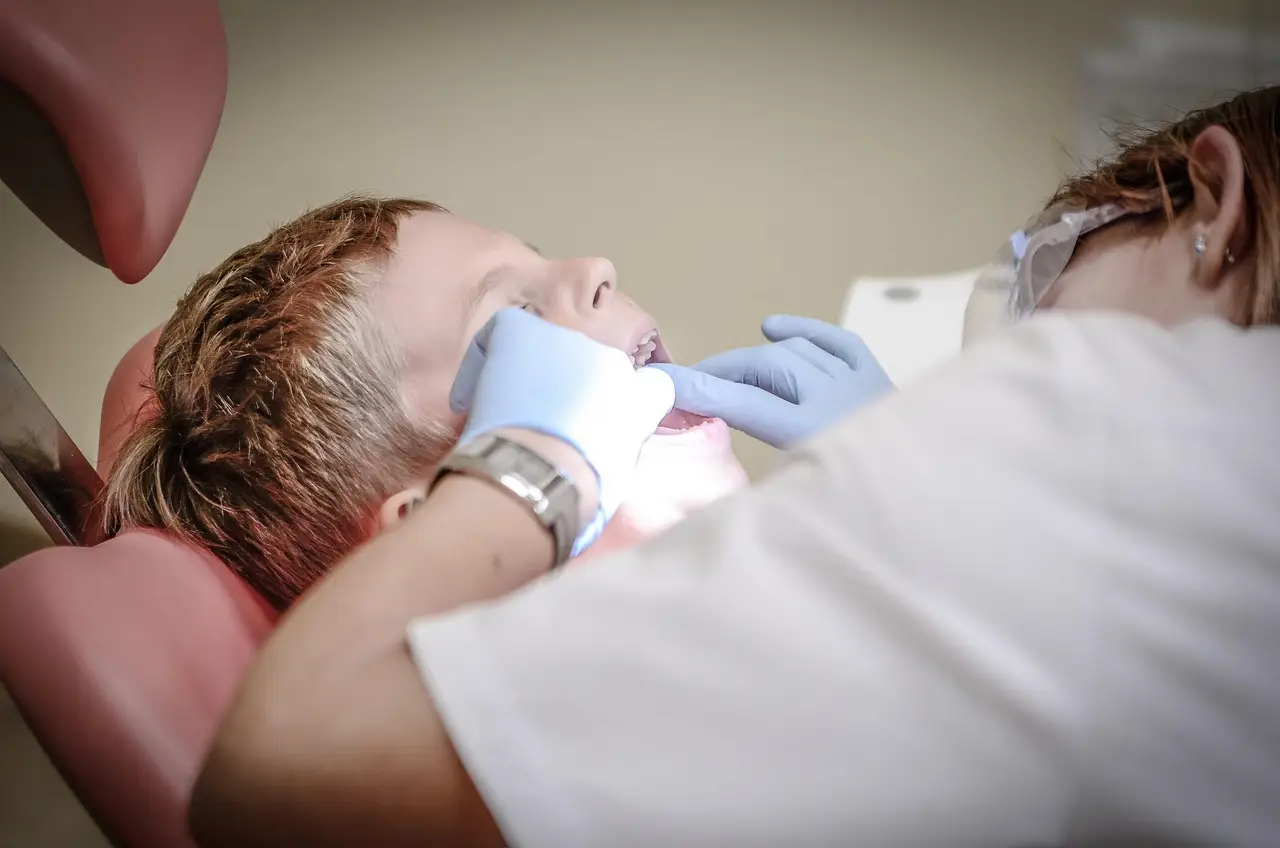
Between 10% and 20% of dental implant patients develop peri-implantitis, a serious jawbone-destroying infection — and now Rutgers scientists say they finally know why antibiotics so often fail against it. The culprit isn't just bacteria. It's the implant itself.
A study published October 23, 2026 in PNAS Nexus by researchers at Rutgers School of Dental Medicine shows that bacteria corrode titanium implants, releasing microscopic particles that hijack immune cells. The finding matters at scale: peri-implantitis affects as many as one in five implant recipients and costs healthcare systems worldwide more than $1 billion annually.
"For the first time, we show why all the antibiotic treatments that work around teeth do not work around implants," said Georgios Kotsakis, senior author and assistant dean for clinical research at Rutgers School of Dental Medicine. "Now that we know the cause, we can start developing therapeutics."
Why do implant infections resist antibiotics?
Peri-implantitis has long puzzled researchers because it resembles periodontitis, the gum disease around natural teeth. Both start with the same oral bacteria. Yet the treatments diverge sharply.
Around natural teeth, antibiotics plus professional cleaning usually resolve the infection. Around implants, the same medications succeed in fewer than half of cases. The jawbone often keeps deteriorating anyway.
For two decades, scientists focused almost entirely on the bacteria. Kotsakis's laboratory flipped the question and examined the implant material itself.
They found that bacteria on implant surfaces form acidic biofilms that slowly eat into the titanium. Over time, this corrosion releases billions of metal particles, each smaller than a red blood cell. Routine dental cleanings can also dislodge particles — especially when instruments designed for natural teeth scrape and damage the metal.
How do titanium particles hijack immunity?
Once loose in the gums, the titanium fragments attract lipopolysaccharide, a bacterial toxin that coats their surfaces. The result: the particles masquerade as unusually large bacteria that can't be broken down.
Macrophages — white blood cells that engulf and destroy microbes — try to consume the particles. Because they can't digest titanium, they get stuck in a state of chronic inflammation.
The consequences were measurable. Macrophages exposed to titanium particles engulfed fewer than half as many bacteria as unexposed immune cells. The compromised cells also pumped out large quantities of inflammatory signaling molecules, including interleukin-1 beta, a protein also linked to rheumatoid arthritis and Alzheimer's disease.
"These particles are little magnets that attract the bacterial toxin, and they hijack the immune system, preventing it from clearing bacteria," Kotsakis said. "You have a perfect storm that defies antibiotics."
The researchers drew these conclusions from human tissue samples, laboratory work on human immune cells, and experiments with genetically engineered mice.
What's the new drug target?
The team traced the damaging reaction to TRPC1, a calcium channel — a pore-forming protein in cell membranes — found in macrophages. This channel drives the inflammatory response to titanium particles and bacterial toxins.
The mouse experiments were striking. Animals engineered to lack TRPC1 and exposed to the same titanium-plus-bacteria combination developed dramatically smaller abscesses, produced fewer inflammatory molecules, and regained the ability to clear bacteria. Disabling the channel prevented the disease entirely.
That makes TRPC1 the first credible drug target for peri-implantitis. With funding from the National Institutes of Health, Kotsakis and his colleagues are now testing potential drugs that act on the same pathway in human cells.
What should implant patients do now?
The findings are preliminary in one sense — no human therapy exists yet, and the mouse results don't guarantee the same outcome in people. But they reinforce an immediate preventive step: proper professional cleaning.
Until roughly a decade ago, many dentists cleaned implants with the same metal scalers used on natural teeth. Research by the Rutgers team and others has since shown those tools damage and corrode titanium, potentially releasing more particles and accelerating disease. Today, nonabrasive cleaning methods are standard practice.
For the tens of millions of people who've replaced missing teeth with implants rather than removable dentures, that routine care remains the strongest known protection — at least until the new drug research matures.
The study, led by first author Juliana Girón Bastidas with co-authors including Danyal A. Siddiqui and Brij B. Singh, appears in PNAS Nexus, volume 5, issue 4.
via dx.doi.org (Original)
More from Nathan Brooks
Show full bio
Market editor covering companies, deals and strategy in general science news at SciBeat.
267 articles
Nearby plates
- Staph Bacteria Grows Three Times Thicker Cell Wall in Milk, Study Finds
- Iron-Sensing Protein Pair Rewires P. aeruginosa, Study Finds
- Scientists Map Three Weak Points in Antibiotic-Resistant Bacteria
- Two Protein Plugs Help Superbug P. aeruginosa Block Antibiotics
- Phage enzyme cut triggers bacterial suicide defense, study finds