Plate Nº 63 · recorded November 16, 2026
Earth & ClimateReported finding
Tree Rings and Ice Cores Date Babylon's Fall to 1587 B.C.
Radioactive carbon in ancient Turkish tree rings, Babylonian Venus records and Alaskan volcanic ash in ice cores date Babylon's fall to around 1587 B.C., a new PNAS study finds.
By Nathan Brooks3 min read578 words
In brief
- Babylon fell around 1587 B.C., the study concludes, supporting the middle–low chronology.
- Charlotte Pearson's University of Arizona team published the findings in PNAS on November 16, 2026.
- Tree rings dated two Turkish palaces to 1837–1836 B.C. and 1778 B.C.
- A severe drought from 1194 to 1192 B.C. preceded the sack of Hattusa by two years.
- Babylonian Venus observations matched ash from Alaska's Aniakchak eruption, around 1628–1627 B.C., in ice cores.
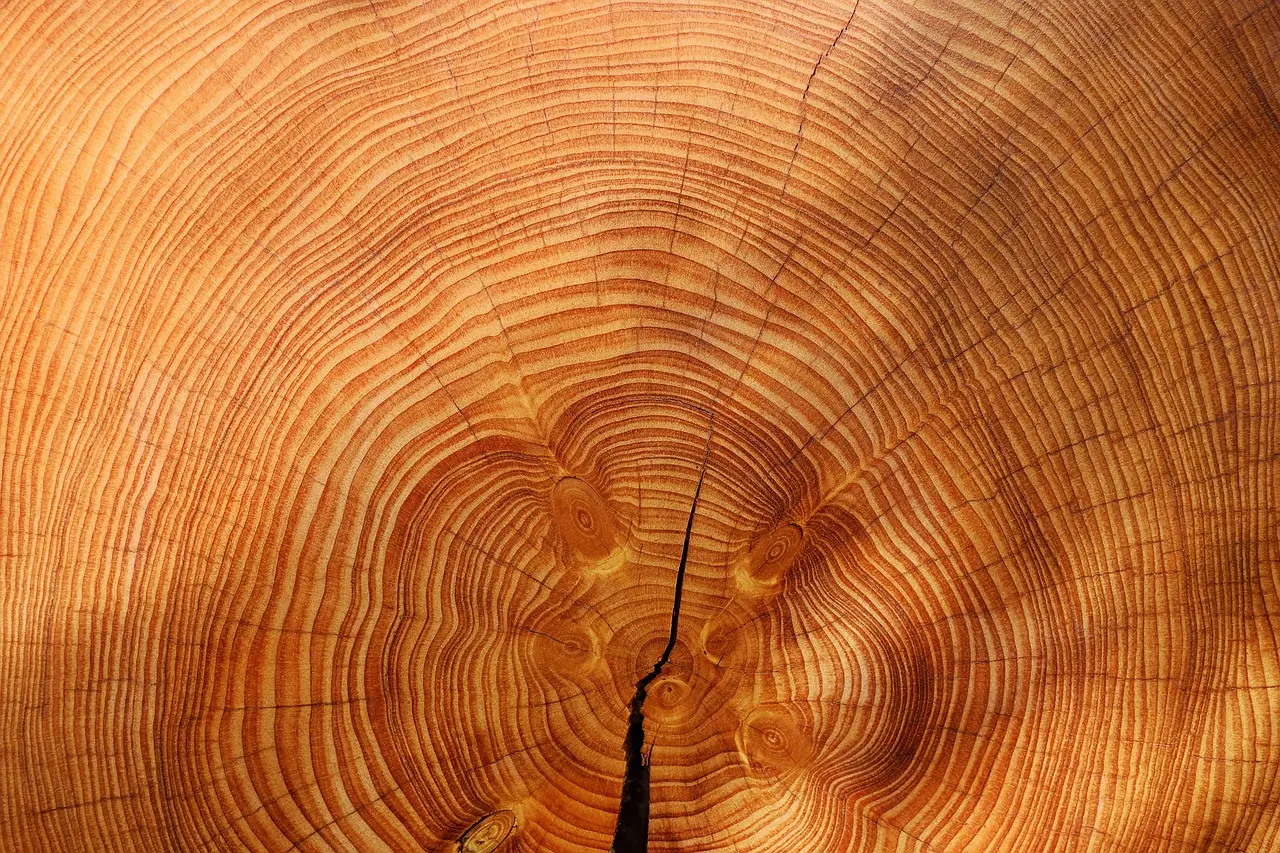
Babylon fell around 1587 B.C., according to a new study that pins ancient Mesopotamian history to the calendar using tree rings and polar ice cores. The paper, led by Charlotte Pearson of the University of Arizona, was published November 16, 2026 in the Proceedings of the National Academy of Sciences.
Historians have long known a lot about Mesopotamia — the region spanning modern-day Iraq and parts of Syria and Turkey — including who ruled and the order in which kings succeeded one another. Exact calendar dates for those events, though, have stayed slippery. Several competing timelines, or "chronologies," have circled the same events for decades.
How do you date a 3,600-year-old kingdom?
The team started with ancient timbers recovered from archaeological sites in what is now Turkey. They measured levels of radioactive carbon — a naturally occurring isotope that decays at a known rate, making it a molecular clock — in individual tree rings. Comparing those patterns with trees of known age gave the researchers precise dates for the ancient wood.
The timbers carried their own historical anchors. Some came from ancient palaces where archaeologists had also unearthed written records tied to specific years in an ancient Assyrian calendar. The trees' outermost growth rings revealed when they were cut down, which let the researchers date the palaces' construction and link them to the written record.
That solved half the puzzle. The rest required a second, colder source of evidence.
What does an Alaskan volcano have to do with Babylon?
The researchers turned to ancient Babylonian records of Venus observations. Those records suggested the planet was unusually hard to see at certain times — possibly because volcanic haze was dimming the sky.
So the team compared the Venus observations with evidence of volcanic eruptions preserved in polar ice cores, where ash and chemicals from ancient eruptions remain trapped in layered ice. The strongest match was a massive eruption of the Aniakchak volcano in Alaska around 1628–1627 B.C.
Tree rings plus ice cores together pointed to one winner among the rival timelines. "Remaining dating uncertainties are constrained in strong support of the middle–low chronology," the study authors wrote — in plain English, the evidence strongly favors one of the shorter competing timelines for the region's history.
What else did the tree rings reveal?
The dating work filled several other gaps in the ancient calendar:
- Babylon fell around 1587 B.C., the study concludes.
- Two ancient palaces in what is now Turkey were built around 1837–1836 B.C. and 1778 B.C.
- Unusually dry conditions prevailed between 1228 and 1188 B.C., including a severe drought from 1194 to 1192 B.C.
That last figure carries a historical sting. The drought ended just two years before the Hittite capital of Hattusa was sacked and burned, suggesting climate stress may have contributed to the empire's collapse.
Could this method rewrite other histories?
The researchers think so. Their technique — measuring radiocarbon in single tree rings of known age — could tighten timelines well beyond Mesopotamia. "Single-year measurements of radiocarbon from calendar-dated tree rings offer new opportunities to refine and improve chronologies," they wrote.
There are caveats, as with any ancient-history dating effort. The results narrow uncertainties rather than erase them, and the Venus-haze link rests on matching two indirect records across thousands of kilometers. Still, a 3,600-year-old question — when did Babylon fall? — now has its strongest answer yet: about 1587 B.C.
via phys.org/rss-feed/ (Source)
More from Nathan Brooks
Show full bio
Market editor covering companies, deals and strategy in general science news at SciBeat.
404 articles
Nearby plates
- Vesuvius eruption of 79 CE sharpened Earth's dating clock
- Tibetan Ice May Be 128,000 Years Old — and It Rewrites Climate History
- Mars Turns 39: The Red Planet Rings in a New Year on September 30
- A Famous 2-Billion-Year-Old Signal From Early Earth May Be Local, Not Global
- 3.95-Billion-Year-Old Rocks in China Hint at Early Plate Tectonics