Plate Nº 18 · recorded October 30, 2026
Health & Medicine ResearchReported finding
Trial: 38% liquid arrests decay in more than half of baby teeth
An 830-child Phase III trial found that 38% silver diamine fluoride arrested decay in more than half of affected baby teeth at six-month intervals, without drilling.
By Nathan Brooks5 min read981 words
In brief
- A Phase III trial included 830 children younger than 6 recruited through programs in Michigan, New York and Iowa.
- At six-month intervals, a 38% SDF solution arrested decay in more than half of affected baby teeth.
- The trial began in 2018 and reported its results in 2026.
- The National Institute of Dental and Craniofacial Research provided more than $12 million.
- The FDA approved SDF for tooth sensitivity in 2014; U.S. use to arrest cavities remains off-label.
By Nathan Brooks
A Phase III clinical trial of 830 children younger than 6 found that a 38% silver diamine fluoride solution arrested decay in more than half of affected baby teeth at six-month intervals. The University of Michigan team reported the results Oct. 25, 2026.
The inexpensive treatment takes seconds and requires no drilling, injections or sedation. It could spare some children painful infections and the need for surgery, although it permanently turns the decayed portion of a tooth dark.
Researchers published the findings in JAMA Pediatrics. The paper, “Efficacy of Silver Diamine Fluoride on Young Children With Severe Early Childhood Caries,” lists the citation 2026;180(9):942 and DOI 10.1001/jamapediatrics.2026.2567. Severe early childhood caries refers to extensive decay in young children.
What did the 830-child trial test?
Researchers recruited participants through dental clinics, pediatric medical practices, and Head Start and Early Head Start programs in Michigan, New York and Iowa. Head Start and Early Head Start are federally supported programs that provide early-childhood education and related services to eligible families.
The trial began in 2018 and continued despite major disruptions caused by the COVID-19 pandemic. The National Institute of Dental and Craniofacial Research, part of the National Institutes of Health, provided more than $12 million.
Researchers came from the University of Michigan, New York University, the University of Iowa and Indiana University. They tested Advantage Arrest 38% silver diamine fluoride, supplied by Elevate Oral Care.
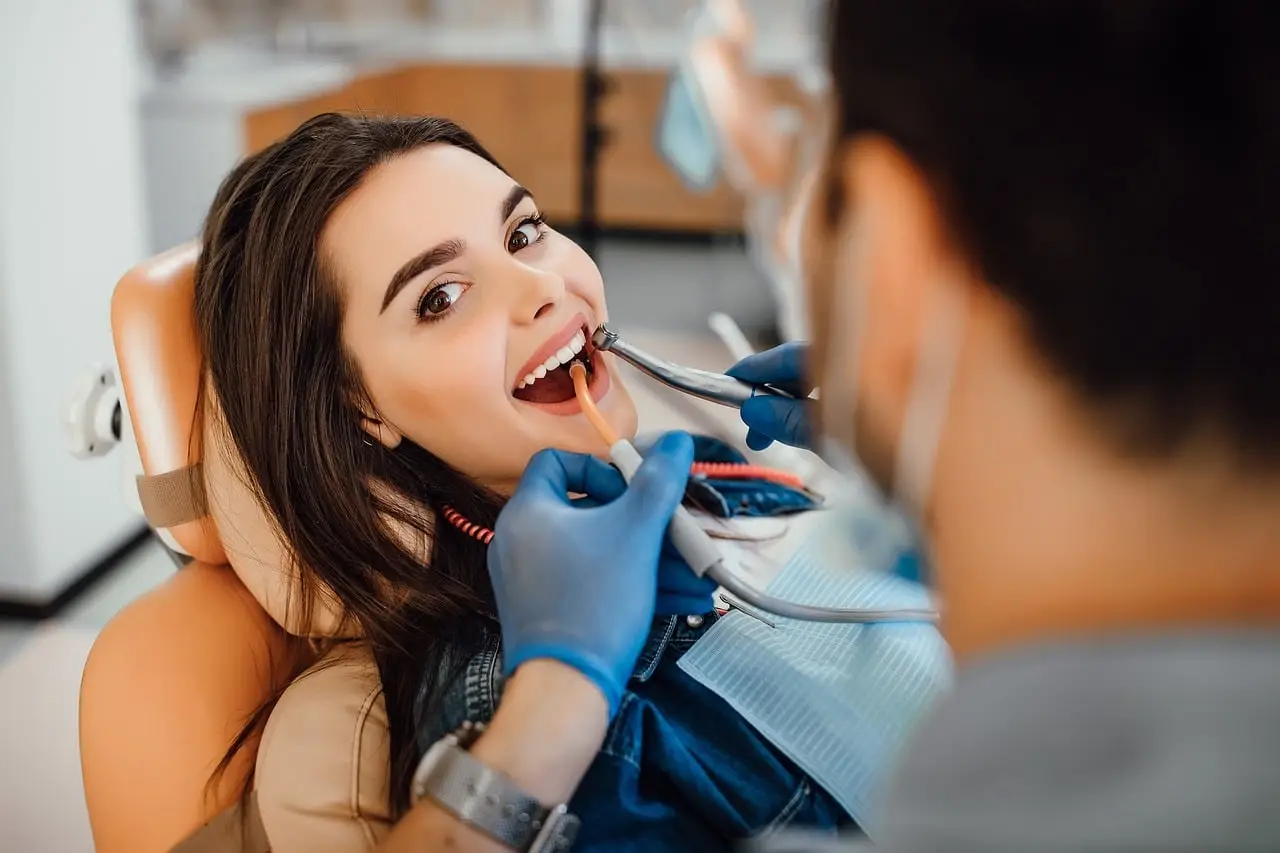
For each affected tooth, a dentist used a tiny sponge-tipped applicator to paint the liquid directly onto the cavity. Each application took seconds and required no drilling, injections or sedation.
Silver diamine fluoride, or SDF, does not remove damaged material or replace lost tooth structure. It arrests decay, meaning the damaged area stops deteriorating rather than being rebuilt.
How does a liquid stop decay?
Silver helps combat bacteria associated with tooth decay, while fluoride helps strengthen the mineral structure of teeth and resist further damage. Margherita Fontana, professor of dentistry at the University of Michigan School of Dentistry and the study’s lead investigator, said: “This is a very effective and safe treatment — even in children as young as 1.”
Fontana said the benefits could extend well beyond young children to:
- Older adults
- People with developmental or physical disabilities
- Individuals with severe dental anxiety
- Patients who have difficulty obtaining conventional dental care
For some children, another application every few months could keep a cavity under control until the affected baby tooth falls out naturally. Adults could manage decay over a longer period or use SDF temporarily until a filling or another repair becomes affordable or practical.
Why can treatment without drilling matter?
Tooth decay is the most common chronic disease among children, affecting more than 40% of American children. Untreated decay can cause severe toothaches, infections, problems eating and sleeping, missed school days and repeated medical appointments.
Thousands of young children visit United States emergency departments each year because of untreated cavities. Emergency physicians generally cannot provide the dental procedures needed to address the underlying problem, leaving some children with ongoing pain and infections. Some ultimately need dental surgery under general anesthesia, which makes them completely unconscious.
Conventional dental treatment can be particularly challenging for young children. Some are too young to remain still throughout a procedure, while others experience significant fear or anxiety. SDF takes less time and requires none of the equipment or procedures required for a traditional filling.
Could FDA approval widen access?
Dentists have used SDF to manage cavities in numerous countries for decades. In 2014, the FDA approved SDF as a medical device for treating tooth sensitivity. U.S. dentists have also used it off-label to stop cavities, meaning they apply an authorized product beyond its original approved indication.
The missing piece was large-scale clinical evidence from U.S. populations showing that SDF could safely and effectively treat tooth decay. The Michigan trial was designed to fill that gap for both cavity treatment and broader use in medical settings.
Elevate Oral Care can use the results in an application seeking FDA approval of SDF as a drug for arresting dental caries, the medical term for tooth decay. The trial supplies evidence for that application; it does not itself grant approval.
The researchers say broader access could help millions avoid dental pain, though actual use would still depend on FDA approval and broader acceptance by providers and insurers. Amr Moursi, professor of pediatric dentistry at New York University College of Dentistry and a co-principal investigator, said: “Our results support FDA approval of SDF for managing arrest of tooth decay in young children.” He said removing off-label status could increase provider use, improve insurer payments and support more consistent product quality.
Fontana argued that clinicians want high-quality evidence before changing practice. Young children often see pediatricians years before their first dental appointment, so use in pediatric medical settings could treat cavities while referral to a dental home succeeds and before pain, infection or surgery develops. A dental home means an ongoing relationship with a dental provider who delivers preventive care, treatment and follow-up.
What does SDF not solve?
SDF cannot treat every cavity, and stopping decay does not necessarily eliminate future dental work. It also permanently turns the decayed portion dark, a mainly cosmetic change that can be obvious on front teeth and may affect a family’s choice.
Fontana said the method can arrest decay and stop the infection and pain it causes for almost anyone. Even so, the study supports SDF as one option, not a universal repair: it does not replace lost tooth structure, and some children need repeat applications or later dental care.
For now, U.S. cavity treatment with SDF remains off-label. The trial advances the case for FDA approval, but approval and widespread use have not yet occurred.
via news.umich.edu (Original)
More from Nathan Brooks
Show full bio
Market editor covering companies, deals and strategy in general science news at SciBeat.
325 articles
Nearby plates
- Financial support for Flint families linked to fewer newborn deaths
- Fifty Years of Fluoridated Water Shows No Link to Cognitive Decline
- E-Cigarette Exposure at Home Worsens Children's Asthma, Study Finds
- Postpartum GLP-1 Prescriptions Jumped 24-Fold, Study Finds
- Nearly 17% of Children on GLP-1 Drugs Develop Nutritional Deficiencies