Recorded November 19, 2026
Health & Medicine ResearchReported finding
Turkey Tops 'Most Dangerous' Holiday Dish List, but the Math Is Half-Baked
A Texas attorney's ranking of 'most dangerous' holiday foods draws on 25,000 CDC outbreaks since 1998, but experts say it confuses seasonal spikes with actual risk. Here's what the data really show.
By Elena Vasquez4 min read761 words
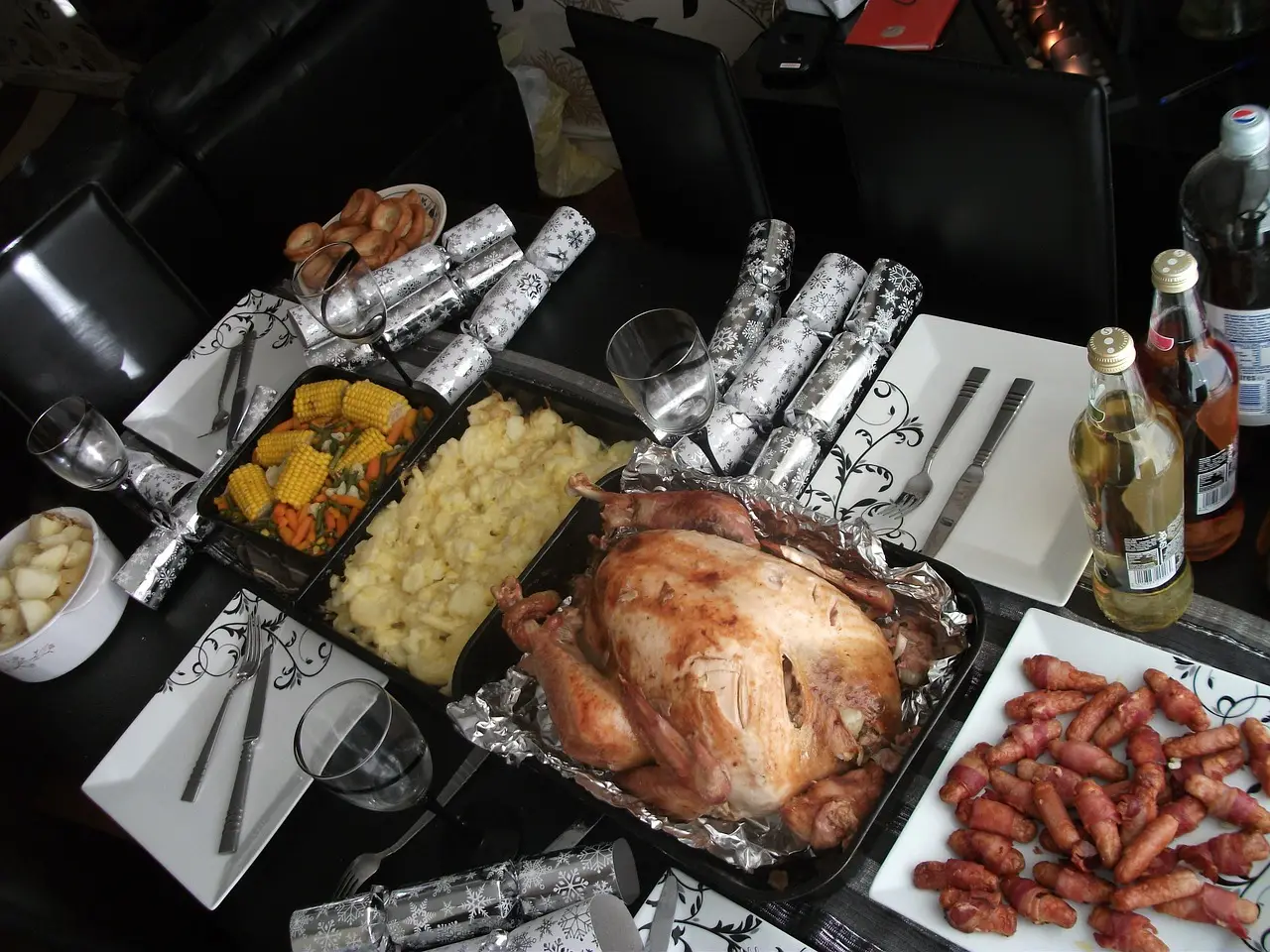
Roughly 25,000 foodborne illness outbreaks recorded by the CDC between 1998 and 2023 lie behind a widely circulated ranking of "the most dangerous holiday foods" — and according to a close reading of that data, the ranking tells us far less about risk than its headline suggests.
Texas personal injury attorney Aaron Herbert built the list from the CDC's National Outbreak Reporting System (NORS), singling out Thanksgiving dishes whose outbreaks cluster in November and December. Turkey came out on top. But the analysis, reviewed by the medical director of the American Council on Science and Health (ACSH), stumbles on a basic epidemiological problem.
It has no denominator.
What's wrong with the ranking?
The math behind the list checks out. The interpretation doesn't. Four weaknesses stand out:
- No denominator. A greater-than-threefold concentration of turkey-related outbreaks in November and December is not the same as a threefold risk of getting sick. Because people eat far more turkey around Thanksgiving, the per-serving risk may actually be lower than in July.
- Two months stand in for one day. November and December cover 61 days and at least three holidays. The data speak, at best, to holiday meals generally — not Thanksgiving specifically.
- Lumpy categories. The "vegetable sides" bucket lumps together an outbreak tied to prison corn — 880 illnesses and 35 hospitalizations — with green bean casserole. That's apples and, well, corn.
- Thin, underreported data. NORS reporting is voluntary, and outbreaks capture only a small fraction of foodborne illness. Of more than 12,000 records in the original dataset, only about 10% — 1,324 — matched the researchers' food categories.
The problem isn't the numbers. It's the question they're asked to answer.
Change the measure, get a different menu
Re-rank the same data by the number of people sickened rather than seasonal concentration, and the story shifts. Turkey still leads. But salads emerge as a major, overlooked category, while bread and stuffing — ranked second originally — fall to eighth by illness burden.
The salads finding exposes another flaw. Nobody serves salad as the centerpiece of Thanksgiving dinner, so two months of outbreak data can't honestly measure one day's risk. Of 66 holiday outbreaks attributed to salads, 34 came from norovirus and 12 from E. coli — contamination that happens before ingredients reach the kitchen, not undercooking.
Microbial causes across all categories point to three pathways: contamination, inadequate cooking, and improper handling during preparation or serving.
And if you're eyeing the home cook with suspicion, don't. Where preparation site was recorded — about two-thirds of holiday cases — restaurants and caterers accounted for 171 outbreaks, more than three times the number traced to home kitchens.
What does the data actually say you should do?
Herbert's practical advice fares better than his statistics. He said:
"When you're cooking for a full house, it's easy to put all your attention on the main course and treat everything else as an afterthought. Germs don't follow those categories. … If you're hosting this year, give every dish the same care you'd give the centerpiece of the meal, from the moment it's made to the moment it's served."
Holiday meals strain normal kitchen routines: bigger quantities, more people, dishes requiring different cooking temperatures, and food sitting out longer than usual. Four practices cover the main risks:
- Clean. Wash hands with soap and water for at least 20 seconds, especially after handling raw meat, eggs, or flour. Clean boards, utensils, and counters between tasks. Rinse produce under running water. Don't wash raw poultry — splashing water spreads bacteria.
- Separate. Keep raw meat, poultry, and seafood away from ready-to-eat foods from cart to counter. Use separate cutting boards and sealed containers for raw meats.
- Cook. Color isn't a safety test. Use a thermometer: poultry, stuffing, casseroles, and leftovers to 165°F; ground meats to 160°F; whole cuts of beef, pork, and lamb to 145°F followed by a 3-minute rest.
- Chill. Bacteria multiply fast between 40°F and 140°F. Refrigerate perishables within two hours in shallow containers, keep the fridge at or below 40°F, and thaw frozen food in the refrigerator, cold water, or microwave — never on the counter.
The real lesson from 25 years of outbreak data isn't which dish to avoid. It's that foodborne illness doesn't distinguish between the turkey at the center of the table and the salad off to the side — and safety lives in everything that happens before food reaches the plate.
via acsh.org (Source)
More from Elena Vasquez
Show full bio
Correspondent covering money, funding and market shifts around general science news at SciBeat.
592 articles
Nearby plates
- U.S. Loses Measles Elimination Status After 5,412 Cases in 2026
- US Loses Measles Elimination Status After 25 Years, WHO Body Rules
- Oregon Records First H5N1 Case in Dairy Cows as Union Warns of Underreported Human Infections
- 30.3 Million Congolese Face Acute Hunger by Mid-2027, UN Warns
- Pediatricians Renew Push to Ban Raw Milk, Warn of H5N1 Risk