Recorded November 22, 2026
Health & Medicine ResearchReported finding
Two High-Intensity Yoga Sessions a Week Beat Other Workouts for Sleep
A meta-analysis of 30 trials and 2,500 adults with sleep disturbances found high-intensity yoga — twice weekly, under 30 minutes — outperformed walking, aerobics, and tai chi for improving sleep.
By Marcus Bennett3 min read635 words
In brief
- Meta-analysis in Sleep and Biological Rhythms pooled 30 randomized controlled trials with over 2,500 adults with sleep disturbances.
- Optimal prescription: two high-intensity yoga sessions per week, ≤30 minutes each, for 8–10 weeks.
- Yoga's effect on sleep was 'significantly superior' to aerobic exercise; walking and resistance training ranked next.
- A 2023 review had pointed to three weekly aerobic sessions instead; a 2025 study found tai chi matched CBT-I at 15 months.
- Authors caution the evidence base is limited and call for high-quality research to confirm the findings.
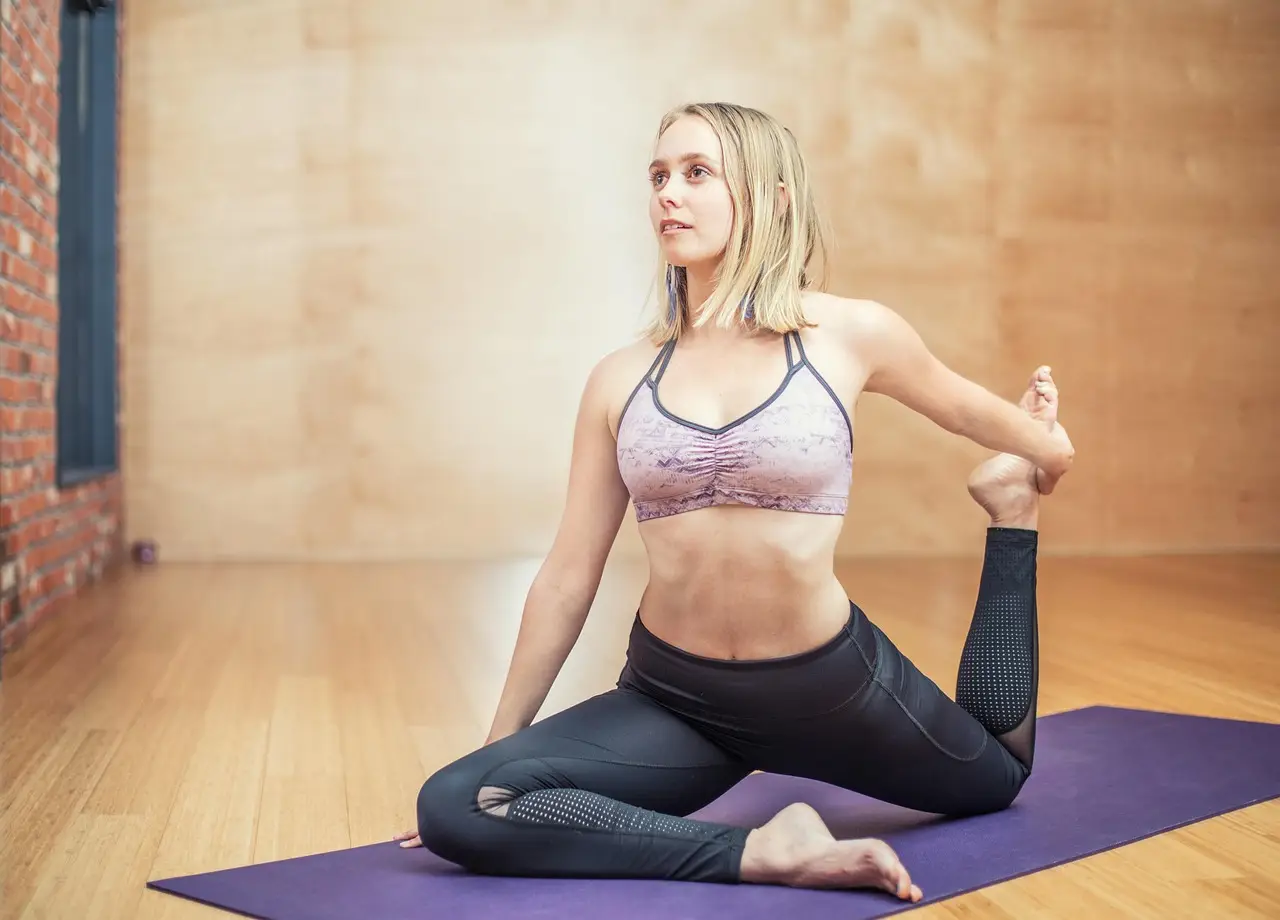
A meta-analysis of 30 randomized controlled trials has identified an "optimal exercise prescription" for poor sleep: two high-intensity yoga sessions per week, each lasting up to 30 minutes, sustained for 8–10 weeks.
Researchers at Harbin Sport University in China pooled data on more than 2,500 adults with sleep disturbances, spanning a wide age range and roughly a dozen countries and regions. Their analysis, published in Sleep and Biological Rhythms, compared yoga against walking, combination exercise, aerobic exercise, and traditional Chinese exercises such as qi gong and tai chi. Yoga showed the strongest association with improved sleep, and its effect was "significantly superior" to aerobic exercise.
"The findings suggest that a yoga exercise prescription, conducted twice weekly for 8–10 weeks, lasting ≤ 30 min per session, and of high intensity, is the most effective approach for improving the sleep quality of individuals with sleep disturbances," the researchers concluded.
What does "high-intensity yoga" actually mean?
The winning regimen looks different from the gentle, slow stretching many people picture. High-intensity yoga moves quickly between poses and uses your own body weight to create resistance — the muscles work against an opposing force, much as they do in a plank, a downward dog, or a set of weights.
That resistance element may matter. Walking ranked second in the analysis, followed by resistance training (strength work such as Pilates and weight lifting). Across related studies, researchers keep flagging resistance-based movement — even forms not labeled "resistance training" — as beneficial for sleep.
How solid is the evidence?
Preliminary, by the authors' own admission. "Caution should be exercised when interpreting findings from studies on sleep disturbances, given the limited number of studies included and the unique characteristics of the sleep disturbances population," the Harbin team wrote. "Further, high-quality research is needed to confirm these findings."
The picture also shifts depending on which review you read. A separate review published in 2023 found that three weekly sessions of aerobic or moderate-intensity exercise might be the most effective workout for sleep disturbances — although one study within that review did show yoga outperforming other exercise types.
Yoga itself resists tidy classification. It spans aerobic and anaerobic territory, and its intensity varies with the technique, which may help explain why results differ from trial to trial. The same ambiguity applies to tai chi, Pilates, and aerobic exercise, all of which other studies have linked to better sleep.
A 2025 study offers a useful longer view: tai chi improved sleep on par with cognitive behavioral therapy for insomnia (CBT-I), a structured talk-based treatment. In the short term, the CBT-I group reported greater reductions in insomnia symptoms, but at a 15-month follow-up the tai chi group had caught up. The authors credited tai chi's accessibility and its ease of fitting into daily life.
Why might yoga work?
Meta-analyses cannot explain mechanisms, but researchers point to a few candidates:
- Yoga raises the heart rate, loads the muscles, and regulates breathing — a combination shared with tai chi and Pilates.
- Controlled breathing appears to activate the parasympathetic nervous system — the body's rest-and-digest mode — by stimulating the vagus nerve, and studies link it to improved sleep quality.
- Some research suggests yoga regulates brainwave activity patterns, which could promote deeper sleep.
Yoga may be effective precisely because it deliberately pairs breath control with resistance work, but no study has confirmed that hypothesis directly.
The bottom line for readers
Exercise in general reliably helps sleep, yet rigorous studies on specific exercises and their long-term effects remain scarce. Every body and brain responds differently, and no single routine guarantees relief from insomnia. If sleep disturbances are affecting your quality of life, speak with a doctor; exercise may form one part of the puzzle, not the whole solution.
via sciencealert.com (Source)
More from Marcus Bennett
Show full bio
News editor covering regulation, policy and their impact on general science news at SciBeat.
584 articles
Nearby plates
- Sleep Schedule Regularity Beats Sleep Duration for Heart Health
- Yoga-Based Rehab Improved Walking and Quality of Life in Heart Failure Trial
- Earlier Bedtime Linked to More Weight Loss in Prediabetes
- Sleep and Weight: An Extra Hour a Night Cut 270 Calories a Day
- Weekly Injection Cuts Sleep Apnea Episodes by Up to 34 an Hour