Plate Nº 13 · recorded November 17, 2026
Science Policy & FundingReported finding
Two-Thirds of Nuclear Teams Report Contractor Shortages Risking Outages
Two-thirds of North American nuclear workers say contractor shortages threaten outage schedules, as 33% of critical assets need ageing management.
By Priya Raman3 min read551 words
In brief
- More than two-thirds of surveyed US and Canadian nuclear workers cite a shortage of qualified contractors as a top risk to planned outages.
- 33% of critical nuclear assets require life extension measures or active ageing management, according to the IGS report.
- The Nuclear Regulatory Commission lost roughly 500 staff on a net basis between July 2024 and June 2026, largely via voluntary retirements.
- The US Department of Energy is supporting efforts to restart previously closed nuclear reactors.
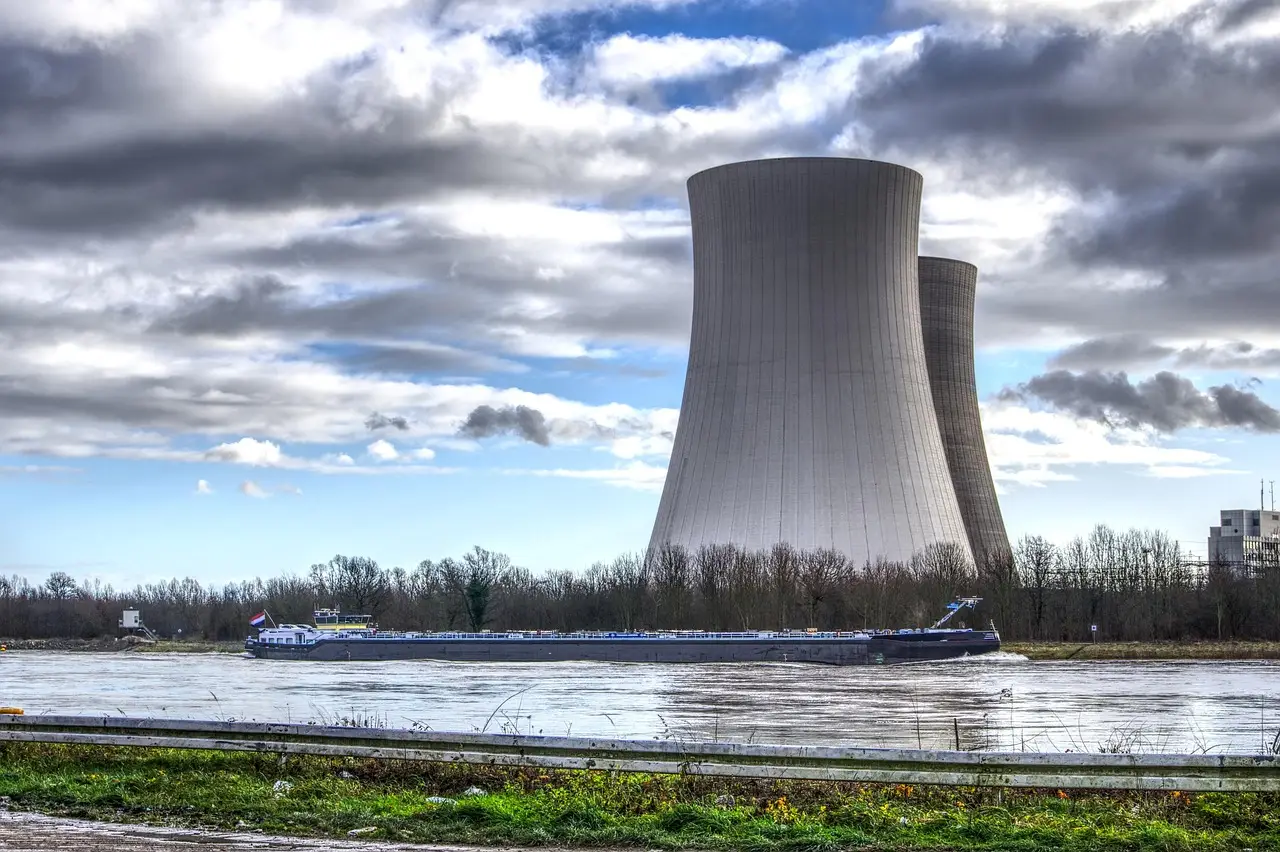
More than two-thirds of nuclear industry engineers, operators and maintenance workers in the United States and Canada say a shortage of qualified contractors is one of the two problems most likely to extend a planned outage or delay a reactor's return to service. That figure comes from a new survey of personnel working across the North American nuclear sector, published by IGS, an international provider of on-site surface protection solutions (treatments applied to equipment in place to slow corrosion and wear).
The findings land at a moment when the industry can least absorb delays.
What is straining the maintenance system?
The survey identifies several pressures converging on the same workforce. The most striking number concerns the plants themselves: 33% of critical assets — the essential pumps, pipes and structures a reactor cannot run without — now require life extension measures or active ageing management (programmes of continuous monitoring and repair that keep old components safe and serviceable).
That share is growing partly because of policy. The US Department of Energy is supporting efforts to restart previously closed nuclear reactors, and those units naturally demand more maintenance because of their age.
The labour side is not keeping pace. Despite a heightened hiring push in the renewable sector, and new training regimes and programmes particularly in Europe, the survey suggests the US and Canada have not caught up and are struggling to hire the qualified teams they need.
The regulator is thinning out as well. In September 2026, the US Government Accountability Office reported that the Nuclear Regulatory Commission had lost approximately 500 staff on a net basis between July 2024 and June 2026, largely through voluntary retirements. Those departures point to an ageing workforce as one root cause of the staffing strain — the people leaving are not being replaced fast enough by people with equivalent experience.
Why does the shortage matter for outages?
Nuclear plants are not repaired on demand. Every repair must be planned around strict safety requirements and outage schedules — the fixed windows, often just weeks long, in which a reactor is shut down so crews can inspect and fix what cannot be touched while it runs.
Keith Reeser, Senior Director at IGS, said: "Extending the life of nuclear facilities means getting more from equipment that has already been operating for decades. The challenge is that specialist maintenance resources are not unlimited and every repair has to be planned around strict safety requirements and outage schedules."
The arithmetic is unforgiving. Older plants generate longer lists of work. Longer lists demand more specialists during each outage window. And each restart decision adds another ageing facility to the queue.
"Operators need to look beyond the immediate repair and consider long-term maintenance strategies," Reeser said. "The more work that returns during subsequent outages, the greater the demand on an already stretched workforce."
How solid are the findings?
The survey covers workers across two countries but comes from a single company with a commercial interest in maintenance services, and the report does not disclose its exact sample size. The staffing figures from the Government Accountability Office, by contrast, are official and precisely dated.
Whether or not a full crisis arrives, the direction is clear. Ageing reactors, restart ambitions and retiring specialists are all pulling on the same finite pool of qualified hands.
via energylivenews.com (Source)
More from Priya Raman
Show full bio
Senior reporter covering people, launches and day-to-day practice in general science news at SciBeat.
476 articles