Recorded November 22, 2026
Earth & ClimateReported finding
UK nature report: bird and butterfly declines accelerate as volunteering jumps 70%
Volunteer conservation time jumped 70% since 2000, but only half of the UK's 28 biodiversity indicators were updated, and bird and butterfly trends keep deteriorating.
By Marcus Bennett4 min read717 words
In brief
- Volunteer conservation time in the UK rose 70% between 2000 and 2024.
- Only half of the 28 biodiversity indicators were updated in the latest report.
- Most UK bird groups are deteriorating over five years; none are increasing.
- Butterfly populations have declined steadily since 1976 monitoring began.
- The UK is on track for just 3 of 23 Kunming-Montreal biodiversity targets for 2030.
Volunteer conservation time in the UK rose 70% between 2000 and 2024 — the standout good news in the government's latest annual biodiversity indicator report, which otherwise shows the state of UK nature continuing to deteriorate or flatline.
The report, first published in 2007 and commissioned by the UK government, pulls together data on 28 biodiversity indicators covering air pollution, habitat condition, birds, butterflies and conservation volunteering. Its purpose is partly to counteract "shifting baseline syndrome" — the process by which a progressively impoverished environment becomes normalized because each generation forgets what nature used to look like.
What do the headline numbers show?
- Only half of the 28 indicators were updated this time, so the picture is incomplete.
- Across indicators with data compiled over decades, 44% are improving, 44% deteriorating and 12% show little or no change.
- Over the last five years, 38% are improving, 29% deteriorating and 32% show little or no change.
- Some pressures are easing and some conservation responses are improving, but measures of the actual state of nature are either deteriorating or flat.
Takeaway: the inputs look better than the outcomes, and the outcomes are what count.
Which species are in trouble?
Wild bird statistics make for grim reading. Most bird groups are classified as "deteriorating" over the last five years, and none are increasing. The decline is sharpest among farmland birds — lapwing, yellow wagtail and starling — and seabirds such as the Arctic skua and Arctic tern.
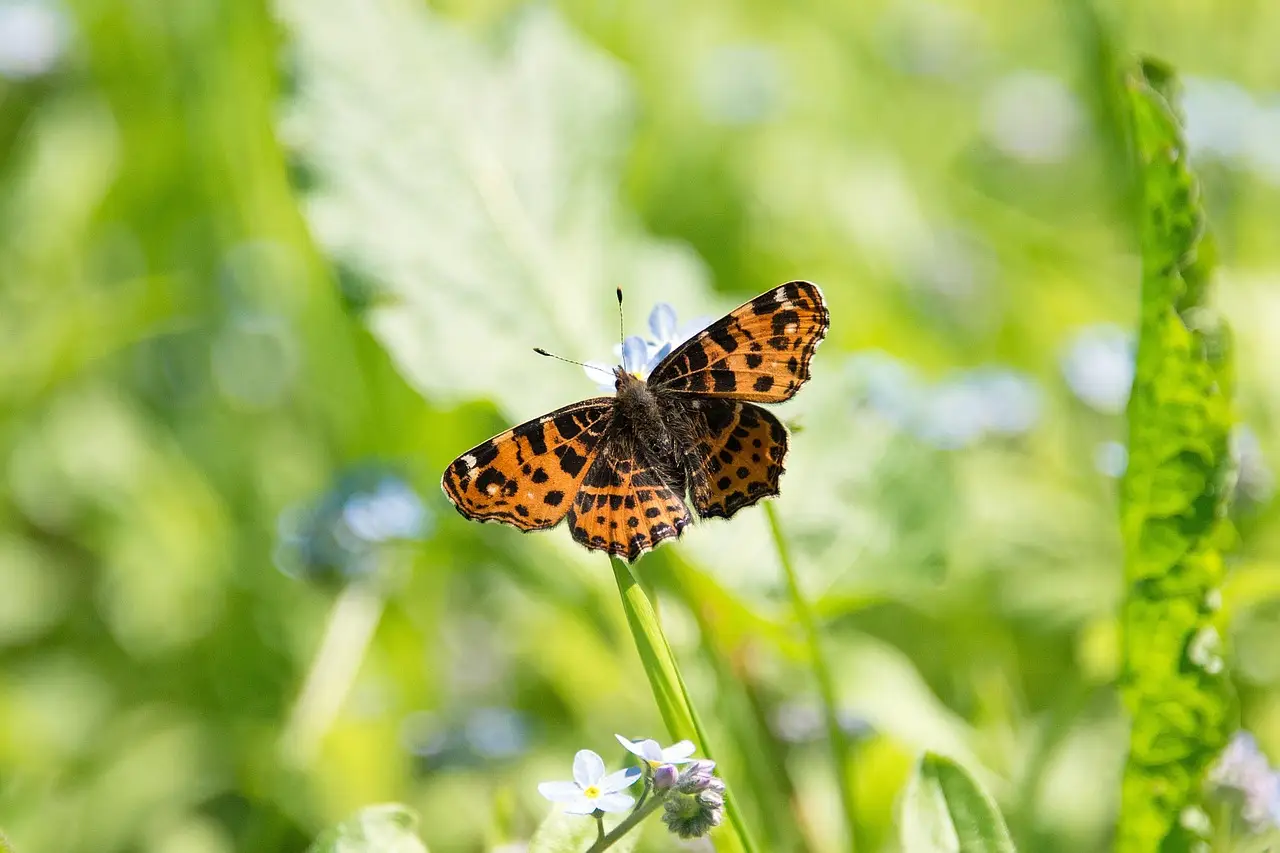
Butterflies tell a similar story. Populations have declined steadily since 1976, when systematic monitoring began, including the small tortoiseshell, Adonis blue and small pearl-bordered fritillary. The apparent acceleration of bird declines is described as particularly alarming given UK nature is already known to be depleted.
How does this square with the UK's legal targets?
The UK is a world leader in promoting biodiversity targets and indicators. The Environment Act includes a legally binding target to halt the decline of species abundance and reduce extinction risk. The indicators also underpin the UK's international reporting against the UN's Convention on Biological Diversity, whose 2022 Kunming-Montreal Global Biodiversity Framework sets 23 action-oriented targets for 2030 and four goals for biodiversity recovery by 2050.
Government reporting earlier this year showed the UK on track to meet just three of those 23 targets. Progress on 19 targets is being made, but not fast enough. One target — on the management and use of wild species — could not be assessed because the UK still lacks evidence on benefits to people.
Are protected areas delivering?
The signal on protected land and sea is mixed. Total protected extent on land and at sea has increased since the 1950s, but since the 1990s all growth has come at sea. Protected land area has flatlined since 2020.
Reliable information on the condition and quality of these sites is lacking, so whether they protect nature in a meaningful way remains open to question. The UK remains far short of the UN's goal to protect 30% of land for nature by 2030. At sea, that 30% threshold has just been reached, thanks to expanding marine protected areas around UK coasts.
Is the money working?
Spending on nature has increased across the public sector, NGOs and the private sector. Whether it is enough, and directed at the right places, is debatable. The report's evidence on the state of nature suggests not, because the loss of nature continues.
The volunteer hours, by contrast, are feeding a growing evidence base. Conservationists, planners and researchers increasingly use this citizen-generated data to protect and restore nature, monitor change and educate. Many indicators stretch back several decades, drawing on huge volumes of data from monitoring programs and recording schemes coordinated by conservation and research organizations.
What changes for practitioners?
For conservationists, planners and researchers, the report's partial update — just 14 of 28 indicators refreshed — limits what can be concluded this year, and gaps in evidence on site condition and wild-species use remain obstacles to assessment. What is not in doubt is the trajectory of the outcome measures, which continue to point downward for birds and butterflies.
Volunteers, monitoring schemes and comprehensive indicators at least make it easier to track and respond to potentially insidious change. The baseline is shifting — but someone is still measuring it.
via phys.org/rss-feed/ (Source)
More from Marcus Bennett
Show full bio
News editor covering regulation, policy and their impact on general science news at SciBeat.
584 articles
Nearby plates
- Outside forests may matter more to birds than habitat within parks
- Global biodiversity framework needs tests to avoid empty promises
- Just 9% of Major Companies Use Biodiversity Indicators, Study Finds
- COP17 Delivers $2 Billion in New Funding to Reverse Nature Loss
- Zoos Rarely Rearrange Collections When Species Risk Shifts