Recorded November 22, 2026
Science Policy & FundingReported finding
UN Talks on Killer Robots End With Two More Years of Talk, No Treaty
Geneva talks on lethal autonomous weapons produced a softened mandate to keep discussing an accord by 2028, falling short of the binding treaty that Guterres wanted before leaving office.
By Marcus Bennett4 min read709 words
In brief
- The week-long Geneva conference agreed only to 'elaborate' a possible accord on lethal autonomous weapons by 2028.
- Talks have run for 14 years without binding rules on machines that kill without human control.
- The Convention on Certain Conventional Weapons, ratified by 128 countries, requires consensus, letting any single state block a deal.
- UN chief Guterres, leaving office at year's end, had set a 2026 deadline to launch negotiations.
- Seven countries — Brazil, Austria, Belgium, Ireland, Mexico, New Zealand and Panama — proposed treaty negotiations; the effort failed.
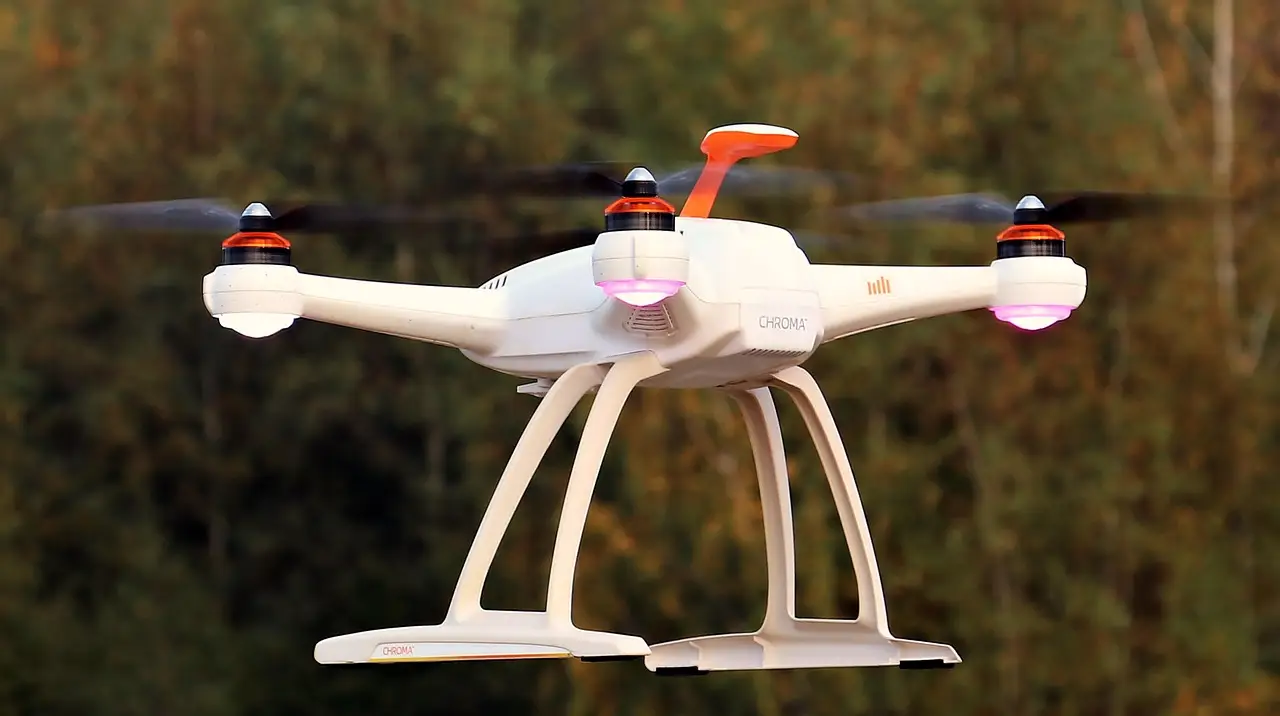
Nations meeting in Geneva agreed on Saturday to keep talking about AI-powered killer robots for two more years — and to nothing binding before 2028. The week-long, UN-backed conference on lethal autonomous weapons systems closed with a commitment to "elaborate" a possible accord, not the legally binding rules that UN Secretary-General António Guterres, many governments and activists had demanded.
The outcome hands practitioners a clear signal: no regulatory ceiling is coming soon on machines that can select and strike targets without human control.
What did the talks actually produce?
Scores of countries ended the conference by agreeing to continue work toward a possible agreement by 2028. They did not commit to negotiations on a treaty. Before the meeting, seven countries — Brazil, Austria, Belgium, Ireland, Mexico, New Zealand and Panama — had proposed launching negotiations on a rulebook that could prevent or limit the ability of machines to kill without human control or accountability. That effort fell short.
Activists pointed the finger at major military powers, above all Russia and the United States, for blocking stronger language. Both want a freer hand to develop high-tech weapons.
The campaign coalition Stop Killer Robots lamented a "watered-down mandate." Beatrice Fihn, founder of the international law advocacy group Lex International, described the decision as "pushing the can down the road for two more years." Max Tegmark, a machine learning specialist at MIT and founder of the Future of Life Institute, went further: "States have agreed it is sufficient to just talk about the issue, for the 14th year, while these weapons enable atrocities."
In short: the process survives, but it produces talk, not rules.
Why did a binding deal fail?
The talks took place under the Convention on Certain Conventional Weapons, a framework ratified by 128 countries where decisions require consensus. Any single country can thwart an agreement, which means any deal was always likely to settle on a low common denominator. Diplomats worked for a week inside a structure designed to let the slowest — or most reluctant — participant set the pace.
Brazil's ambassador, Frederico Meyer, whose country co-sponsored the failed push for negotiations, put the problem plainly: "Technology is moving faster than diplomacy. Diplomats are very slow."
Izumi Nakamitsu, the UN high representative for disarmament affairs, hailed a "significant achievement" but acknowledged a "glass half full or half empty" scenario — a nod to Guterres' hope for a legally binding deal this year. She offered the official view; the activists offered the counterview; the text of the agreement landed closer to the second.
The consensus rule, not the wording of any draft, decided this outcome.
How close are these weapons to real use?
Activists say armed drones that can independently strike targets have already been deployed in select instances in conflict zones, though a widespread rollout has not happened. Pope Leo XIV and many advocacy and humanitarian groups have framed the issue as an existential debate, urging quick action before autonomous weapons become too commonplace to regulate easily.
For weapons developers and military planners, that gap matters. Deployment so far is limited and experimental, but the technology is advancing without a legal constraint anywhere in the world. The 2028 target date for elaborating an accord leaves at least three years in which fielded systems face no treaty regime.
The stakes are not hypothetical, but they are not yet general.
What changes for the timeline?
Guterres, who leaves office at the end of the year, had set a 2026 deadline for launching negotiations toward an agreement on autonomous weapons systems. Saturday's result means that deadline will pass with no negotiation mandate in place. His successor inherits a process that has now run for 14 years without producing binding rules.
The broader context compounds the difficulty. Global conflicts and major military powers jockeying for dominance have made concrete diplomatic results harder to reach, and the same dynamics shaped this conference. The outcome underscored how much the consensus structure of the weapons convention constrains progress when the largest military actors prefer flexibility.
For now, the calendar, not the treaty text, is the only firm commitment: two more years of talks, a possible accord by 2028, and no binding rule on machines that kill without a human in the loop.
via feeds.npr.org (Source)
More from Marcus Bennett
Show full bio
News editor covering regulation, policy and their impact on general science news at SciBeat.
584 articles
Nearby plates
- Geneva autonomous-weapons talks yield two years, no new binding rules
- U.N. Talks in Geneva Take Aim at 'Killer Robots' Before It Is Too Late
- COP31 Signs Off on 'Sustainable AI' Pledge With 2030 Deadline
- COP31 fails on key decisions, Stiell urges stronger cooperation
- African Negotiators Reject COP31 Outcomes on Finance and Empowerment