Plate Nº 11 · recorded November 14, 2026
Earth & ClimateReported finding
UN Warns: Delaying El Niño Action Will Double the Bill to $73 Billion
Preparing for El Niño costs $36 billion; waiting costs $73 billion, UNDP chief Alexander De Croo warned at the Antalya climate talks, urging richer nations to fund adaptation now.
By James Calloway4 min read778 words
In brief
- Acting now against El Niño costs $36 billion; waiting costs $73 billion, UNDP chief Alexander De Croo told AFP on Friday.
- The African Development Bank estimates this El Niño cycle could cause $10–20 billion in damage across African countries.
- Latin America and the Caribbean face at least 2% cumulative GDP losses over three years, pushing 4.8 million more people into poverty.
- El Niño recurs every two to seven years, heating Pacific waters and shifting global weather patterns.
- The UNDP works with 47 countries to lower the cost of capital and attract climate investment.
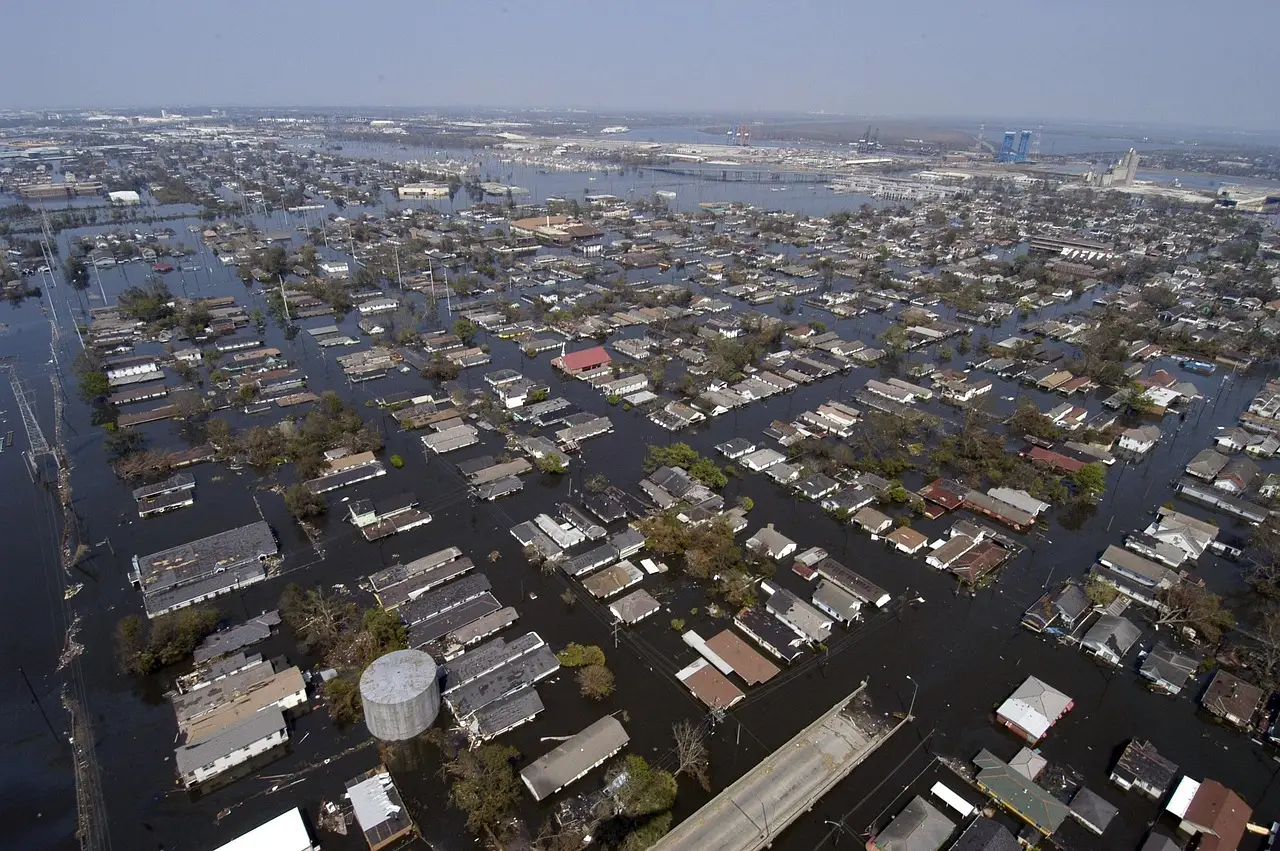
Acting now against El Niño costs $36 billion. Waiting costs $73 billion. That arithmetic — doing nothing is exactly twice as expensive — came from Alexander De Croo, head of the U.N. Development Programme, in an interview with AFP on Friday.
De Croo spoke at the U.N. climate conference in Antalya, Turkey, where funding climate action is one of the most contentious questions on the table.
"The needs to hedge the impact of El Niño are $36 billion if you do it now," De Croo said. "If you don't do it, the cost will be $73 billion. So the cost would be two times as high."
Then came the blunt framing. "And that's the choice, right? Do we want to anticipate and help people or are we going to wait and live with the consequences?"
What is El Niño, and why does this cycle matter?
El Niño is a recurring climate phenomenon that arrives every two to seven years. It heats Pacific Ocean waters starting in springtime, which shifts wind patterns, air pressure and rainfall worldwide over the following months.
The current cycle has been exceptionally strong. Weather disruption has hit crops, infrastructure and economies across the globe — with developing countries absorbing the hardest blows.
The numbers are stark. A UNDP report published this week, citing African Development Bank calculations, put potential damage from this El Niño cycle at $10 billion to $20 billion for African countries alone.
The U.N. Economic Commission for Latin America and the Caribbean estimated cumulative GDP losses of at least 2% over three years. That, the commission said, would push an additional 4.8 million people into poverty.
What does this change for developing countries?
Not much yet — and that is precisely De Croo's complaint. He called on delegations and major players such as the International Monetary Fund to finance mitigation efforts in the countries most vulnerable to El Niño. The argument: early investment saves lives, protects crops and infrastructure, and costs less money in the long run.
"Not acting is the most expensive climate policy that you could have," he warned.
But the ask is politically heavy. Developing countries want more financial support from richer nations, pointing to their historic responsibility for global warming. Wealthy governments, meanwhile, are wrestling with debt burdens and the costs of various wars. De Croo acknowledged the squeeze without pretending it away.
Crisis on top of crisis
De Croo's case rests on compounding shocks. Developing countries, he argued, have absorbed one blow after another without a pause for recovery.
"Since COVID, they've never had time to recover," he said. First the pandemic, then the economic upheaval of the war in Ukraine, then the closure of the Strait of Hormuz — "and now El Niño, and now the cost of financing."
Each crisis raised the price of the next. The UNDP's work now focuses on getting money to the developing countries worst hit by El Niño and softening that financial blow.
There is a familiar catch, and everyone in the room knows it. These same countries regularly denounce public and private funders who offer help only on terms that bury them in debt.
De Croo conceded the point. "The cost of capital sometimes is high, because there is a high level of uncertainty," he said. His proposed fix is unglamorous: policy reform and stable legal frameworks. "Investment is not coming to places where there is no trust."
The UNDP is already working on this with 47 countries, he said.
He also pitched climate spending as more than climate policy. "Tackling climate insecurity also helps in other types of insecurity," he argued — a claim that sounds expansive, though he offered no figures to back the wider security dividend.
Is it too late?
De Croo says no, with emphasis. "We can still do it," he stressed. "We need to shift much more toward adaptation investments."
Whatever adaptation costs, he added, the price of doing nothing will be "much, much higher."
A skeptic's caveat is warranted here. The $36 billion versus $73 billion comparison is a UNDP estimate, not an audited forecast, and the agency has an obvious institutional interest in the comparison landing hard. The African and Latin American damage figures come from separate bodies using different methods over different timeframes. Treat them as order-of-magnitude warnings, not line items.
Still, the direction of the argument is hard to dismiss. Every dollar of preparation, on the UNDP's math, avoids roughly two dollars of damage. The conference in Antalya now has to decide whether that math is persuasive enough to move actual money — and to whom, on what terms, and how fast.
via phys.org/rss-feed/ (Source)
More from James Calloway
Show full bio
Staff writer covering regulation, policy and their impact on general science news at SciBeat.
379 articles
Nearby plates
- NASA Satellites Track What May Be the Strongest El Niño Since 1950
- El Niño Will Push Global Temperatures Past 1.5 Degrees C
- NOAA Puts Odds of a Strong El Niño at 83% — and Two Systems May Fail Together
- 2026 on Track to Rank Among Four Hottest Years Ever Recorded
- Strong El Niño could push 2027 global temperatures to a record