Plate Nº 93 · recorded October 10, 2026
Science Policy & FundingReported finding
Washington Post maps damage to U.S. science in Trump's first year
The Washington Post has published a year-in-review titled 'Where U.S. science has been hit hardest after Trump's first year,' ranking impacts across agencies and research fields rather than treating all areas as equally affected.
By Marcus Bennett3 min read600 words
In brief
- The Washington Post published an analysis titled "Where U.S. science has been hit hardest after Trump's first year."
- The headline frames the piece as a comparative ranking of impacts across agencies and research communities, not a uniform survey.
- Year-one policy retrospectives face timing problems because budget proposals may not pass and executive orders can be enjoined before they take effect.
- U.S. federal research funding flows through NIH, NSF, NASA, 17 DOE national labs, NOAA, USGS, USDA research arms, and DOD basic research — meaning selective policy changes land unevenly.
- Year-one assessments typically understate long-term effects, since grants run for years and researcher departures produce permanent capacity loss.
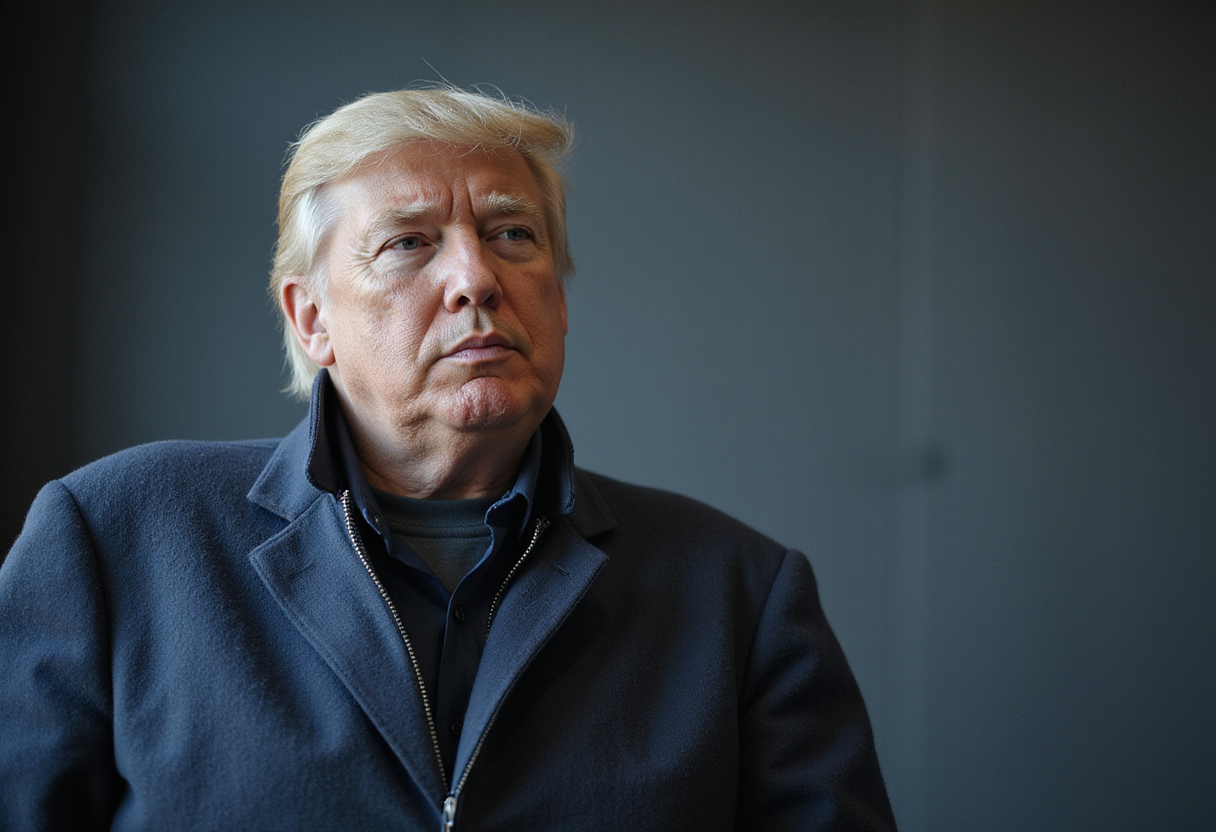
The Washington Post has published a year-in-review analysis examining how federal science policy and funding shifted during President Donald Trump's first year in office. The piece, titled "Where U.S. science has been hit hardest after Trump's first year," ranks impacts across agencies, fields, and research communities rather than describing the system as uniformly affected.
The headline alone reveals the analytical structure. By asking where impacts fell "hardest," the Post signals an approach common to beat reporting: identify which communities absorbed disproportionate shares of cuts, hiring freezes, or rule changes, then weigh them against less-affected neighbors.
Why are first-year retrospectives so hard to pin down?
A 12-month assessment faces timing problems. Budget proposals sometimes die in Congress. Executive orders can be enjoined. Agencies often trim positions through attrition and unfilled vacancies rather than visible layoffs, letting short-term impressions overstate realized losses.
Researchers also describe policy effects before those effects reach the data. Principal investigators, university research offices, and grant reviewers often report a climate of uncertainty that delays new applications, steers proposal language away from flagged topics, or pushes early-career scientists abroad. None of that shows up in a budget table, yet it can leave durable marks on the research enterprise.
How does U.S. science funding actually flow?
Federal research money moves through a distributed network. NIH, the largest single funder, supports biomedical research across most major U.S. universities and research hospitals. NSF underwrites a large share of federally supported basic research at colleges and universities, including much of the physical sciences, social sciences, and engineering work conducted outside national labs.
NASA's mission directorates, the Department of Energy's 17 national laboratories, NOAA, the U.S. Geological Survey, USDA's Agricultural Research Service, and the Defense Department's basic research office each operate separate funding streams. Together they support tens of thousands of federal scientists and a much larger contracted research workforce.
When policy concentrates on a few politically visible topics — climate measurement, environmental health, certain grant categories, or specific agency offices — the pressure lands unevenly. A researcher in an untouched field may notice little change. A colleague in a targeted program can lose current funding and access to ongoing multi-institution collaborations.
What does the headline confirm, and what does it leave out?
The headline shows that Post editors treat first-year impacts as non-uniform. The piece appears to take an agency-by-agency and field-by-field look, using comparative framing to surface communities whose losses exceeded the average.
It does not tell us which fields ranked highest, which grant programs lost the most dollars, or which agency leaders commented on record. Those specifics depend on the full Washington Post article, not the headline.
How does this fit with other first-year coverage?
The Post retrospective joins a wave of first-year science-policy appraisals that U.S. outlets published during the period. Science, Nature, AAAS, and Inside Higher Ed each applied their own methodology — some tracking grant counts, others surveying researcher sentiment, others counting departures and hiring freezes.
Year-one appraisals often understate long-term effects. The research pipeline depends on multi-year awards and long training cycles. A grant cut announced in year one may not empty an active lab until year three. A scientist who moves overseas in the early months of a new administration represents a permanent decline in domestic research capacity.
The Post's "hardest hit" framing tracks near-term damage — the kind of signal that surfaces in budget documents and grant-tracker databases before it appears in publication counts.
via Google News: Science Funding (Source)
More from Marcus Bennett
Nearby plates
- Trump Again Proposes Major Cuts to U.S. Science Spending
- US Federal Science Agencies Avoid Major Funding Cuts for 2026
- President's FY27 Budget Request Delivers More Bad News for Science
- White House Budget Proposal Takes Aim at Research Funding
- Trump Administration Proposes Massive Cuts to Science Budgets