Plate Nº 33 · recorded September 29, 2026
Science Policy & FundingReported finding
White House Moves to Take Control of N.I.H. Grants
The White House is moving to take control of N.I.H. grant decisions, shifting authority over roughly $47 billion in annual biomedical research funding away from career scientists.
By Priya Raman3 min read646 words
In brief
- The White House has moved to take control of grants issued by the National Institutes of Health, The New York Times reports.
- The N.I.H. distributes roughly $47 billion annually in competitive grants to universities, hospitals and laboratories.
- Grant decisions have traditionally been made by career scientists through merit-based peer review, insulated from politics.
- The exact scope of the change, which grants it affects, and possible legal or congressional challenges remain unclear.
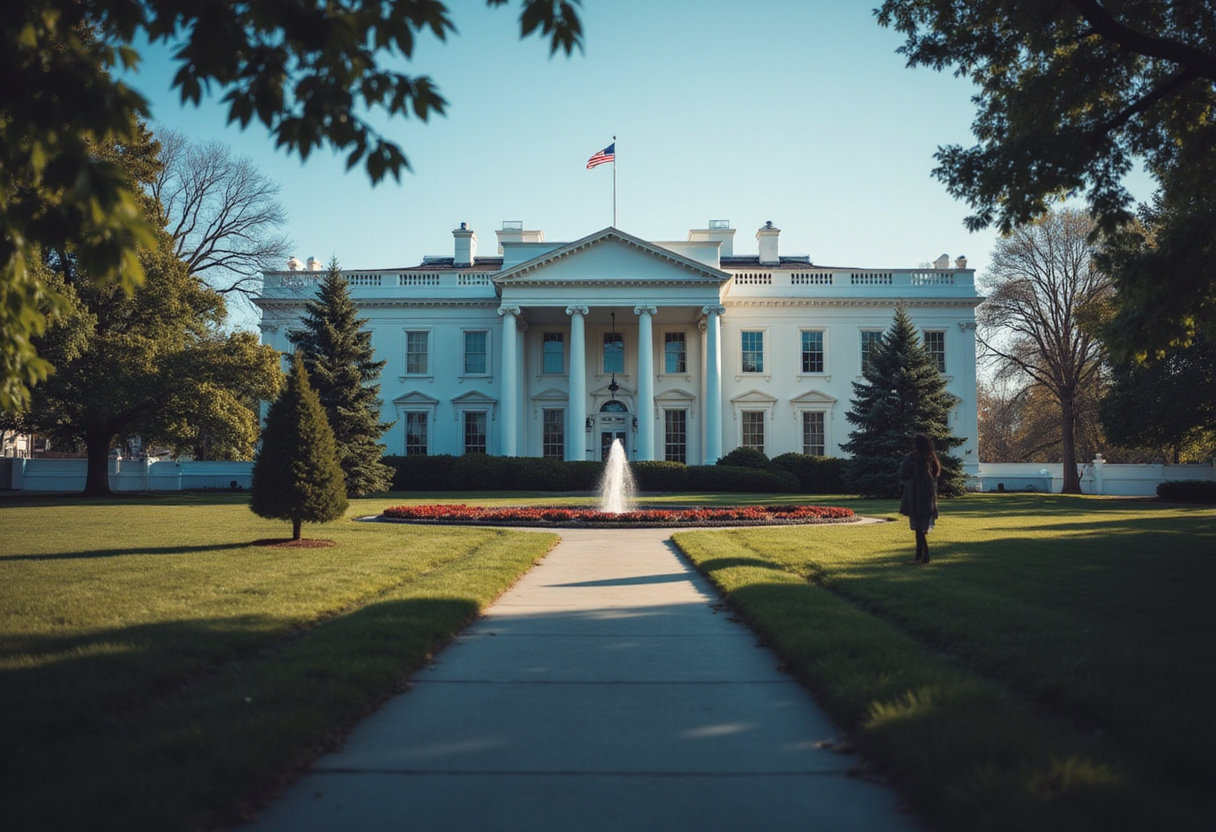
The White House has moved to take control of grants issued by the National Institutes of Health (N.I.H.), according to a report by The New York Times. The shift would hand the executive branch direct authority over a funding pipeline that has traditionally been managed by career scientists and peer reviewers.
The N.I.H. is the federal government's main engine for biomedical research. With an annual budget of roughly $47 billion, it funds tens of thousands of research projects across the United States — studies on cancer, Alzheimer's disease, infectious diseases and a wide range of other conditions. Most of that money leaves the agency as competitive grants to universities, hospitals and independent laboratories.
Until now, the process of deciding which projects receive money has been largely insulated from political influence. Researchers submit applications, panels of independent experts score them on scientific merit, and institute directors — career officials, not political appointees — sign off on the final awards. The White House's move would change that chain of command.
What the change means
Under the reported arrangement, grant decisions that were once made within the institutes themselves would fall under closer White House oversight. That raises the possibility that political priorities could weigh more heavily in choices about which science gets funded — and which does not.
The stakes are high. N.I.H. grants pay for a large share of the basic research conducted at American universities. Breakthroughs that later become drugs, vaccines and treatments routinely begin as N.I.H.-funded laboratory work that no pharmaceutical company would finance on its own, because the payoff is too uncertain and too far in the future.
Scientists have long argued that distance from politics is what makes the system work. Reviewers judge proposals on technical merit. Administrators allocate money based on those judgments. If the White House gains the power to direct grants, critics say, that merit-based firewall weakens.
Why the timing matters
The move fits a broader pattern of assertive executive control over federal science agencies. Policymakers in recent years have debated the balance between political accountability in government-funded research and the scientific independence that agencies like the N.I.H. have historically enjoyed.
Supporters of tighter oversight argue that elected officials should have a say in how taxpayer dollars are spent, especially on research topics that touch on contested social or political questions. Opponents counter that injecting politics into grant-making risks chilling research on subjects that fall out of favor with any given administration.
The practical effects will depend on how the new authority is used. If the White House simply reviews high-level budget priorities, day-to-day science may continue largely unchanged. If officials begin weighing in on individual grants, the character of American biomedical research funding could shift considerably.
The larger picture
The N.I.H. supports work in all 50 states. Its grants sustain laboratories, pay graduate students and postdoctoral researchers, and underpin clinical trials that enroll patients searching for new treatments. Any disruption to that funding stream sends ripples through universities and medical centers well beyond the Washington area.
The story is still developing, and key details remain unclear — including the exact scope of the White House's authority, which grants would be affected, and whether the change will face legal or congressional challenges. What is clear is the direction of travel: more direct political control over the machinery that decides how the United States invests in medical science.
For researchers who depend on N.I.H. funding, and for patients waiting on the results of federally supported research, the central question now is whether the world's largest public funder of biomedical research will continue to choose its projects the way it has for decades — through peer review and expert judgment — or by a new set of rules set at the White House.
via Google News: Science Funding (Source)
More from Priya Raman
Show full bio
Senior reporter covering industry trends and analytics at SciBeat.
57 articles
Nearby plates
- White House Proposal Would Give Political Appointees Final Say on Research Grants
- Scientists Overwhelmingly Oppose Rule Change on Grant Oversight
- Scientists Urge Congress to Act on Trump's Dismissal of Funding Agency Board
- President's FY27 Budget Request Delivers More Bad News for Science
- Survey of NIH-Funded Scientists Points to a Shaky U.S. Research Enterprise