Recorded November 23, 2026
Science Policy & FundingReported finding
140 Countries Adopt Indicators to Track Global Chemical Safety Targets
140 countries in Geneva adopted indicators for the Global Framework on Chemicals, extended its fund to 2035 and named four target industries, ahead of a 2030 deadline for 28 safety targets.
By Marcus Bennett3 min read559 words
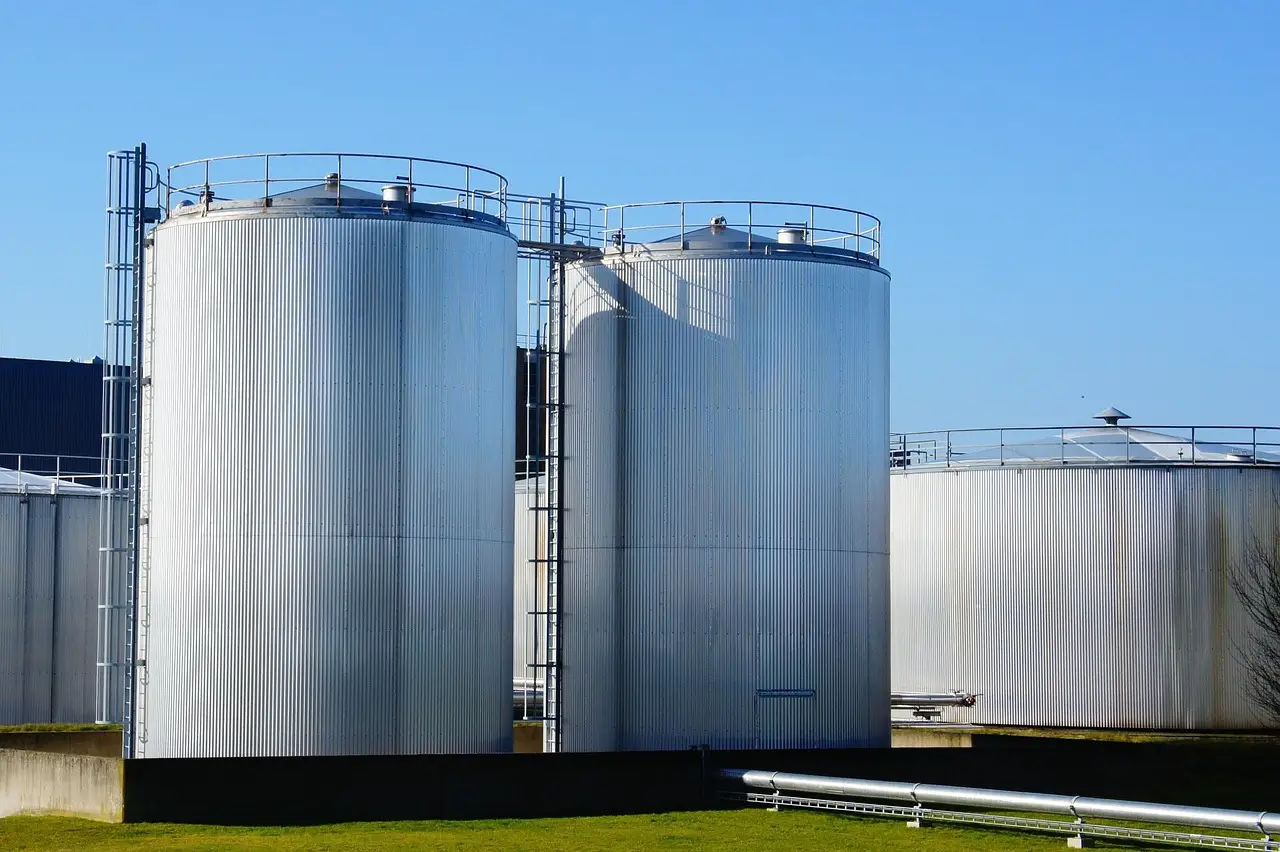
Representatives of 140 countries meeting in Geneva last week adopted concrete indicators for measuring progress under the Global Framework on Chemicals, the first progress check since the framework was adopted in Bonn three years ago by 110 nations.
The stakes behind the paperwork are large. Chemicals are involved in roughly 95% of manufactured goods, and global chemical production is projected to double from 2017 levels by 2030 — the same year most of the framework's 28 targets are meant to be reached. According to the United Nations Environment Programme (UNEP), the industry contributes an estimated $5.7 trillion to global GDP and supports about 120 million jobs worldwide.
What did the Geneva conference actually decide?
The meeting, held under UNEP, produced three main outcomes that countries and regulators can now act on.
- Progress indicators. Delegates adopted indicators to monitor progress on the framework's targets, giving governments a shared yardstick for the first time since the framework entered force.
- Implementation programs. The conference approved global programs on strengthening legal frameworks and institutional capacities for managing chemicals and waste, plus an industry-engagement track covering the construction, electronics, health and textiles sectors.
- Funding to 2035. The Global Chemicals Framework Fund was extended to 2035 to support implementation in developing countries.
For practitioners in chemical-dependent industries, the sector programs matter most: construction, electronics, health and textiles are now named targets of coordinated global engagement, which signals where compliance expectations and safer-alternative pressures will concentrate first.
What is the framework trying to achieve?
The Global Framework on Chemicals (GFC) pursues safe and sustainable management of chemicals throughout their life cycle — from production to disposal. It rests on five strategic objectives, including:
- Preventing illegal trade and trafficking of chemicals and waste
- Implementing national legal frameworks for chemical management
- Phasing out highly dangerous pesticides in agriculture by 2035
- Shifting toward safer and more sustainable chemical alternatives
- Managing chemicals responsibly across industry, health and agriculture
How will progress be measured?
Until now, the framework set targets without a common system for checking whether countries were meeting them. The indicators adopted in Geneva change that. UNEP chief Inger Andersen said the decisions "give countries and stakeholders a stronger basis for measuring progress, identifying where gaps remain and directing support where it is most needed."
The pesticide question moves next to a dedicated venue. The conference agreed to develop the Global Alliance on Highly Hazardous Pesticides at the framework's next gathering, scheduled for Malta in 2029.
What are the limitations?
The framework remains voluntary in nature, and adopting indicators does not by itself enforce anything. Translation into national law, sector practice and factory-floor change is where the real test lies — particularly in developing countries, which the extended fund is meant to support. Andersen put the timeline pressure bluntly: "There is no time to lose." She added that what matters now is "quickly translating these commitments into real action that delivers safer chemistry, cleaner production, healthier workplaces and economies that protect people and planet."
The 2030 deadline adds urgency. Most of the 28 targets fall due just as production doubles, meaning the safety challenge grows faster than linear with each passing year. Whether the Geneva indicators become a working scoreboard or a shelf document depends on what national regulators and the four named industries do before Malta.
The next checkpoint is fixed: Malta, 2029.
via phys.org/rss-feed/ (Source)
More from Marcus Bennett
Show full bio
News editor covering regulation, policy and their impact on general science news at SciBeat.
597 articles
Nearby plates
- 8,000-Plus Cities Outpace National Governments on Climate Targets
- Pharmaceuticals Found at 90% of River Sites Take UN Stage
- COP31 Mobilises Billions in Climate Finance Push from Antalya
- UN climate chief gives governments two years to deliver climate action
- Türkiye Launches Biogas Declaration 2026 at COP31 Climate Talks