Recorded November 23, 2026
Science Policy & FundingReported finding
NIH Retires Last 33 Research Chimps to Louisiana Sanctuary by 2027
NIH will move its final 33-34 research chimpanzees from Texas to Chimp Haven in Louisiana starting early 2027, ending federal chimp experimentation for good.
By Elena Vasquez3 min read567 words
In brief
- NIH will relocate 33-34 remaining research chimpanzees starting early 2027
- Destination is Chimp Haven, a 200-acre federal sanctuary in Keithville, Louisiana
- NIH pledged in November 2015 to retire all its chimpanzees to sanctuary
- After the 2027 transfers, no NIH-owned chimpanzees remain in U.S. labs
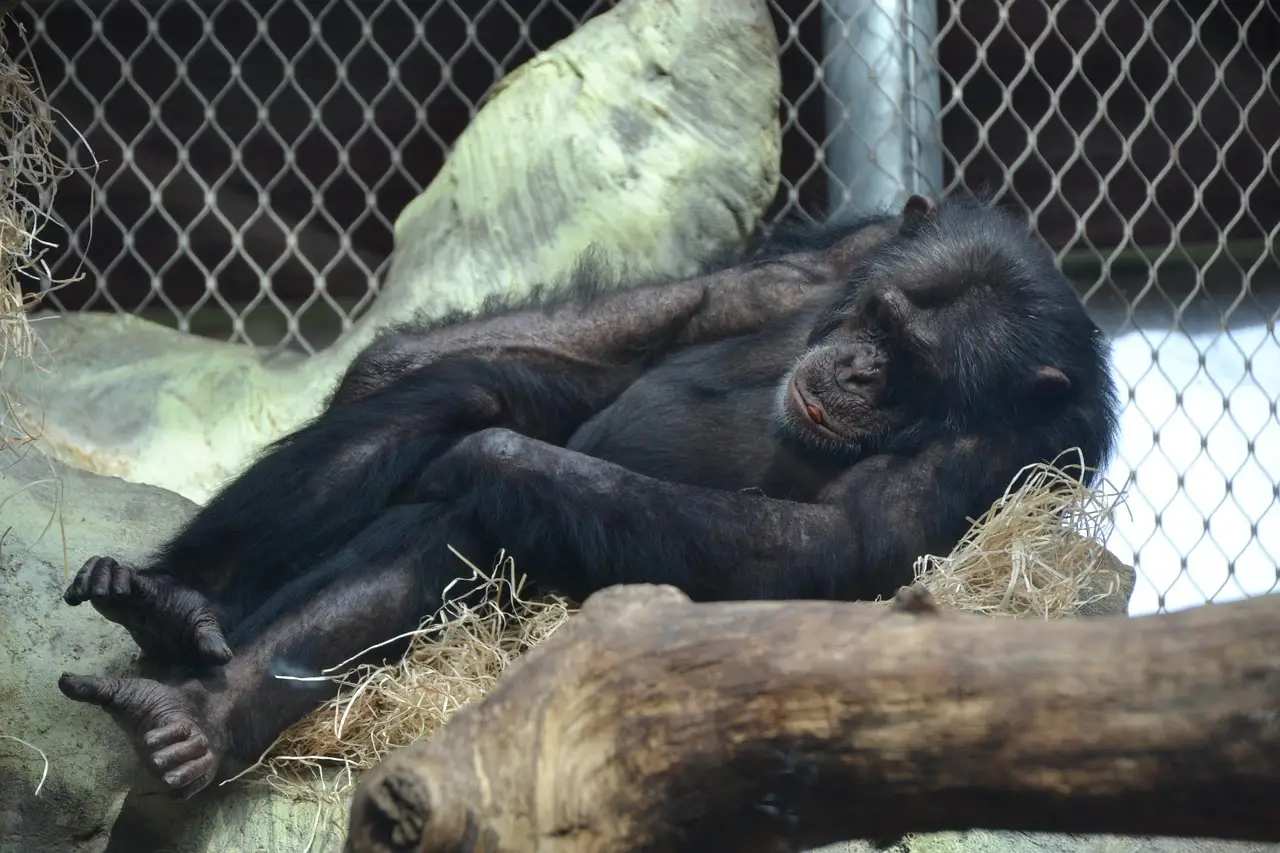
The National Institutes of Health will move its last 33 to 34 research chimpanzees out of a Texas facility and into a Louisiana sanctuary starting in early 2027, closing out a decade-long federal effort to end chimpanzee experimentation.
An agency directive issued by NIH Director Jay Bhattacharya sets the transfers in motion. The animals currently live at the Keeling Center for Comparative Medicine and Research in Bastrop, Texas. They will travel in batches to Chimp Haven, a 200-acre federal sanctuary in Keithville, Louisiana, with the goal of finishing the relocations by the end of 2027.
What did NIH leadership say?
"Completing their transfers will fulfill NIH's commitment, announced in November 2015, to retire all NIH-owned chimpanzees to sanctuary," Bhattacharya said in a statement.
That 2015 commitment, made ten years before the current schedule, promised that every NIH-owned chimpanzee would leave laboratory life for good. The directive now puts a firm timeline on the final chapter.
Bhattacharya also addressed the practical difficulties of moving aging animals. "Relocating chimpanzees is a complex process that requires careful consideration of each animal's needs. The health conditions of these chimpanzees increase the risk of adverse events during transport and adjustment to life at the sanctuary," he said.
He repeated the agency's core pledge: "NIH will plan and carry out these transfers with the chimpanzees' health and welfare at the forefront of every decision."
Why did the chimps stay in Texas so long?
The NIH formally ended invasive biomedical research on chimpanzees in 2015. Yet dozens of animals remained at the Texas facility for years afterward, because officials previously cited advanced age and fragile health as barriers to transport.
In other words, the same frailty that made the animals hard to move also kept them in place. Following internal reviews and consultations under the federal CHIMP Act, the law governing chimpanzee retirement, NIH leadership reversed course and decided relocation is the right path despite the risks.
Who is cheering, and who is worried?
Animal protection organizations, including Humane World for Animals and PETA, praised the decision as a historic victory. For the retired animals — many of whom spent decades in laboratories — the move means a chance to live outdoors in social groups.
Not everyone is fully at ease. Some biomedical research groups expressed concern that moving elderly primates away from familiar caregivers could carry health risks. The animals will leave staff they have known for years and face the stress of transport and a new environment.
The debate cuts to a real tension in the story: sanctuary life offers space and social living, but the transition itself carries medical risk for chimps in fragile condition.
What happens after 2027?
Once the final transfers wrap up in 2027, no NIH-owned chimpanzees will remain in U.S. laboratories. That's a first in the history of federal biomedical research, and it marks the formal end of an era that stretched across decades of experimentation.
The move also aligns with broader Trump administration efforts to curb animal testing and combat animal cruelty across federal agencies. The chimpanzee retirement stands as one visible piece of that wider policy push.
For now, the timeline is set. Batches of chimps will begin arriving at Chimp Haven in early 2027, with completion targeted by year's end. After a ten-year wait, the last federal research chimpanzees will finally get sanctuary life.
via wbrz.com (Source)
More from Elena Vasquez
Show full bio
Correspondent covering money, funding and market shifts around general science news at SciBeat.
612 articles
Nearby plates
- Monkey Models of Autism Face an Uncertain Future in U.S. Labs
- U.S. National Primate Research Centers Face an Uncertain Future
- Staffing Shortages at NIH Threaten This Year's Round of New Research Grants
- Drug Discovery News flags NIH crisis with biotech fallout
- Trump 2027 Budget Proposes $5 Billion Cut to NIH Funding