Plate Nº 79 · recorded November 18, 2026
Science Policy & FundingReported finding
African Groups Denounce Wildlife Carbon Markets as 'Carbon Colonialism'
African civil society groups reject wildlife carbon offsets, REDD+ expansion and the World Bank's Rhino Bond, warning of 'carbon colonialism' and demanding emissions cuts at source.
By James Calloway4 min read785 words
In brief
- African civil society groups issued a statement titled 'Defending Our Continent from Carbon Colonialism' rejecting wildlife-based carbon markets
- The groups cite an October 2026 European Parliament resolution seeking to integrate wildlife conservation into global climate policy
- They claim global forests became net carbon sources rather than sinks in 2023 and 2024
- The statement demands COP negotiators reject wildlife offsets and REDD+ schemes under Articles 5 and 6 of the Paris Agreement
- The World Bank's prototype Rhino Bond is specifically criticised as flawed and conflict-prone
By James Calloway
A coalition of African civil society organisations has formally rejected plans to expand global carbon markets through wildlife conservation, calling the trend a new form of colonialism that threatens sovereignty and community rights. Their statement, titled Defending Our Continent from Carbon Colonialism, was published as pressure grows to fold wildlife protection into global climate finance.
The accusations are pointed. The groups say wealthy countries, multinational corporations and international financial institutions want to turn Africa's forests, wildlife habitats and marine ecosystems into carbon offset assets, letting big polluters keep emitting while paying for conservation abroad. In plain terms: a company emits carbon dioxide at home, then buys credits representing carbon supposedly stored in an African forest or savannah.
"Africa is for Africans, not for the Global North's big polluters, who have destroyed the climate, are cooking our continent, and threaten the inhabitability of our planet," the statement declared.
What triggered the statement?
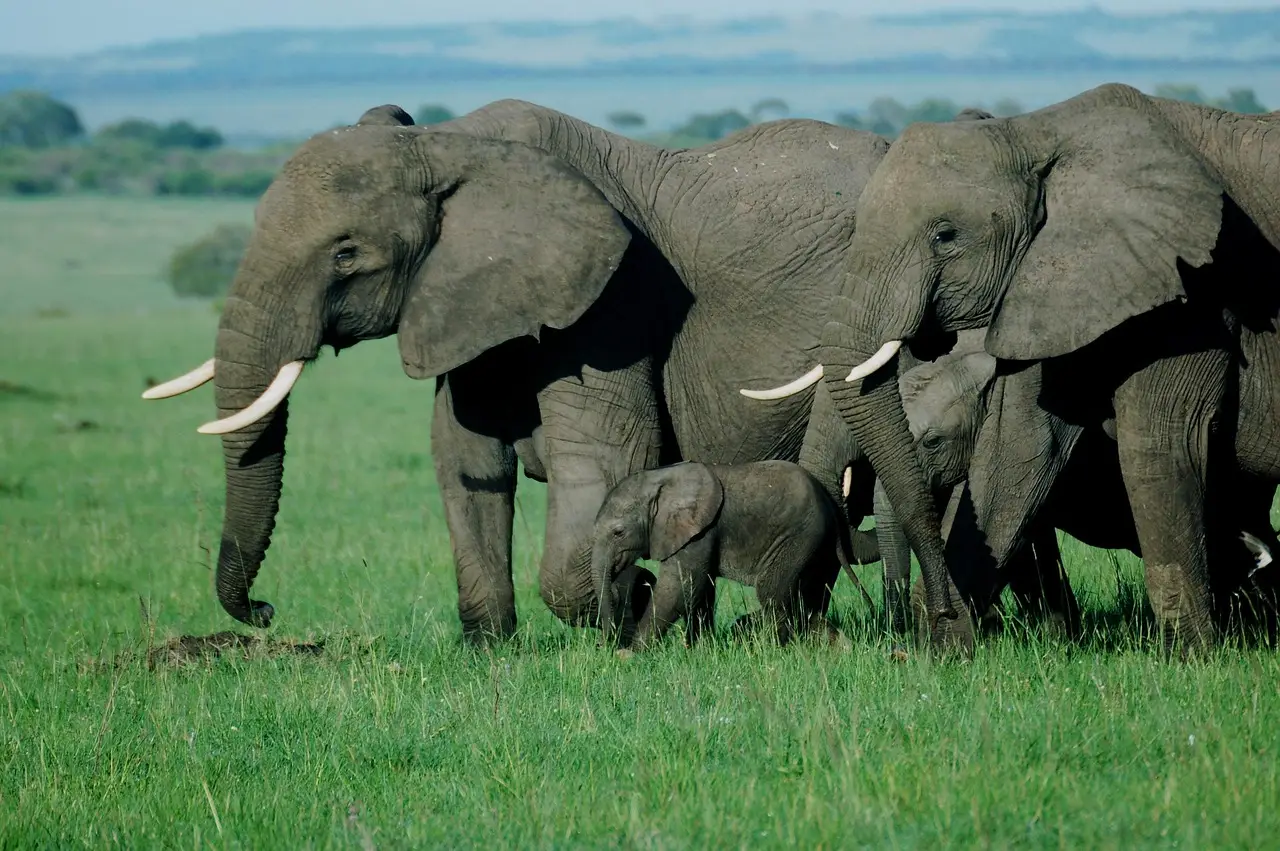
The organisations cite an October 2026 European Parliament resolution calling for the formal integration of wildlife conservation into global climate policy. In their reading, that initiative could convert wildlife habitats and migration corridors — those of elephants and wildebeests among them — into carbon offset projects run for the benefit of foreign investors.
They draw a blunt historical parallel: the 1885 Berlin Conference, where European powers partitioned Africa without Africans at the table. Carbon markets, they argue, repeat that pattern with forests instead of borders.
The groups also single out REDD+ — Reducing Emissions from Deforestation and Forest Degradation, a UN framework that pays countries to keep forests standing — as the template for emerging "premium wildlife carbon" schemes. They allege some REDD+-type projects facilitate extractive activities within project areas while threatening national sovereignty, customary land rights, women's rights and local livelihoods.
What about the financial instruments?
The rejection extends well beyond carbon credits. The statement criticises:
- Nature bonds and debt-for-nature swaps, which the groups say subject ecosystems to financial speculation. Debt-for-nature swaps, they argue, are another face of "debt colonialism" that could entangle African countries deeper in international carbon markets.
- The World Bank's prototype Rhino Bond, described as flawed, creating conflicts of interest and giving private investors chances to profit from wildlife conservation.
- Stuffed animal toys sold to fund conservation-linked carbon schemes, condemned as an inappropriate commercialisation of wildlife heritage.
Their core claim is philosophical as much as economic: attaching financial value to nature does not guarantee its protection. It risks turning ecosystems into commodities for financial markets.
"There are no alternatives to cutting greenhouse gas emissions at source," the organisations declared.
Is the science on their side?
Partially, and the claim deserves careful handling. The groups argue nature-based offsets are inadequate because ecosystems have limited capacity to absorb carbon dioxide. They cite studies indicating nature's carbon-absorption capacity peaked almost two decades ago, and claim global forests became net sources rather than sinks of carbon in 2023 and 2024.
Those are contested, fast-moving research areas — the statement attributes the findings to studies without naming them, which is worth noting. Still, the groups have urged the United Nations to acknowledge the limits of offsets outright. Their bottom line: offsetting creates a false impression that continued fossil fuel emissions can be compensated through conservation.
What does this change for climate negotiations?
That is the practical question, and the answer depends on who is listening. The statement demands that the Conferences of the Parties to the UN Framework Convention on Climate Change abandon carbon markets built on the commodification of nature, and specifically reject wildlife carbon offsets and REDD+ schemes linked to Articles 5 and 6 of the Paris Agreement. It also urges faster fossil fuel phase-out and calls on the UN Special Committee on Decolonization to expand its mandate to cover carbon colonialism.
None of that is binding. Civil society statements do not rewrite treaties. But the declaration adds weight to a growing chorus questioning who benefits from conservation finance — and it puts negotiators on notice that land rights, community participation and African control over natural resources are now squarely on the agenda.
"Our Big Cats are not to be used for a public relations make-over of beleaguered carbon markets," the statement said, adding: "Our Lion King belongs to Africa, and is our symbol, pride and heritage."
What is not said matters too. The statement names no specific projects beyond the Rhino Bond, and its scientific citations arrive secondhand. Readers should treat the emissions figures as claims worth verifying. But the underlying demand is hard to dismiss: wealthy countries and major polluters, the groups insist, must cut their own emissions rather than lean on African ecosystems to balance the ledger.
via environewsnigeria.com (Source)
More from James Calloway
Show full bio
Staff writer covering regulation, policy and their impact on general science news at SciBeat.
474 articles
Nearby plates
- Africa Demands $120 Billion a Year in Climate Finance at COP31
- COP31 climate loss and damage rules must go beyond borders
- COP17 Delivers $2 Billion in New Funding to Reverse Nature Loss
- Over 700 Organizations From 88 Countries Demand COP31 Just Transition Deal
- African groups demand equitable fossil fuel transition at COP31