Plate Nº 96 · recorded November 17, 2026
Earth & ClimateReported finding
Arctic Ice Cores Trace Toxic Metal Spike to Montana Smelter
Arsenic in Arctic ice hit 15 times pre-industrial levels between 1870 and 1914. Researchers trace the pollution to a Montana copper smelter emitting 30 tons of arsenic per day.
By Nathan Brooks3 min read671 words
In brief
- Arsenic concentrations in some Arctic ice cores were up to 15 times higher than pre-Industrial levels between roughly 1870 and 1914.
- Researchers estimated the Anaconda Copper Mining Company emitted about 30 tons of arsenic per day — four times what all of Chile's copper industry releases today.
- Pollution controls installed in 1919 cut arsenic emissions by about 60 percent.
- The team analyzed 10 ice cores from Canada, Greenland and Russia containing material dating back to 210 BCE.
- Findings were published November 3 in Nature Sustainability.
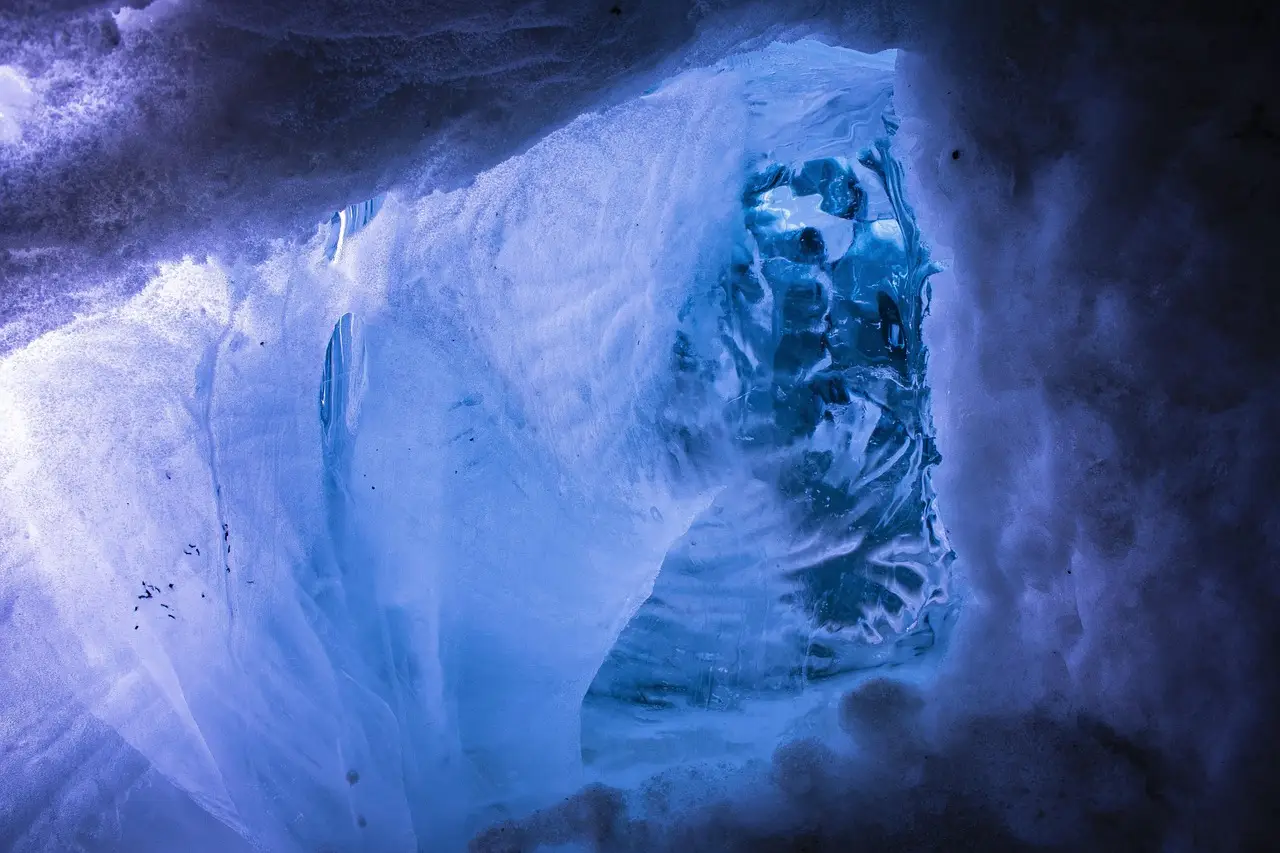
Arsenic locked in Arctic ice reached levels up to 15 times higher than pre-industrial baseline between roughly 1870 and 1914, researchers report November 3 in Nature Sustainability. The likely source: a single copper mining and smelting operation in Montana, the Anaconda Copper Mining Company.
That's the headline from a new analysis of 10 ice cores collected across Canada, Greenland and Russia. Joseph McConnell, an environmental scientist at the Desert Research Institute, and his colleagues found that one company may have pumped roughly 30 tons of arsenic into the atmosphere every day during the late 19th and early 20th centuries.
For scale: Chile, today the world's largest copper producer with more than 20 mining operations, collectively emits about a quarter as much arsenic as that single Montana facility did.
How does pollution end up in Arctic ice?
Ice cores work like time capsules. Tiny particles — pollutants, volcanic ash, salt from ocean spray — once circulated in the atmosphere and fell to Earth's surface within days or weeks. In polar regions, that fallout mixes with snow and gets preserved as layered ice, year after year.
The cores McConnell's team analyzed contained material dating back to 210 BCE. But the stretch covering the American Industrial Revolution, from about 1870 to 1914, stood out. Arsenic concentrations in some cores jumped dramatically compared with pre-industrial layers.
Heavy metals like arsenic and lead have been linked to declines in IQ and higher rates of certain cancers. So the team set out to find where all that arsenic came from.
What pointed the finger at Montana?
Geography gave the first clue. The largest arsenic increases showed up in the Greenland cores. Atmospheric circulation patterns tend to move material from west to east, so pollution from Asia or Europe would have left a bigger mark on the Russian Arctic.
"The only way you can explain that pattern of deposition is if the emissions are coming from North America," McConnell said. "Had it been from Europe, we would have seen much larger increases in the Russian Arctic."
The team's conclusion: the most likely source was the Anaconda Copper Mining Company's massive operation in southwestern Montana. It ranked among the largest in North America during the Industrial Revolution. Crucially, unlike other copper mines in the region, it processed ore naturally rich in heavy metals, including arsenic and lead.
The toxicity was no secret at the time. Fred Quivik, a historian and author of Smoke and Tailings, a book on the environmental history of copper smelting in Montana, said ranchers and farmers near the operation saw the consequences firsthand. "Ranchers and farmers started seeing their livestock die from arsenic poisoning," he said.
How much arsenic was actually released?
Combining the arsenic concentrations measured in the ice cores with models of how material disperses through the atmosphere, the team estimated the company's daily output at about 30 tons of arsenic.
Did anything stop the pollution?
Yes, but late. Beginning in 1919, the Anaconda Copper Mining Company installed devices near its smokestacks and other facilities to capture arsenic before it escaped. The ice core data showed emissions dropped by about 60 percent as a result.
The delay mattered. By 1919, hundreds of thousands of nearby residents had already been exposed for decades. McConnell argued the damage could have been reduced if the company had acted sooner. "They delayed installation for about a decade," he said.
What comes next?
The ice core record is preliminary evidence of exposure levels, not a measurement of health outcomes. McConnell and his team suggest combining the new data with census records to trace how this pollution affected human health in the 19th and 20th centuries.
"We hope that epidemiologists will take this information and really investigate potential impacts on human populations," McConnell said.
The company's former grounds are now designated as multiple Superfund sites, a federal cleanup program for contaminated land. The ice, meanwhile, keeps its record — and the dirtiest chapters are proving just as readable as the clean ones.
via sciencenews.org (Source)
More from Nathan Brooks
Show full bio
Market editor covering companies, deals and strategy in general science news at SciBeat.
456 articles
Nearby plates
- Arctic ice reveals century-old copper pollution across North America
- Arctic Ice Cores Trace Decades-Old Arsenic Pollution to One Montana Mine
- Seafloor Mud Shows West Antarctic Ice Collapsed in Past Warm Spells
- Arctic Melt Season Grew 40 Days Longer Since 1979—Then Stalled in 2010
- Ground Under West Antarctica Rising 2 Inches a Year, Model Shows Why