Recorded November 23, 2026
Health & Medicine ResearchReported finding
Arm Cuff Blood Pressure Tests May Underestimate Top Reading
Cambridge researchers say an arm cuff can read the top blood pressure number low because low pressure below the cuff keeps the artery closed longer — a mechanism demonstrated in a lab model.
By Elena Vasquez3 min read637 words
In brief
- Up to 30% of people with high blood pressure may be missed by current testing, an estimate the researchers caution is not a cuff error rate
- The University of Cambridge study, published in PNAS Nexus, used a physical artery model rather than rubber tubing
- Stopping blood flow with the cuff creates unusually low pressure below it, delaying the sound used to identify the top reading
- Arm-positioning fixes suggested by the study still need patient testing before clinical use
By Elena Vasquez
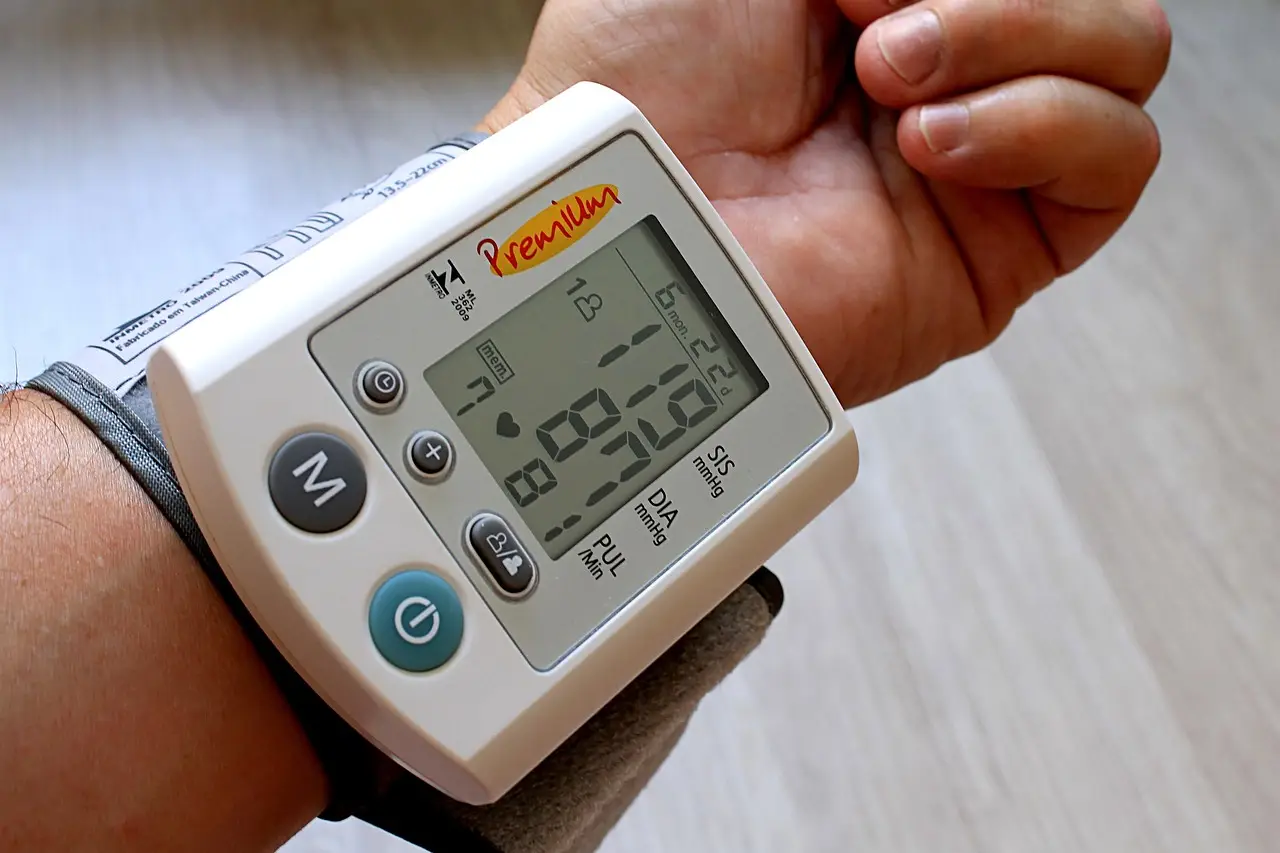
The standard arm-cuff blood pressure test can underestimate the top — systolic — number, and researchers at the University of Cambridge say they now have a physical explanation for why. Their work, published in PNAS Nexus, points to a pressure quirk inside the artery itself. The finding matters because missed readings can mean missed diagnoses.
What did the researchers find?
Blood pressure describes the force of blood pushing against artery walls. The top number measures pressure while the heart beats; the bottom number measures pressure between beats. High blood pressure often causes no obvious symptoms, yet it can quietly damage the heart, brain and kidneys over time. That's why doctors lean heavily on the cuff reading to decide whether further testing or treatment is needed.
The Cambridge team built a physical model of an artery to study what happens during a cuff test. Ordinary rubber tubing, the kind often used in lab simulations, doesn't behave like a real blood vessel when squeezed. Real arteries flatten in a specific way under pressure, so the researchers constructed a model that reproduces that flattening more faithfully.
Their experiments produced a clear result. When the cuff stops blood flow, unusually low pressure builds up in the section of the arm below the cuff. That low-pressure zone can hold the artery closed for longer as the cuff deflates, delaying the sound clinicians listen for when identifying the top reading. The artery, in effect, stays shut past the point it should reopen.
The bottom line: the upper number may come out lower than the true pressure.
How big is the problem?
The stakes are real but easy to overstate, and the researchers were careful about the distinction. Estimates suggest that up to 30% of people with high blood pressure may be missed by current testing. That figure should not be read as proof that 30% of all cuff readings are wrong — it's an estimate of missed cases across the population, not a failure rate for the device on your arm.
The mechanism the Cambridge team identified could contribute to those missed diagnoses. Could, not does. The work comes from a physical model, not from large-scale patient trials, and the authors themselves frame it as a possible explanation rather than a settled one.
One sentence to hold onto: the familiar cuff may read low for a reason scientists can now demonstrate in the lab.
Could a change in technique fix it?
The same study explored whether changes in arm positioning could reduce the pressure difference that causes the problem. It's an appealing idea — a free fix, no new equipment. But the researchers were direct about its status: these ideas need testing in patients before they become routine clinical practice. Lab findings don't automatically transfer to the clinic.
Until that testing happens, standard advice still applies:
- Sit quietly before a reading
- Keep your feet flat on the floor
- Support the arm at heart level
- Use a properly sized cuff
None of that is new, and none of it is optional. Technique errors have long been a known source of bad readings, separate from the newly described artery mechanism.
What should patients do now?
Don't diagnose yourself off one number. A single unusual result should never be the only basis for a diagnosis, the guidance stresses. Repeated measurements — taken at home or monitored over 24 hours — give clinicians a far more reliable picture of what a person's blood pressure actually does across a day.
That advice predates this study, but the Cambridge findings give it extra weight. If the cuff can structurally underestimate the top number, then one clinic reading is an even shakier foundation than previously assumed.
The takeaway in plain words: keep the cuff, follow the rules, and never trust a single reading.
via knowridge.com (Source)
More from Elena Vasquez
Show full bio
Correspondent covering money, funding and market shifts around general science news at SciBeat.
592 articles
Nearby plates
- Letting Your Arm Hang During a Blood Pressure Check Can Add 6.5 mmHg
- 107,000-Person Study: Which Blood Pressure Number Predicts Heart Risk?
- Top Blood Pressure Number Under 130 May Protect Aging Hearts
- Google AI Smartwatch System Beats Office Cuff at Catching Hypertension
- AI Search Tools Give Unreliable Answers on Blood Pressure Monitor Validation