Recorded November 20, 2026
Earth & ClimateReported finding
Climate finance reached $28.2 billion, far below $305 billion needed
Rich countries paid developing nations $28.2 billion for climate adaptation in 2024, far below the UN's estimated $305 billion annual need ahead of November talks in Turkey.
By James Calloway4 min read716 words
In brief
- Developed countries provided $28.2 billion in climate finance to developing countries in 2024, up $1 billion.
- The UN estimates that developing countries need $305 billion each year for adaptation.
- The COP29 pledge made in Baku is $300 billion a year, and the report says countries remain off track.
- The next round of climate talks runs November 9-20 in Turkey.
- Global temperatures are projected to exceed 1.5°C (2.7°F) within a few years.
By James Calloway
What did the UN report find?
Rich countries provided developing countries with $28.2 billion in climate finance in 2024, according to the UN’s 2026 Adaptation Gap Report, released Wednesday, Nov. 4. The report says rich countries are “falling well short” of the $305 billion needed each year to help nations adapt to climate change.
Funding from developed countries rose by $1 billion. That is the clearest sign of progress in the report, but it does not change the scale of the shortfall. The gap did not close.
Climate finance, in this report, means money developed countries provide to developing countries for adaptation. Adaptation means preparing for climate harm. The report points to two ways to do that: restoring ecosystems and strengthening infrastructure.
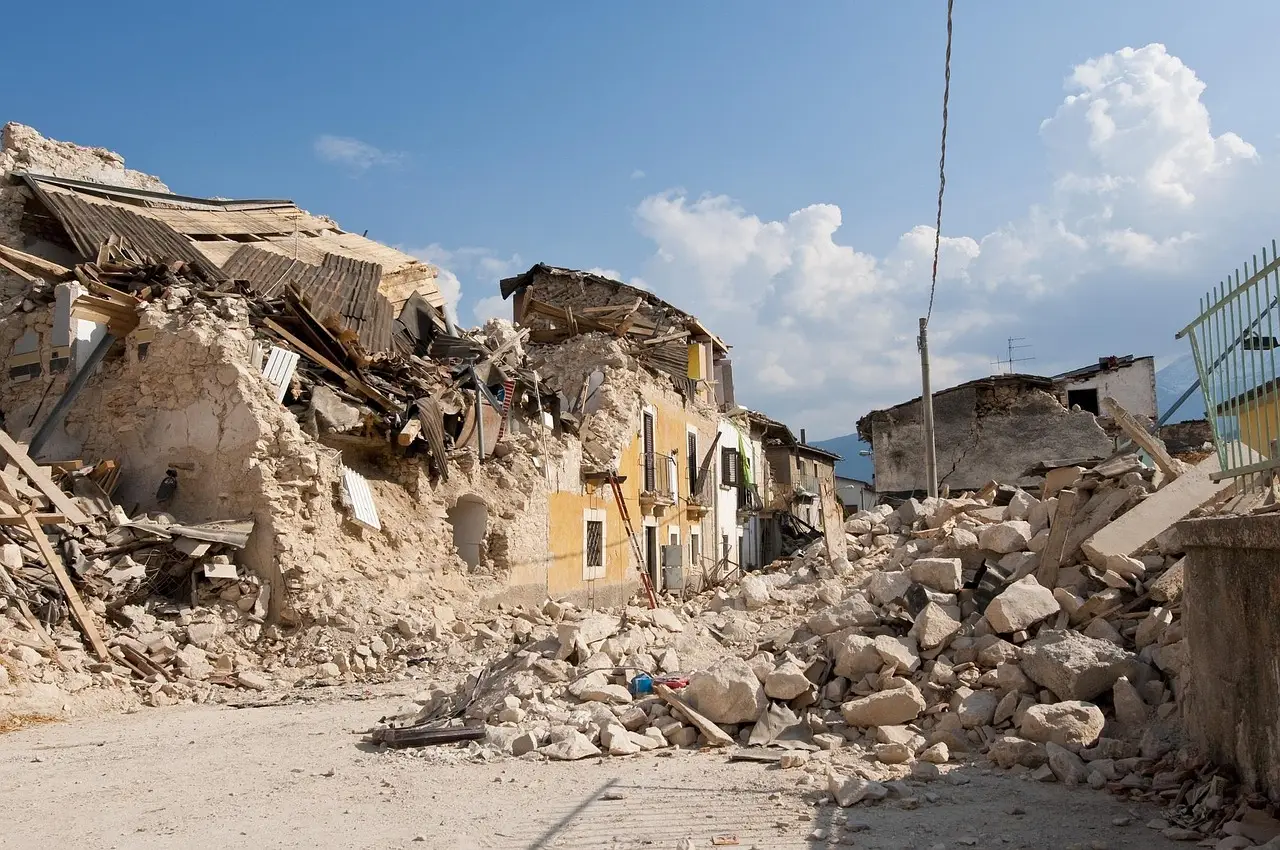
The gap matters because the report says poorer nations need help coping with worsening heatwaves, droughts, wildfires and floods. It also says extreme weather events are becoming more frequent and severe. Less adaptation money can mean less capacity to prepare and respond; that is a risk, not a measured outcome for every country.
The report’s headline figures are:
- Climate finance from developed countries in 2024: $28.2 billion.
- Increase from the previous year: $1 billion.
- UN estimate of annual adaptation needs: $305 billion.
- COP29 annual pledge to developing countries: $300 billion.
- Next climate talks: November 9-20, in Turkey.
Those comparisons supply perspective. The 2024 payment covered only a small fraction of the UN estimate. The COP29 promise sat close to the benchmark too. The problem is delivery.
The report adds a faster-moving risk: global temperatures are projected to exceed the critical 1.5 degrees Celsius (2.7 degrees Fahrenheit) threshold within a few years. The UN says countries need to accelerate adaptation by restoring ecosystems and strengthening infrastructure.
Development banks are investing more in adaptation, according to the report. That is a directional signal, but the cited figures do not name banks, quantify the increase or provide a timetable. The trend alone does not show whether it closes any part of the gap.
Why do the November talks matter?
Countries are preparing to meet in Turkey on November 9 through 20 for the next round of climate talks. Negotiators will examine why nations remain off track to meet a COP29 pledge made in Baku to deliver $300 billion a year in climate finance to developing countries.
That pledge sits close to the UN’s estimated requirement of $305 billion a year. Numerically, the promise nearly reaches the benchmark. Practically, the report says delivery falls far behind. Pledges are not payments.
The meeting can scrutinize the gap between promise and delivery. It cannot, by itself, close that gap. Actual funding will determine whether the slower-than-needed pace changes.
What does the evidence not establish?
The $28.2 billion figure shows the scale of the reported payments. It does not, on its own, show which countries received the money, when the funds arrived or what projects they financed. Nor does a total demonstrate that adaptation projects have reduced losses from a specific heatwave, drought, wildfire or flood.
The $305 billion requirement is a UN estimate; the $300 billion COP29 figure is a pledge. Neither number should be treated as proof of money delivered. That distinction is small in a spreadsheet and large in a country trying to prepare.
The increased investment from development banks has the same limitation when stated without a total. A trend can be meaningful without being large enough to fill the gap. The report gives no basis here for claiming that it does.
What does this change for people in developing countries?
For now, the practical change is modest: the funding increase did not close the gap. Developing countries still received $28.2 billion in reported annual climate finance against an estimated $305 billion need.
The immediate issue is the amount of resources available to governments and communities coping with worsening heatwaves, droughts, wildfires and floods. On the UN’s estimates, that support remains far below the scale required.
The November talks matter because negotiators will focus on the reason countries have not delivered the COP29 promise. Until money arrives and adaptation work gets underway, another pledge changes little on the ground.
The $1 billion rise is welcome. The gap remains the story.
via climatedepot.com (Source)
More from James Calloway
Show full bio
Staff writer covering regulation, policy and their impact on general science news at SciBeat.
570 articles
Nearby plates
- COP31 Endgame: $120 Billion Adaptation Finance Target at Stake
- COP31 climate loss and damage rules must go beyond borders
- UN Climate Chief: $300 Billion Pledge Won't Work Without Finance Reform
- African Ministers Demand $120 Billion a Year in Climate Adaptation Finance
- Africa Demands $120 Billion a Year in Climate Finance at COP31