Recorded November 22, 2026
Earth & ClimateReported finding
African Ministers Demand $120 Billion a Year in Climate Adaptation Finance
African ministers at COP31 in Antalya demand $120 billion a year by 2035 in adaptation finance, warning that unfulfilled promises will erode trust in the Paris Agreement.
By Marcus Bennett3 min read699 words
In brief
- African ministers from 54 countries demand at least US$120 billion annually in adaptation finance by 2035.
- Adaptation finance needs are estimated at roughly US$35 billion annually by 2050.
- Africa's tripling-adaptation-finance proposal was initially left off the official COP31 agenda.
- More than 600 million people in Africa lack access to electricity.
- Ministers warned that failure to honour commitments would erode trust in the multilateral climate process.
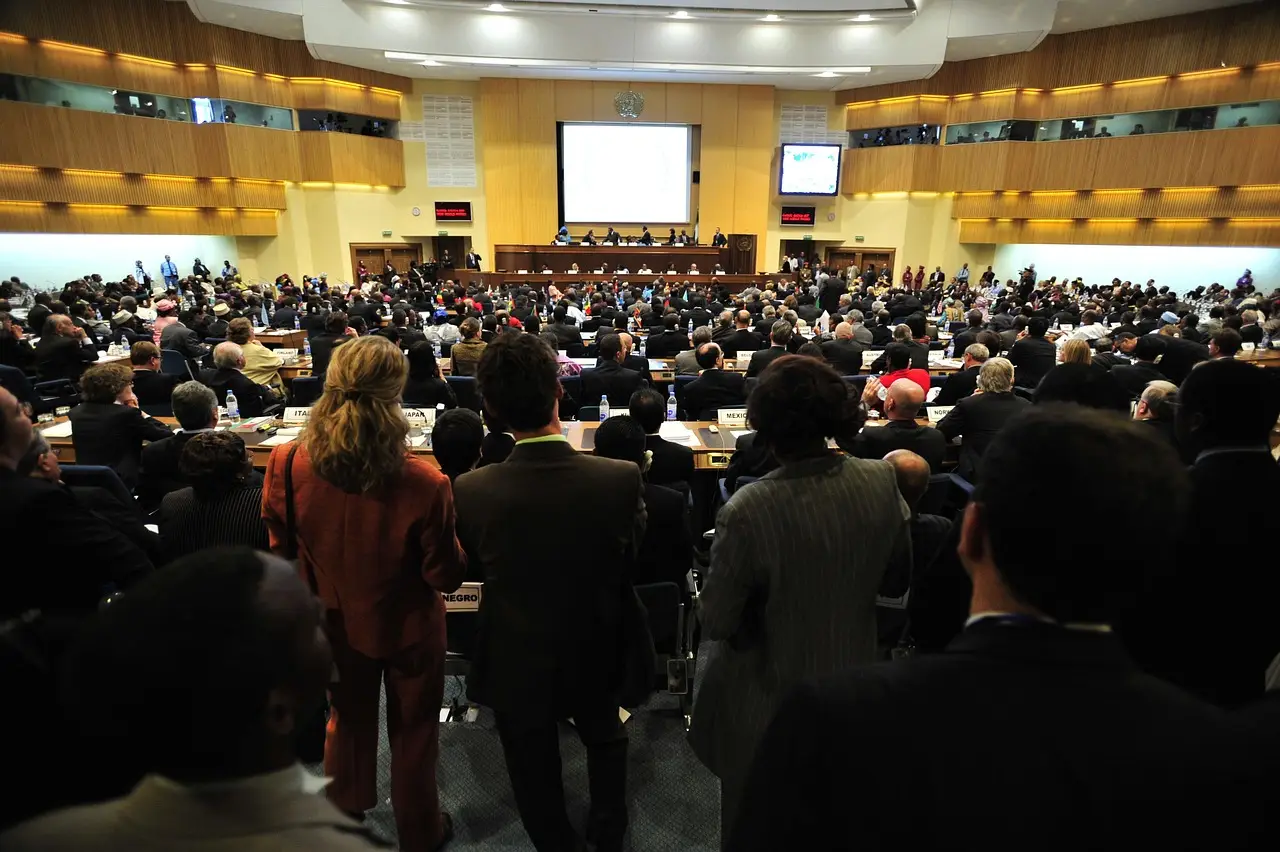
African ministers representing 54 countries have demanded at least US$120 billion a year in adaptation finance by 2035, warning on the final day of COP31 in Antalya, Türkiye, that another climate summit ending in declarations without money would erode trust in the entire multilateral process.
The ministers, from Ghana, Kenya, Zambia, Senegal and Sierra Leone, spoke at a press conference that cast Africa not as an applicant for aid but as a creditor calling in commitments already made under the Paris Agreement.
What did the ministers actually ask for?
Their demands for the final COP31 outcome were specific:
- Operationalise the commitment to triple adaptation finance.
- Set at least US$120 billion annually by 2035 as the initial benchmark for that tripling.
- Establish a clear baseline, measurable milestones, public tracking and a delivery plan.
- Keep adaptation finance and the climate finance work programme central to the agreement, with measurable and time-bound commitments.
- Ensure political "cover decisions" do not replace concrete agreements from the formal negotiation tracks.
The ministers cited estimates that adaptation finance needs in developing countries will reach roughly US$35 billion annually by 2050 — a figure that already dwarfs what is currently available.
How did the negotiations play out?
Africa arrived at COP31 seeking a credible pathway towards tripling adaptation finance. The proposal was initially left off the official agenda. African negotiators responded by sustaining pressure across the various negotiation tracks to secure progress, the ministers said.
Ghana's Minister of Environment, Science and Technology, Dr. Zanetor Agyeman-Rawlings, said the continent had come to demand what was rightfully due to its people rather than appeal for assistance. She accused developed countries of building barriers to climate finance through restrictive conditions, shifting goalposts and delays.
"We're here on behalf of over a billion people who are supposed to be the custodians of this framework, but it seems we've been excluded, not through technicalities, but through inaccessible finance, the use of shifting goalposts and non-delivery of promises," she said.
She added: "We cannot keep changing the agreement to fit what developed countries want. Then there is no purpose in having an agreement if we keep shifting the goalposts."
Her warning carried weight for practitioners: financial targets without implementation arrangements, timelines and accountability mechanisms will do little to address the continent's vulnerabilities, the ministers said.
What is at stake on the ground?
Kenya's Cabinet Secretary for Environment, Climate Change and Forestry, Dr. Deborah Mlongo Barasa, described consequences already visible across African communities: food and water insecurity, declining agricultural production, livestock losses and humanitarian emergencies.
She cited farmers recording reduced harvests, pastoralists losing herds, and flooding that has disrupted health and education services. In some areas, submerged schools have kept children out of classrooms, while health facilities struggle to deliver essential services, including immunisation.
She also flagged the continent's energy access gap: more than 600 million Africans still lack electricity. The global energy transition, she argued, must come with adequate resources to expand access while allowing countries to pursue sustainable development.
For affected communities, adaptation, loss and damage financing decide whether they can recover and build resilience.
What does a 'just transition' mean for Africa?
Zambia's Minister of Green Economy and Environment, Gilbert Siame, called for a just transition framework that recognises Africa's development priorities. He stressed that the continent must not carry transition requirements that undermine employment, economic growth and the development of natural resources.
Africa is particularly focused on fair terms for extracting and processing the critical minerals the global energy transition requires. The ministers want African countries to move beyond supplying raw materials and build the capacity to process and use those resources locally.
In their framing, a credible transition protects workers and communities, creates economic opportunities, and comes backed by finance, technology transfer and capacity building.
The ministers said Africa stands ready to work constructively with the COP31 Presidency and other parties towards an ambitious agreement. But they were explicit about the test they will apply: not the declarations adopted at the conference, but whether commitments turn into resources that protect lives, sustain livelihoods and support the continent's development.
For now, the money remains the message.
via environewsnigeria.com (Source)
More from Marcus Bennett
Show full bio
News editor covering regulation, policy and their impact on general science news at SciBeat.
584 articles
Nearby plates
- COP31 Endgame: $120 Billion Adaptation Finance Target at Stake
- Africa Demands $120 Billion a Year in Climate Finance at COP31
- Africa presses COP31 for climate finance as talks enter decisive phase
- Carbon markets could fund climate adaptation, but barriers remain
- COP31 climate loss and damage rules must go beyond borders