Recorded November 24, 2026
Biology & EvolutionReported finding
Competition, Not Just Climate, Drove Human Evolution, Study Finds
A Cambridge study finds the Homo genus broke a core rule of vertebrate evolution: more species meant faster speciation, not slower. Competition, not just climate, may explain it.
By Elena Vasquez4 min read867 words
In brief
- Homo sapiens coexisted with at least five other hominin species, including Neanderthals and Denisovans.
- About 20 hominin species are known, half discovered in the last 30 years.
- The 2024 Cambridge study found the Homo genus speciated faster as species diversity rose, unlike other vertebrates.
- The database covered roughly 385 dated fossil occurrences; Australopithecus anamensis and afarensis may have overlapped 500,000 years.
- November 2026 studies place Homo erectus in southern China's rainforests 324,000-184,000 years ago.
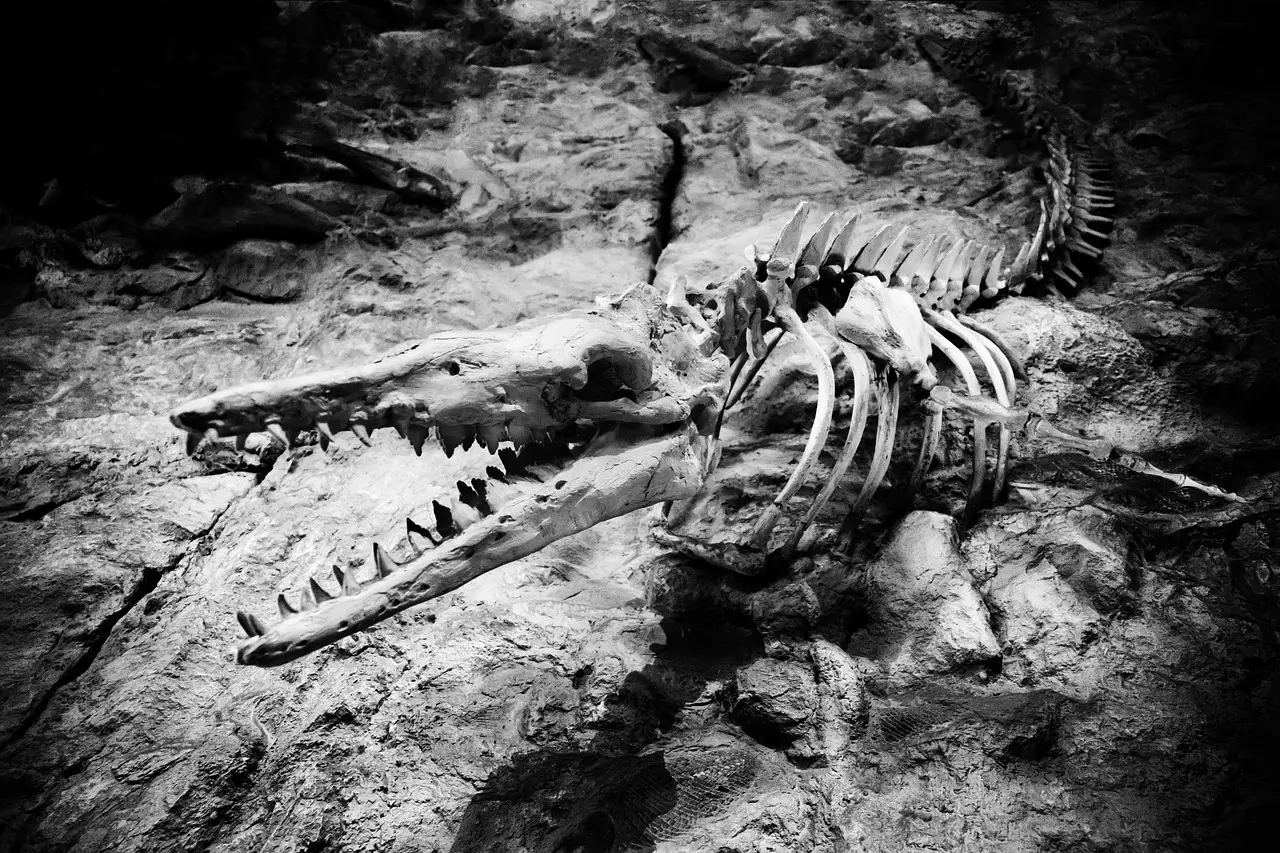
At least five other human species shared the planet with Homo sapiens — and a 2024 Cambridge study argues competition among them, more than climate, shaped our evolutionary tree. The findings appeared in the journal Nature Ecology & Evolution.
Dr. Laura van Holstein, a biological anthropologist at the University of Cambridge and the study's lead author, said the field has long underestimated a key force. "We have been ignoring the way competition between species has shaped our own evolutionary tree," she said. "The effect of climate on hominin species is only part of the story."
What makes the finding unusual?
For decades, palaeontologists blamed climate change for the appearance and disappearance of hominin species. The Cambridge analysis points elsewhere.
In most vertebrates, competition suppresses speciation — the process by which one population splits into two — once ecological niches fill up. Species emerge fast when competition is minimal, then the pace slows as rivals crowd the landscape. The Homo genus defied that rule.
"The more species of Homo there were, the higher the rate of speciation," van Holstein said. "This is almost unparalleled in evolutionary science." She called the pattern "bizarre."
The closest parallel comes from island-dwelling beetles, which show similarly odd speciation dynamics because of their isolated environments.
How many humans were there?
Homo sapiens shared the Earth with Neanderthals, Denisovans, Homo floresiensis in Indonesia, Homo luzonensis in the Philippines, and Homo naledi in South Africa. That's at least five cousin species, and possibly more.
All trace back to a common ancestor that appeared roughly six to eight million years ago. Scientists currently know of about 20 hominin species, but half of those came to light in just the last 30 years. More discoveries are expected — if the funding holds.
How did the researchers work around a spotty fossil record?
Van Holstein built a new database cataloging roughly 385 "occurrences" in the hominin fossil record — instances where species samples were found and dated.
Fossils have limits, though. Fossilization depends heavily on geology and local climate, whether hot, dry, or damp. Research also clusters in certain regions of the globe, meaning younger or older fossils likely sit undiscovered elsewhere. "We won't necessarily discover the earliest members of a species with the first fossil we find," van Holstein explained.
To compensate, she used data modeling that factored in probable population sizes at the start and end of each species' existence, plus environmental effects on fossilization. That approach redrew the temporal boundaries for most known hominin species.
The model also challenged an old idea: that some species evolved through "anagenesis," gradually turning into another species without branching. Instead, many species may have "budded" — a new species split off while the original lived on. Researchers once thought Australopithecus afarensis evolved directly from Australopithecus anamensis, for example. The new estimates suggest the two coexisted for about half a million years.
More coexistence means more competition. Early hominins like Paranthropus likely evolved new physical traits, such as adaptations for different foods. Our own genus took a different route.
Did technology give Homo an edge?
The researchers argue that stone tools, fire, and advanced hunting techniques let a species adapt and occupy new niches without slowly evolving new anatomy.
Picture two species competing for the same food. One animal lineage might evolve specialized teeth or a new digestive system over many generations. A human population could invent a tool or learn a new hunting technique instead, opening fresh opportunities without waiting for anatomical change.
Populations moving into different environments could also become geographically isolated over generations, creating further chances for evolutionary divergence. That, the team suggests, may explain why Homo diversified so unusually.
Eventually only one Homo species remained: Homo sapiens, the quintessential generalist. Competition with our species may have helped push the others out, though climate change, small population sizes, and interbreeding all complicate that story.
"These results show that, although it has been conventionally ignored, competition played an important role in human evolution overall," van Holstein said. "Perhaps most interestingly, in our own genus it played a role unlike that across any other vertebrate lineage known so far."
What else have we learned recently?
Two November 2026 studies in Nature found that Homo erectus survived in the tropical rainforests of southern China between 324,000 and 184,000 years ago — far later than previously established for mainland Asia.
Researchers examined fossil teeth from two caves in Guangxi province. Chemical fingerprints in the teeth showed these humans lived in dense tropical forests, environments once considered especially hostile to any species but our own. Some individuals may have crossed extensive forested terrain, potentially reaching parts of what is now Southeast Asia.
Those studies don't prove competition drove human evolution. But they show our relatives' environmental range was likely far broader than the fossil record first suggested. Long before Homo sapiens spread across the globe, other humans were already settling some of the planet's toughest terrain. The real surprise isn't how different we are from them. It's how much we had in common.
All figures and findings above are preliminary in the usual sense of paleontology: the fossil record remains incomplete, and future discoveries will keep redrawing the family tree.
via zmescience.com (Source)
More from Elena Vasquez
Show full bio
Correspondent covering money, funding and market shifts around general science news at SciBeat.
618 articles
Nearby plates
- Fossil record links marine diversity peaks to climate state
- Half of These Rainforest Ferns Are Under Six Million Years Old
- Flashy Courtship Traits Evolve Twice as Fast as Combat Weapons
- Simulations suggest Homo sapiens may have driven Neanderthal extinction
- Those Weren't Dire Wolves, Scientists Say — Just Edited Grey Wolves