Recorded November 24, 2026
Biology & EvolutionReported finding
California Holds 61,000-Plus Insect Species, DNA Survey Finds
A DNA barcoding survey of over a million insects found 42,000 genetic groups in California, with modelling suggesting nearly 20,000 species remain undiscovered across the state.
By Nathan Brooks3 min read623 words
In brief
- Researchers identified more than 42,000 distinct insect genetic groups in California from over a million specimens.
- Statistical modelling put the state's estimated total at 61,000 or more species, with nearly 20,000 still undocumented.
- Sampling covered 72 sites across 13 of California's 14 ecoregions, plus 454 additional locations.
- Only about a quarter of specimens could be assigned a formal species name so far.
- The study is the first output of the £4.5m ($6m) California Insect Barcode Initiative, published in the journal Ecography.
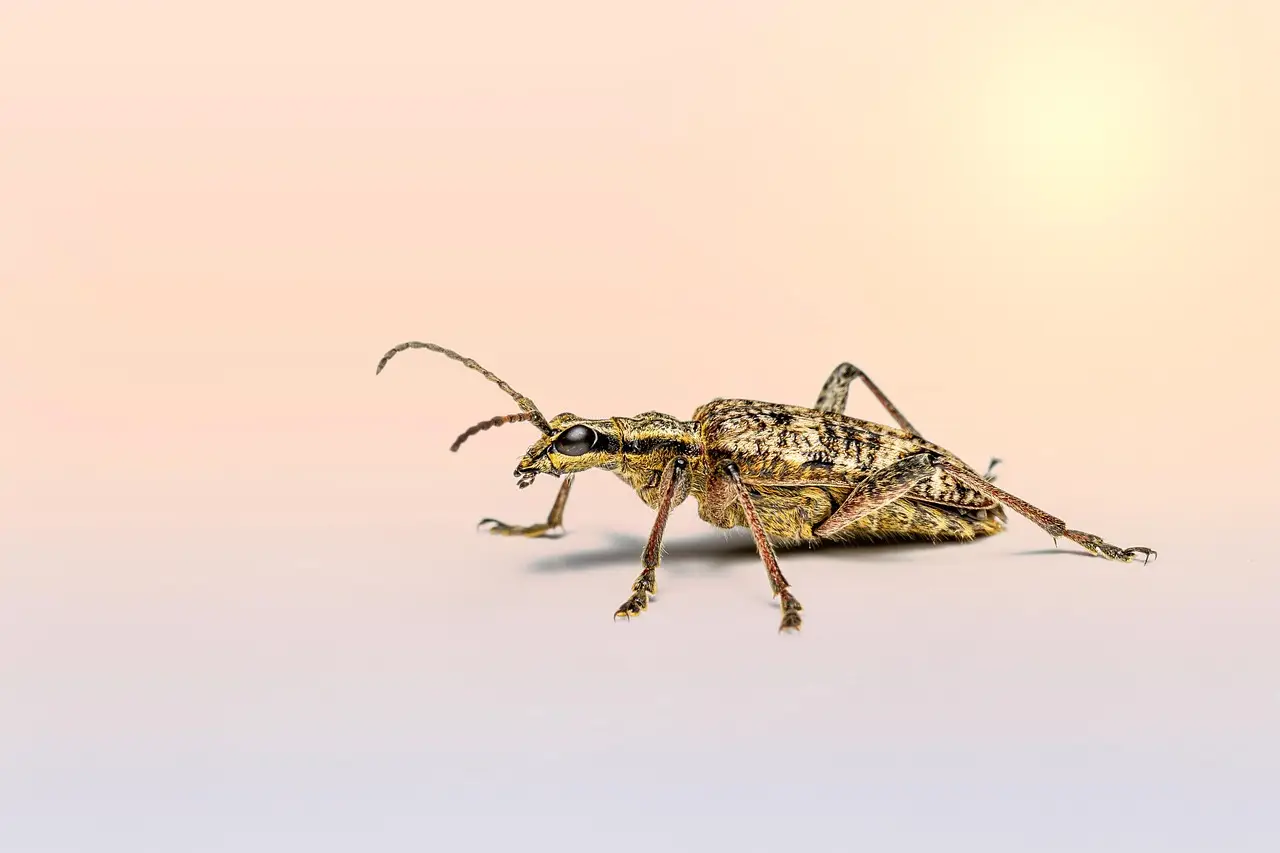
Scientists have identified more than 42,000 distinct genetic groups of insects in California, and they estimate nearly 20,000 more species are still waiting to be found. The tally comes from the Natural History Museum of Los Angeles County, whose team attempted to read the DNA of more than a million insects caught in traps across the state.
The numbers are striking. Statistical modelling suggested the survey had captured only around two-thirds of California's insect species, putting the estimated total at 61,000 or more. That's roughly 40% more insect life than the previous picture suggested — a leap that changes how conservationists should size up the state's wild habitats.
The research was published in the journal Ecography. It marks the first publication from the California Insect Barcode Initiative, a £4.5m ($6m) project that aims to build a DNA barcode library covering every insect species in the state.
How do you count a million insects?
The team used a technique called DNA barcoding. In plain terms, researchers read a short section of each specimen's genetic code and used the differences between those sections to sort the insects into distinct genetic groups. It's a faster way to separate lookalike species than traditional microscope-based taxonomy.
There's a catch, though. Genetic groups don't always match formally recognised species. So far, only about a quarter of the specimens in the study could be assigned a formal species name — the rest are, for now, unnamed genetic clusters that likely correspond to species science hasn't formally described yet.
The sampling effort was vast. Insects were collected at 72 sites across 13 of California's 14 major ecoregions — areas with similar ecosystems — with additional sampling at 454 locations using methods including sweep nets and light traps. Much of the work relied on volunteers: in one case, two people helped maintain a trap in a high desert for more than three years.
What did the map show?
The researchers produced a heat map of estimated insect species richness across California, square kilometre by square kilometre. Lighter colours mark richer areas; grey areas have been sampled but not yet sequenced, and white areas haven't been sampled at all.
One finding stood out: even areas with similar climates and geography hosted very different insect communities. In other words, you can't assume that two comparable patches of habitat will share the same bugs — each place may hold its own distinct set of species, which raises the stakes for protecting many separate sites rather than a few.
Among the insects recorded in the Mojave Desert ecoregion were a grass-veneer moth (Agriphila attenuata), a mossy-green cutworm moth (Viridiseptis marina) and a jewel beetle (Polycesta aruensis).
Is the estimate too low?
Probably, the researchers say. They described their 61,000 figure as a conservative minimum. Most of the sampling relied on Malaise traps, which are tent-like structures that mainly catch flying insects — so ground-dwelling and non-flying species are likely undercounted.
The team also flagged the conservation angle. "The vast gulf between the earlier and new estimates of insect life deepens the urgency of conserving the wild places these insects call home," a representative for the researchers said.
Does this fit a bigger pattern?
It does. A study published in PNAS in June estimated there are at least 14 million insect species on Earth, and possibly 20 million or more. That's two to three times the long-standing consensus estimate of about 6 million species worldwide.
Both results point the same direction: the world's insect inventory is far less complete than scientists assumed, and California's 20,000-odd undocumented species are just one slice of the gap.
via sciencefocus.com (Source)
More from Nathan Brooks
Show full bio
Market editor covering companies, deals and strategy in general science news at SciBeat.
591 articles
Nearby plates
- Colombia's First National Bee Checklist Counts 738 Species
- Over 80% of Insect Species Live in the Tropics. Science Keeps Missing Them
- One Supergene Decides If a Moss Ant Queen Grows Wings
- Nearly 2,100 Species Found Living Inside US and Canadian Homes
- Flesh-eating screwworm resurfaces in Texas and New Mexico