Recorded November 22, 2026
Biology & EvolutionReported finding
Nearly 2,100 Species Found Living Inside US and Canadian Homes
The largest study of indoor wildlife to date logged 23,782 records covering nearly 2,100 species in US and Canadian homes, from Asian lady beetles to one garage alligator.
By Elena Vasquez4 min read876 words
In brief
- Researchers compiled 23,782 records covering nearly 2,100 species found in indoor spaces in the US and Canada.
- The study, published in Ecology (2026), drew on citizen-science photos submitted via iNaturalist through the Never Home Alone project.
- Asian lady beetles were the most common species; house centipedes ranked third.
- Hundreds of spider species were recorded, including more than 1,000 observations of comb-footed spiders.
- Dozens of entomologists and arachnologists verified the taxonomic identifications.
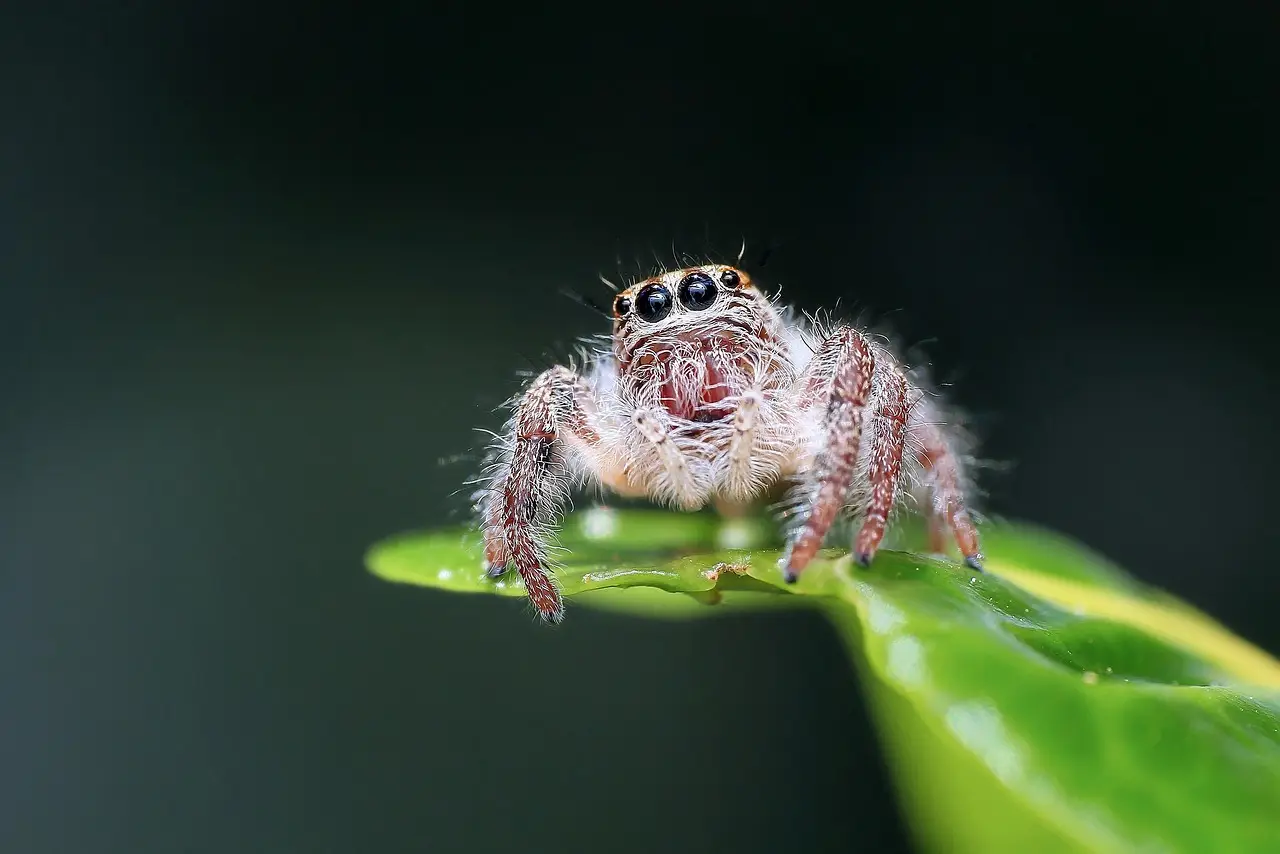
Nearly 2,100 species of insects, spiders and other organisms share our indoor spaces, according to the largest study to date of wildlife in homes and other buildings across the United States and Canada. The database behind the work holds 23,782 records, and it includes everything from Asian lady beetles—an outright champion of indoor living—to an alligator that turned up in one participant's garage.
The study, led by an international research team, is published in the journal Ecology. The full dataset is openly available on Zenodo, and the project itself, called Never Home Alone, is still collecting observations.
"While researchers have focused significant attention on a variety of natural ecosystems—from rainforest canopies to the deep sea—we know remarkably little about the ecosystems of man-made, indoor environments," says Bradley Allf, corresponding author of the paper, who began the project as a graduate student at North Carolina State University.
"Our goal with this work was to treat the indoors, at the continental scale, as an ecosystem that we wanted to explore as ecologists," says Allf, now a postdoctoral researcher at Colorado State University.
How do you count what's crawling in the living room?
The researchers couldn't inspect every home themselves. So they crowdsourced. Using the online platform iNaturalist, where the public uploads photos and video of organisms, they asked people to photograph wild organisms inside their homes, offices and other indoor spaces.
The ground rules were simple. "Wild organisms" meant anything living that was neither a pet nor a potted plant. Participants then submitted their photos to the Never Home Alone project through iNaturalist.
The effort ultimately drew observations spanning at least five continents. For this paper, the team narrowed its focus to the US and Canada subset: 23,782 records covering almost 2,100 species. Each entry records where and when the photo was taken, plus taxonomic information identifying the organism in it.
Getting the identifications right took human expertise. The project recruited dozens of entomologists, arachnologists and other specialists to verify the taxonomy.
"This work underscores the value of natural history expertise and the ability to identify species, which is a skill set that is less common among biologists than it once was," Allf says.
The takeaway: ordinary people with cameras, backed by experts, can map an ecosystem scientists had largely ignored.
What's actually in there?
Asian lady beetles topped the list as the most commonly found species. House centipedes ranked third. Comb-footed spiders logged more than 1,000 observations—a family most people have never heard of, the researchers note.
"The organisms we found ranged from Asian lady beetles—which were the most commonly found species—to an alligator that unexpectedly turned up in one person's garage," says Allf. "But one of the things that was striking was how common predator species were—including hundreds of different spider species."
Some of these housemates work for a living. One participant described jumping spiders as working animals because they actively cut down populations of flies and other unwanted pests.
"And you can find some pretty amazing stuff in your living room," Allf says.
The predators, though, are the pattern worth watching. Hundreds of spider species hunting indoors suggests these spaces host real food webs, not just stray visitors.
Why does a species list matter?
Senior author Rob Dunn, a professor of entomology and plant pathology at NC State, frames the dataset as a starting point. "Once we know what's there, we can begin asking additional questions," he says. "Why are these organisms there? What are they doing? Are they beneficial? But knowing what's there is the first step."
The researchers see several research paths ahead:
- How outdoor climate shapes which species appear indoors
- How many indoor species arrived there by accident
- Which species are genuinely adapted to thrive in man-made structures
- How indoor ecosystems change over time, using this dataset as a baseline
If new species start appearing—or familiar ones disappear—that shift will itself raise new questions.
Dunn points to house centipedes as a gap in the science. They were the third most commonly found animals, yet he is not aware of anyone studying them.
Some indoor organisms may even prove useful. Camel crickets, for example, carry a microbe that can break down paper products. "What else might be out there, in our own homes?" Dunn asks.
There's a cultural loss at stake too, Dunn argues. Most people could scan a list of the most common indoor species and not recognize the animals—creatures they live alongside every day. "This is a stark departure from what we would have expected historically, when our ancestors would have been more aware of the living things around them," he says. "That's something we lost. And this is a first step toward regaining that understanding."
The project remains open. "People can still submit observations to Never Home Alone," Allf says. "The more data the project collects, the more insight we'll have on the unique and growing ecosystem of the great indoors."
The paper is Bradley C. Allf et al., "The biodiversity of human dwellings: A dataset of 24,000 observations of indoor life in the United States and Canada," Ecology (2026).
via phys.org/rss-feed/ (Source)
More from Elena Vasquez
Show full bio
Correspondent covering money, funding and market shifts around general science news at SciBeat.
592 articles
Nearby plates
- Over 80% of Insect Species Live in the Tropics. Science Keeps Missing Them
- Bonn researchers report two-stage sleep in jumping spiders
- Insects Keep Vertebrates Alive as Food, Medicine and Home Builders
- Tracking 4,581 Animals Reveals a Hidden Human Effect on Wildlife
- Outside forests may matter more to birds than habitat within parks