Plate Nº 57 · recorded November 16, 2026
Earth & ClimateReported finding
COP31: 24 Countries Back Antalya Plan to Fight Wildfires
Twenty-four countries back the voluntary Antalya Action Plan at COP31, sharing early-warning tools and training on wildfire response — but with no budget, deadline or enforcement attached.
By James Calloway4 min read704 words
In brief
- The Antalya Action Plan on Integrated Fire Management launched at COP31 on November 16, 2026, with 24 participating countries; Türkiye leads, Brazil and the Republic of Korea co-lead.
- Fires caused 42 per cent of global tree cover loss in 2025 and were the leading driver of tropical primary forest loss in 2024 for the first time on record.
- An estimated 8 billion tonnes of CO2 was released by fires in 2024–2025, roughly a year of global transport emissions.
- Extreme wildfire events are projected to increase by up to 50 per cent by the end of the century without action, threatening the 2030 goal of halting and reversing forest loss.
- The plan sets four priorities — cooperation and resource sharing; adaptive and natural landscape management; data-driven prevention, early warning and traditional fire practices; and expanded access to training and technology.
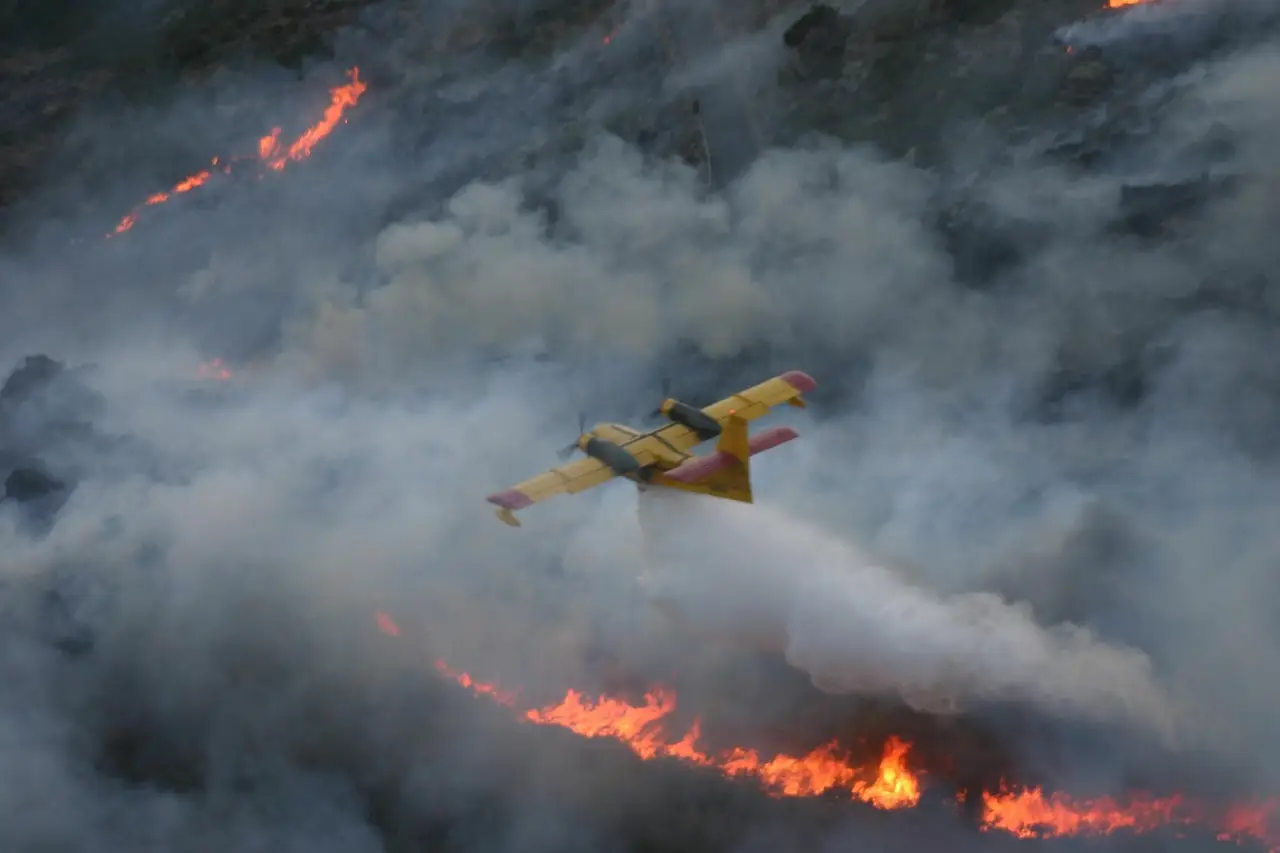
Twenty-four countries are now backing a voluntary plan to curb extreme wildfires, launched at COP31 on Monday, November 16, 2026, with Türkiye as lead and Brazil and the Republic of Korea as co-leads. The document, the Antalya Action Plan on Integrated Fire Management, creates no new legal, financial or administrative obligations. That is the point, and also the problem.
The numbers behind it are sobering. In 2024, extreme wildfire became the leading driver of tropical primary forest loss for the first time on record. In 2025, fires accounted for 42 per cent of tree cover loss globally. Between 2024 and 2025, fires released an estimated 8 billion tonnes of carbon dioxide — roughly a year of global transport emissions.
Absent action, extreme wildfire events are projected to increase by up to 50 per cent by the end of the century, putting the global goal of halting and reversing forest loss by 2030 within reach of being missed. The same intensification raises growing risks for economic resilience and human health.
What is the Antalya Action Plan, in plain terms?
It is a voluntary framework for sharing methods, not a treaty with teeth. Participating countries commit to cooperation, shared expertise, and wider access to the technology, training and resources needed to prevent, prepare for, respond to and recover from wildfires. Organisers describe the outcome as a "community of countries" working together. Read plainly: no binding rules, no tribunal, no budget line.
Reporting and showcasing run through the Global Fire Management Hub Secretariat, which will host country demonstrations of progress, new approaches and initiatives. The stated aim is to translate international commitments into action — a softer promise than the commitments it collects.
What does it build on?
The plan compiles rather than invents. It leans on four instruments from 2025: the Istanbul Report on Integrated Fire Management, the Belém Call to Action on Integrated Fire Management and Wildfire Resilience at COP30, the G7 Kananaskis Wildfire Charter, and a resolution on wildfire management from the seventh session of the UN Environment Assembly.
What are the four priorities?
- International cooperation, mutual assistance and resource sharing — neighbouring fire services lending each other crews, aircraft and know-how before flames cross a border.
- Adaptive approaches and natural landscape management — managing vegetation and land so fuels carry less heat and burn less severely.
- Data-driven risk reduction, prevention, early warning and traditional fire practices — the satellite monitoring and knowledge-based burning that many communities already use.
- Expanded access to resources, training and technology — equipment and expertise for countries that cannot buy either on their own.
What does this change for communities on the fire line?
For households living beside bush that burns, the practical change is real but modest: earlier warnings drawn from shared monitoring, more training and equipment, and a wider pool of peers running the same experiments. New national policies, satellite monitoring and community-led fire management were among the measures showcased at COP31, and countries now have a venue to show them off and copy one another.
For everyone else, the change is thinner. The plan attaches no money, no deadline and no penalty for missing a commitment, because it deliberately avoids new legal, financial and administrative burdens.
What did the announcement leave out?
In the material released to press, there is no budget figure, no delivery timetable, no list of success metrics and no named official who will be held to account. Nor does it explain how 24 signatories become the wider community of countries the launch promises, or what happens to the 50 per cent projection if participation stalls. "No new burdens" cuts both ways: it protects budgets, and it protects budgets from ever funding this work.
So read the Antalya Action Plan for what it is — a directory of workable policies, a forum for sharing early-warning tools and training, and four shared priorities — and not for what it is not. Eight billion tonnes of carbon dioxide in two years. That is the scale it is trying to answer. A voluntary plan without money or milestones is a statement of intent. What decides whether tropical forest loss slows before 2030 sits in national budgets, land management and local fire crews, not in a conference room.
via environewsnigeria.com (Source)
More from James Calloway
Show full bio
Staff writer covering regulation, policy and their impact on general science news at SciBeat.
404 articles
Nearby plates
- Protecting Standing Amazon Forests Beats Restoration, Study Finds
- Ozone From Amazon Wildfires Weakens Rainforest Carbon Uptake
- Climate Change Tripled Iberia's Record 2025 Fire Burned Area
- Trump Targets Forest and Wildfire Research as Western Fires Loom
- COP31 opens with climate finance clash and muted outlook