Recorded November 19, 2026
Space & AstronomyReported finding
First 'Humanitarian Satellite' Set for July 2027 Launch
Nonprofit Common Space has picked Satellogic to build its first Earth-imaging satellite for humanitarian use, launching July 2027 on a SpaceX rideshare mission toward a six-craft constellation.
By Elena Vasquez3 min read576 words
In brief
- First humanitarian satellite launches July 2027 on a SpaceX rideshare mission.
- Satellogic's NewSat Mark V weighs 85 lbs and resolves features down to 19.7 inches (50 cm).
- Common Space aims for a six-satellite constellation providing daily coverage by 2030.
- Satellogic has flown 61 Earth-observing satellites, all deployed successfully.
- Over 1,000 Earth-observing satellites already orbit, but much of their data is costly or proprietary.
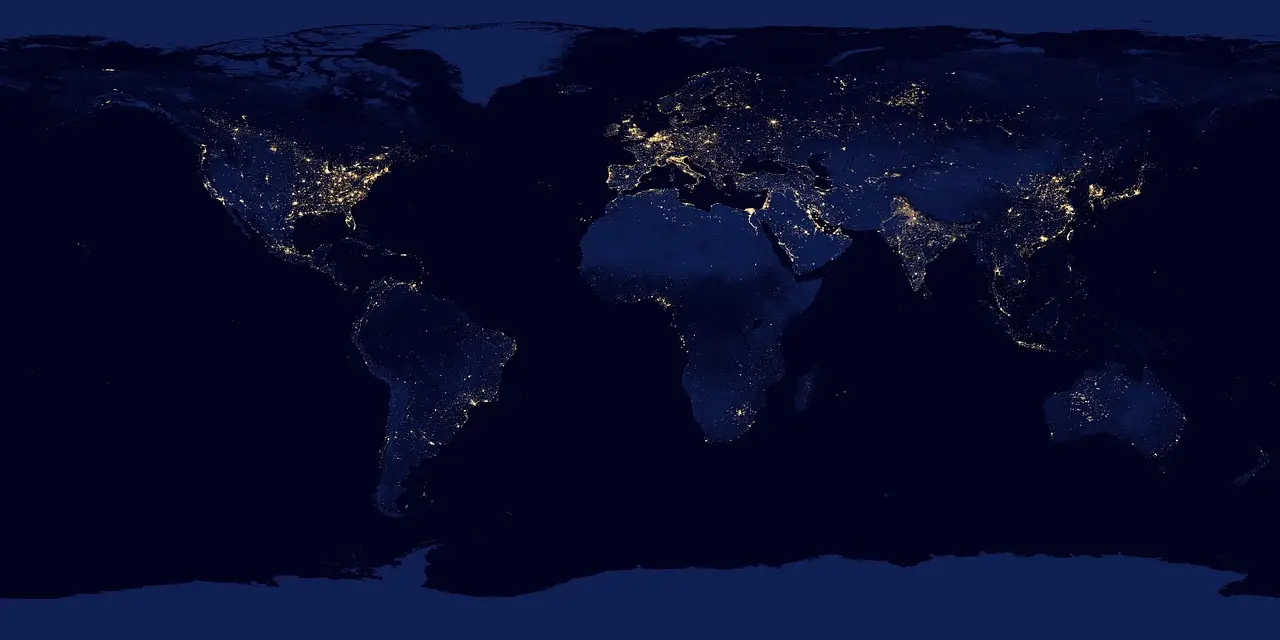
The first satellite built explicitly for humanitarian use will reach orbit in July 2027, riding a SpaceX rideshare mission. The nonprofit Common Space announced on Nov. 19 that Satellogic, an Argentine-U.S. geospatial intelligence company, will build and operate the spacecraft — the opening piece of a planned six-satellite constellation.
The goal is simple: put high-resolution images of Earth into the hands of people who usually can't afford them. First responders, journalists, scientists and human-rights investigators top the list of intended users.
Why build a new constellation?
More than 1,000 Earth-observing satellites already circle the planet. The problem isn't supply. It's access. According to Common Space, much of the imagery those satellites collect is proprietary or too expensive to serve the public good.
The nonprofit's answer is a constellation dedicated entirely to humanitarian and public-interest imaging. And it plans to run on what it calls a "club-good model" — shared infrastructure and shared costs spread across a large community. That structure, the group says, allows extensive, low-cost access to high-quality imagery.
In short: many users, one bill.
What spacecraft won the job?
Common Space picked Satellogic's NewSat Mark V after a competitive request-for-proposal process. The microsatellite measures just 32 inches (82 centimeters) long and weighs 85 pounds (38.5 kilograms) on Earth.
Small package, sharp eyes. From low Earth orbit, the satellite naturally resolves ground features as small as 27.5 inches (70 centimeters). Satellogic's proprietary algorithms can sharpen that to a "super resolution" of 19.7 inches (50 centimeters).
Satellogic will handle launch preparations and manage day-to-day operations, which are expected to last at least five years. The company brings a strong track record: it has flown 61 Earth-observing satellites to date, and every one deployed successfully.
What did the partners say?
"With Satellogic as our spacecraft partner, we're moving from vision to orbit and putting high-resolution data into the hands of those who need it most," Common Space co-founder Rhiannan Price said in a statement. "This isn't just another satellite. We're building infrastructure to serve people for years to come."
Satellogic says the partnership matches its own philosophy. "Common Space shares our belief that persistent global intelligence shouldn't be reserved for a few," said Luciano Giesso, the company's vice president of space systems. "Humanitarian responders and journalists are often first on the ground and last to get access, yet they need frequent, high-resolution imagery to see what's really happening so they can act with confidence."
Giesso called the mission a practical test of "democratized access" to satellite data.
What comes after the first launch?
One satellite is only the start. Common Space is currently raising money to expand the constellation to six spacecraft, which it hopes to have operating by 2030. Once complete, the network would deliver daily high-resolution coverage of what the nonprofit calls "priority areas."
The timeline carries the usual caveats. Spaceflight schedules slip, fundraising targets aren't guaranteed, and the constellation's full capabilities won't be testable until multiple satellites fly. For now, the plan rests on a single confirmed launch: one 85-pound spacecraft, one rideshare rocket, July 2027.
Still, the first launch would prove the concept. If it works, imagery that today sits behind paywalls could start flowing to the people closest to disasters, conflicts and human-rights crises.
via space.com (Source)
More from Elena Vasquez
Show full bio
Correspondent covering money, funding and market shifts around general science news at SciBeat.
592 articles
Nearby plates
- Shield Space plans autonomous satellite-defense swarm tests
- NASA Seeks Industry Proposals for Commercial Space Stations
- Robot Servicers Could Clean Up Orbit — If Regulators Catch Up
- 63% of Remote First Nations Homes Lack Working Free-to-Air TV
- Amazon schedules 36-satellite Ariane 6 launch after 40-satellite loss