Plate Nº 30 · recorded November 1, 2026
Space & AstronomyReported finding
First Million Years of Solar System Were Fire, Not Ice, Study Finds
Iron meteorites show the Solar System's first solid bodies were 83-92 percent heat-forged rock beads, with almost no icy dust, per a Nature Astronomy study.
By Elena Vasquez3 min read653 words
In brief
- Earliest outer Solar System bodies were 83-92 percent chondrules, per the Nature Astronomy study
- Chondrules dominated planetesimal formation from about 2 million years; icy matrix won from about 4 million years
- Researchers used sulfur levels and iron oxidation in iron meteorites as two independent tracers
- Aerodynamic sorting — dense, compact chondrules clumping more easily — explains the early dominance of rock
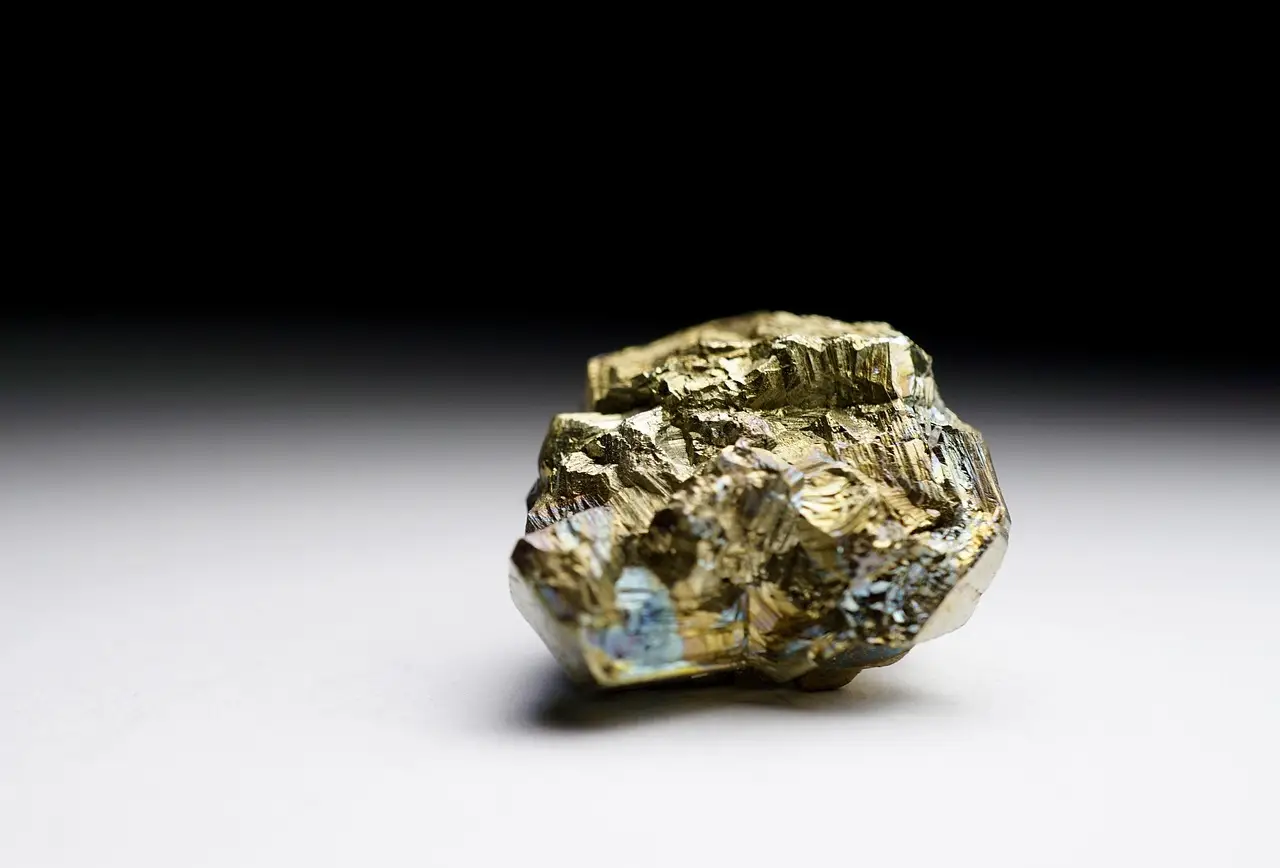
The very first solid bodies in our Solar System were built from 83 to 92 percent chondrules — hard, heat-forged rock beads — with almost no icy dust, according to a new study published in Nature Astronomy. That's the first geochemical evidence of what the Solar System's building blocks looked like in its first million years, and fire was winning.
"These ubiquitous little beads of rock are the basic building blocks from which the planets themselves were eventually assembled," says Damanveer Grewal, an Earth and planetary scientist at Yale University. "And now we know they were already being sorted and incorporated into the first generation of solid bodies from the very start."
What exactly was competing, fire versus ice?
In the young Solar System, two kinds of material swirled around the early Sun. On the "fire" side: chondrules, tiny rock fragments formed through intense heat. On the "ice" side: matrix, a fine-grained, cold dust loaded with water ice and organic molecules.
Scientists already knew the rough timeline of the contest. From about 2 million years after the Solar System began taking shape, chondrules were beating matrix in the formation of planetesimals — larger objects with the potential to grow into planets and moons. From about 4 million years onward, the icy matrix started to win instead.
What nobody had was hard evidence for the first million years. The new study, by an international team, fills that gap. Fire dominated from the very beginning.
The takeaway: the earliest planetary raw material was hot rock, and the ice came later.
How do you read a rock that's 4.6 billion years old?
The team analyzed iron meteorites that fell to Earth. These space rocks carry chemical "fingerprints" of chondrule-and-matrix mixing. Radioactive dating, plus the fact that their parent bodies melted completely, places these meteorites at the very start of the Solar System's history.
The researchers hunted for two tracers inside the meteorites:
- Sulfur levels — sulfur is far more abundant in matrix than in chondrules, so low sulfur points to a matrix-poor body.
- Iron oxidation — this reveals how much water ice and oxidized dust the object absorbed.
Each method involves some educated guesswork about the larger planetesimals the iron fragments once belonged to. But both tracers point the same way, and that matters.
"Both tracers independently tell the same story: These early planetesimals were remarkably matrix-poor," Grewal says. "That convergence is what makes the result robust."
The findings also solve a long-standing puzzle: why so few early-formed chondrules appear in the meteorite record. The rocks containing them melted later from internal heat, erasing the evidence.
The takeaway: two independent chemical clues agree, which is what makes a preliminary reconstruction trustworthy.
Why did hot rock clump first?
The researchers credit what's known as aerodynamic sorting. Chondrules are stronger and more compact than fluffy icy dust, so they were more likely to clump together and build the first solid bodies.
Then something changed. Within a few million years, the balance flipped and the icy matrix took over. The researchers say it's not yet entirely clear what caused that shift, and they flag it as an open question.
The takeaway: physics favored dense rock early on, but the reason the balance later tipped remains unknown.
What does this mean for planets beyond our neighborhood?
The study gives astronomers a reference point. Now that researchers know how our own Solar System sorted its materials, they can compare it against planet formation elsewhere in the Universe.
The key insight is selectivity. Planets and moons aren't random mixtures of whatever material happens to be nearby. Some picking and choosing goes on from the start.
"Our work shows that this assembly process was remarkably selective from the very beginning," Grewal says.
The takeaway: planet formation is a filtering process, not a sweep of random dust — and ours sorted fire before ice.
via en.wikipedia.org (Original)
More from Elena Vasquez
Show full bio
Correspondent covering money, funding and market shifts around general science news at SciBeat.
288 articles
Nearby plates
- First Solar System Planetesimals Were 83–92% Chondrules, Study Finds
- Earth and Mars Were Built From Different Cosmic Recipes
- Rocky Planets May Have Formed Just 100 Million Years After Big Bang
- New Simulations: The Moon May Have Formed Intact in Five Hours
- Webb Telescope Witnesses Planet-Smashing Collisions Around Young Stars