Recorded November 23, 2026
Earth & ClimateReported finding
Food Waste Could Feed Crops Back Their Lost Minerals, Study Finds
Australia wastes 7.6 million metric tons of food yearly, worth over $36 billion. New research says lost iron, zinc and selenium in that waste could be recycled into crops, food and animal feed.
By Priya Raman4 min read720 words
In brief
- Australia wastes about 7.6 million metric tons of food annually, costing over $36 billion; 70% of it is edible.
- The study was published in Frontiers in Nutrition (2026), DOI 10.3389/fnut.2026.1912967, led by Dr. Shan He of Flinders University and Bionexus Pty Ltd.
- Iron, zinc, selenium, iodine, copper and manganese are lost across production, processing, distribution, consumption and waste disposal.
- Recovery routes include crop biofortification, food fortification, nutraceuticals and animal feed, using biological, thermal, membrane-based and hybrid technologies.
- Key barriers: technology gaps, regulatory harmonization, consumer acceptance, contamination and economic viability.
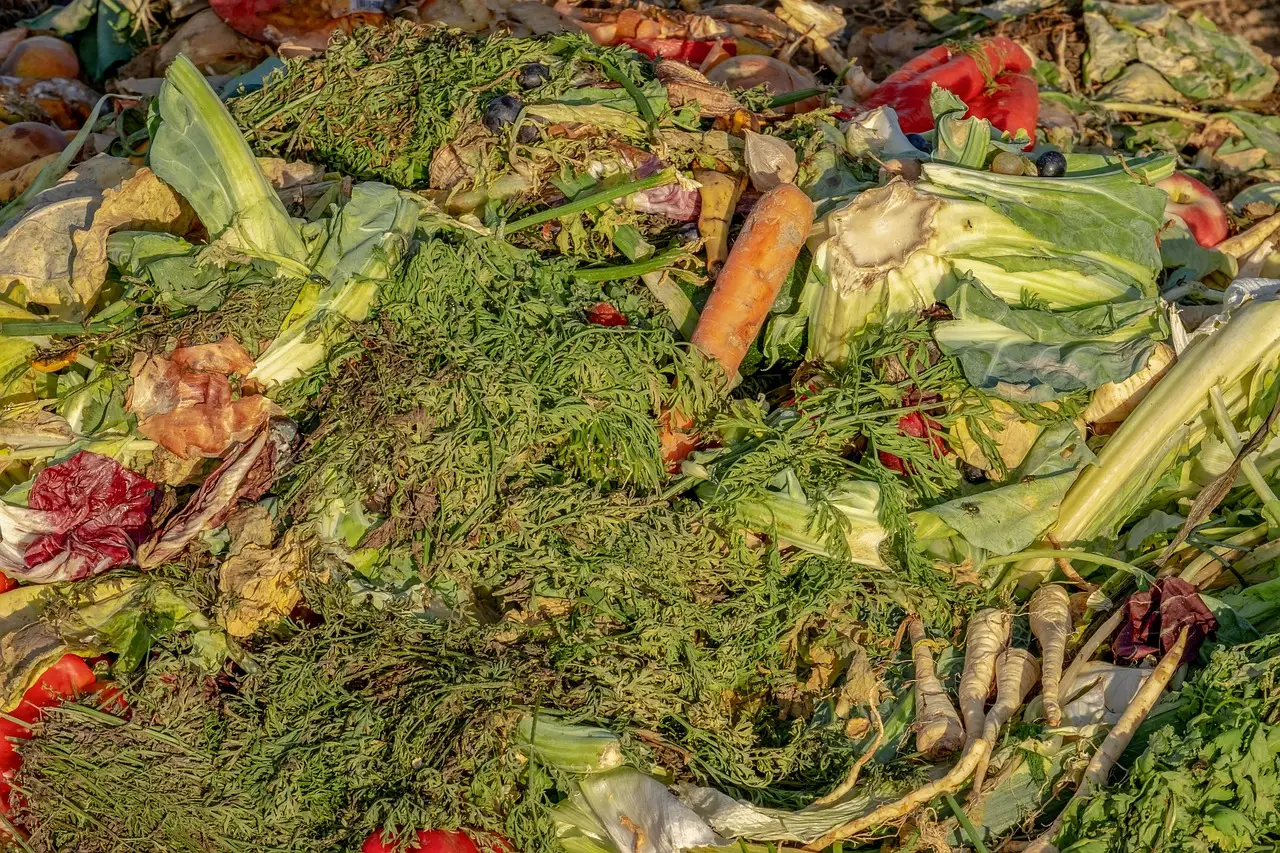
Australia wastes 7.6 million metric tons of food every year at a cost of more than $36 billion to its economy — and 70% of that discarded food is still edible. New research published in Frontiers in Nutrition argues that this mountain of waste is not merely an environmental liability but a reservoir of essential minerals that could be recovered and returned to crops, food and animal feed.
The study, led by biotech experts including Dr. Shan He, a Flinders University Ph.D. who runs the Adelaide biotech company Bionexus Pty Ltd, examines how trace elements lost along food supply chains might be captured, recycled and reintegrated into the food system in a safe and economically viable way.
What is being lost, and where?
The paper focuses on micronutrients — minerals the body needs in tiny amounts, such as iron, zinc, selenium, copper, iodine and manganese. These elements are shed at every stage of the food chain:
- agricultural residues left in fields
- byproducts of food processing
- retail waste
- wastewater
- post-consumer organic waste
"Hidden hunger is present all over the world, but there is a very high prevalence of essential trace elements, such as iron, zinc, selenium, iodine, copper and manganese, being lost along food supply chains across production, processing, distribution, consumption and waste disposal," He said.
These losses, she noted, decrease nutrient use efficiency and squander valuable natural resources. The irony is stark: while vast populations face malnourishment and starvation, affluent countries discard food on a scale that depletes resources, degrades the environment and strips micronutrients from diets increasingly dominated by ultraprocessed products.
How could the minerals be recovered?
According to the researchers, recovered micronutrients could flow back into the food system through four main channels: crop biofortification (raising the mineral content of plants as they grow), food fortification (adding nutrients during processing), nutraceutical production (supplements and functional food ingredients), and animal feed fortification.
Recent developments in recovery technology have made this more plausible. The study points to advances in biological, physicochemical, thermal, membrane-based and hybrid techniques — a toolkit comparable, in breadth, to the range of methods now used in water recycling — that can extract and reutilize nutrients within circular food systems.
"In our study, we find a range of options that promote a positive circular economy focused on nutrient recovery and reuse to increase sustainability and nutrition security," He said.
What stands in the way?
The authors are candid that recycling micronutrients from waste remains preliminary as a large-scale practice. He identified three considerable hurdles: unresolved questions in technology, the lack of regulatory harmonization across jurisdictions, and uncertain consumer acceptance.
"While there is potential for micronutrient recycling to help address global challenges in food waste, limited resources and nutrition security challenges globally, there are considerable issues in technology, regulatory harmonization and consumer acceptance that need to be resolved before this can be widely adopted," she said.
The study lists additional constraints that must be addressed before widespread adoption: contamination concerns, regulatory obstacles, economic viability and public opinion. Overcoming them, the authors argue, will require continued innovation in technology, coordinated policies and interdisciplinary partnerships.
What would success look like?
If these barriers fall, the potential payoffs extend beyond nutrition. The researchers say micronutrient recovery can reduce the total volume of waste generated, offset environmental contamination and lower demand for finite mineral inputs — the mined minerals currently supplying fortification programs.
He frames micronutrient deficiencies and food system inefficiencies as two faces of a single problem that threatens both global nutrition security and environmental sustainability.
"Our study shows that food waste, agricultural residues, processing byproducts or wastewater and other organic wastes are significant secondary sources of micronutrients," she said. "Closing the micronutrient loop represents a potential pathway to building more resource-efficient, resilient and nutrition-secure food systems."
The findings land against a backdrop of acute pressure on landfill management, food security and the climate — pressures that Australia's annual 7.6-million-ton waste stream illustrates vividly.
The paper, "Closing the micronutrient loop: recovering and redirecting trace elements from food supply chains for a circular and nutrition-secure future," was published in Frontiers in Nutrition in 2026 (DOI: 10.3389/fnut.2026.1912967) by Shan He and colleagues, with support from Flinders University.
The loop, in other words, is not yet closed — but the researchers have mapped the circle.
via phys.org/rss-feed/ (Source)
More from Priya Raman
Show full bio
Senior reporter covering people, launches and day-to-day practice in general science news at SciBeat.
567 articles
Nearby plates
- 6% of Montreal's Mapped Area Sends Half Its Business Food Waste to Dump
- Each Deep-Sea 'Metal Potato' Houses a Unique Micro-Ecosystem
- Gut Bacteria May Add About 140 Calories a Day, ASU Model Finds
- Diverting Food Scraps From Landfills Could Cut US Methane by 6%
- Magnetite-coated fabric boosts phosphate capture 2.6-fold