Recorded November 26, 2026
Biology & EvolutionReported finding
Group waves may deceive predators by moving faster than the animals
European starlings flash dark waves every 0.75 seconds under falcon attack. A 2026 Science perspective argues that similar movements may confuse predators.
By Nathan Brooks3 min read642 words
In brief
- European starlings’ dark bands sweep through flocks roughly every 0.75 seconds during peregrine falcon attacks.
- Three recurring features are rapid wave movement, repetition and occasional anticipation of a predator’s strike.
- Mexican mollies dive and resurface in dense schools, while giant honeybees shimmer their abdomens to repel predators.
- The 2026 Science article proposes tests using animal-vision simulations, virtual reality and recordings of brain activity.
- Researchers can vary collective timing and coordination while keeping group size and density constant.
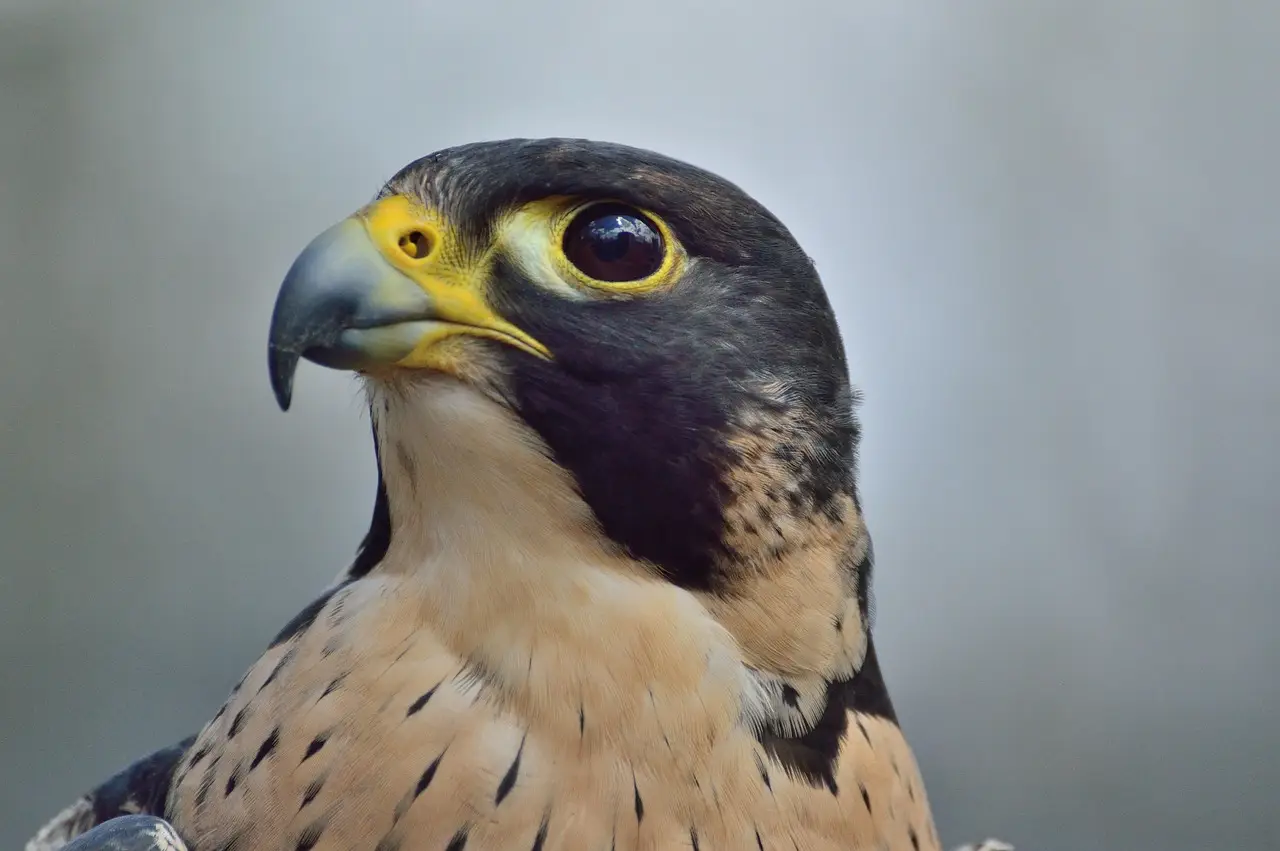
European starlings send dark bands sweeping through a flock roughly every 0.75 seconds when a peregrine falcon attacks, a pattern that may help them mislead the bird. That repeated sweep is one example of a broader, still-unproven evolutionary proposal.
Eduardo Sampaio and Iain Couzin argue that wave-like collective movements may have evolved as a form of deception. They make the case in a 2026 Perspectives article in Science, rather than treating the patterns as a simple side effect of group life. Their work is affiliated with the Max Planck Institute of Animal Behavior and the University of Konstanz.
What makes the wave displays potentially deceptive?
Sampaio, a postdoctoral researcher at the Max Planck Institute, said: “We propose that these collective displays exploit how predators see motion, confusing or misleading them.” The idea treats coordinated group movement as a possible defense, not simply a byproduct of flocking, schooling or swarming.
The paper links examples that had rarely been compared through the eyes of a predator. In sulfur-rich springs of Mexico, mollies in dense schools repeatedly dive and resurface, making waves of motion that repel predators. Giant honeybees shimmer their abdomens, sending waves across a nest that drive away hornets.
Three features recur across those examples:
- Each wave travels faster than the animals producing it.
- The pattern repeats.
- The movement often anticipates the predator’s strike.
These properties may exploit limits in how a predator’s brain processes motion. Couzin, a director of collective behavior at the Max Planck Institute and a professor at the University of Konstanz, framed the common feature. “These systems might look different on the surface, but in each one we see the same decoupling of the collective pattern from the motion of the body, or bodies, that generate it.”
Decoupling describes a separation between the group’s moving pattern and the individual motions that create it. That separation may create confusing motion for a predator, which is the proposed route to deception. The proposal also extends beyond prey: a hunting cuttlefish sends similar moving stripes down its body, which may hide its approach from crabs.
How could deception evolve?
If a collective display improves survival, natural selection can favor the individual rules that create it. Selection need not act on the finished wave itself; it can act on how each animal responds to its neighbors.
Those rules include sensitivity to neighbors and a response threshold, which means how much stimulation triggers a reaction. Those individual traits are heritable, or passed from parents to offspring. If differences in sensitivity or thresholds change how the collective wave affects a predator, they can also change each animal’s chances of survival.
The proposal treats deception as a possible evolutionary payoff of coordination. It does not claim that every wave-like display has evolved for that purpose.
That link remains the central open question. Few studies, the authors say, have examined collective patterns from the outside, through a predator’s view. The article sets out a testable hypothesis rather than a settled verdict.
How will researchers test the idea?
New tools allow researchers to isolate specific display features. Simulations of animal vision, virtual reality and recordings of brain activity can test which features of a display affect predators. Researchers can vary the timing and coordination of collective responses while keeping group size and density constant.
That design separates collective timing from two other possible influences on a predator’s response. Sampaio said such tests could reveal whether collective waves deter or deceive predators more effectively than fleeing alone.
The article, “Deception in motion,” by Eduardo Sampaio et al. appeared in Science in 2026 under DOI 10.1126/science.aek0041. The cases connect wave-like displays with predator defense, but experiments still need to show whether the patterns confuse attackers and whether natural selection produced the behavior.
via phys.org/rss-feed/ (Source)
More from Nathan Brooks
Show full bio
Market editor covering companies, deals and strategy in general science news at SciBeat.
624 articles