Recorded November 19, 2026
Biology & EvolutionReported finding
Homo erectus survived 200,000 years longer than we thought
Nine teeth from Chinese caves push Homo erectus' survival to 184,000 years ago — 200,000 years later than believed. One tooth matches no known species, hinting two human groups coexisted.
By James Calloway3 min read695 words
In brief
- Nine teeth from two southern China caves are dated to 324,000–184,000 years ago, extending Homo erectus' known survival by ~200,000 years
- One tooth matches no known human species, suggesting two hominin groups lived side by side in the region
- Protein analysis of tooth enamel identified the species where DNA, which rarely survives a few thousand years, could not
- Chemical traces show Homo erectus lived in tropical rainforest, a habitat previously credited only to modern humans
- Study: Wei Liao et al., Nature (2026), DOI: 10.1038/s41586-026-11271-3
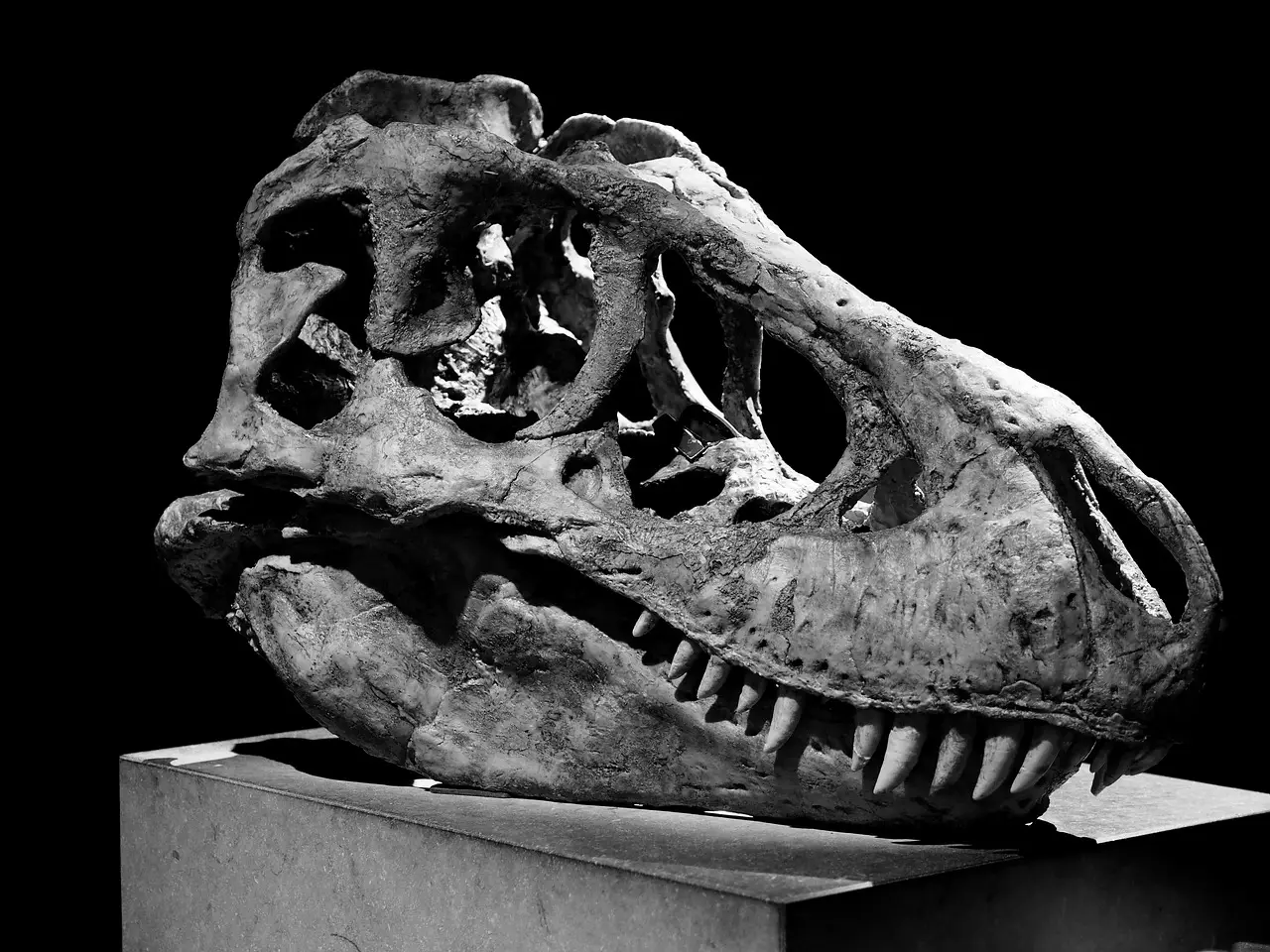
Homo erectus, one of our most important ancestors, was still living in southern China as recently as 184,000 years ago — roughly 200,000 years later than textbooks had it. That's the headline finding of an international study published in Nature, which analyzed nine fossil teeth from two caves in the region. The teeth date to between 324,000 and 184,000 years old.
The species was believed to have vanished from the Asian mainland around 400,000 years ago. "So it's very surprising to find evidence showing that they persisted much later," says Frido Welker, associate professor at the Globe Institute, University of Copenhagen, and corresponding author of the study.
Why does that matter? Because Homo erectus occupies a pivotal spot on our family tree. It emerged roughly two million years ago and became the first human species to spread out of Africa into Asia and Europe. Neanderthals, Denisovans and eventually Homo sapiens all trace back to it. If erectus lingered in East Asia far longer than assumed, the story of who was where — and when — gets messier.
How do you identify a species from a tooth?
The short answer: proteins. DNA degrades fast in warm, humid climates and rarely survives more than a few thousand years, so ancient bones from the tropics are genetic dead zones. Proteins, the molecules that do much of the cell's work, are hardier and can persist far longer. Welker examined protein sequences preserved in the tooth enamel — the hard outer layer — and the team showed those sequences could only have come from Homo erectus.
The technique is new enough to be startling. "A 300,000-year-old protein is extremely degraded, making it very difficult to analyze," Welker says. "Just ten years ago, nobody would have believed it possible to recover such detailed protein information from fossils this old. But our methods have advanced dramatically, allowing us to investigate crucial chapters of human history that were previously beyond our reach."
A caveat belongs here. Protein analysis is powerful, but it is still inference from fragmentary molecules, not a complete genome. The identifications rest on how well the recovered sequences match known human lineages — and the reference library for ancient hominins is far from complete. Welker's confidence is high, but the method is young.
What's the deal with the odd tooth?
One of the nine teeth refuses to cooperate. Its physical shape doesn't match Homo erectus, and its protein profile fits no known human species — not Neanderthals, not Homo sapiens, not erectus.
"We can say with a high degree of confidence that the tooth did not belong to Homo erectus," Welker says. "But we cannot yet determine which human species it belonged to. That is what makes the discovery so exciting, because it shows that at least two different human groups lived side by side in the region."
That's the study's most provocative implication. The standard picture of human evolution in Asia has one species replacing the next in sequence. Two species sharing the same landscape at the same time complicates that tidy script.
A rainforest, no less
The researchers also analyzed chemical traces in the teeth and in animal fossils from the caves. Those traces indicate Homo erectus lived in tropical rainforest — a punishing environment where food is scarce and dense vegetation makes travel difficult. Until now, scientists thought only modern humans could thrive in such habitats.
"We now have the first evidence that other human species also lived in this type of environment," Welker says. "This shows that Homo erectus was far more adaptable than previously thought. Our study demonstrates how new discoveries continue to reshape our understanding of our ancestors."
So what does this change for the rest of us? Not your family tree's broad outline — but the timeline of our ancestors' endurance, their ecological range, and the cast of species sharing Pleistocene Asia. Nine teeth from two caves did all that. One mystery tooth still needs a name, and until it gets one, the coexistence claim, however exciting, stays provisional. The study is Wei Liao et al., Nature (2026), DOI: 10.1038/s41586-026-11271-3.
via phys.org/rss-feed/ (Source)
More from James Calloway
Show full bio
Staff writer covering regulation, policy and their impact on general science news at SciBeat.
584 articles
Nearby plates
- Homo erectus survived in China's rainforests until 184,000 years ago
- Homo erectus survived in China until 184,000 years ago
- Homo erectus Lived in China’s Rainforests 324,000 Years Ago
- Proteins From 20 Fossils Give Denisovans a Face of Their Own
- No Male Markers in 20 Homo naledi Fossils: Was This Cave Women-Only?