Recorded November 19, 2026
Biology & EvolutionReported finding
Homo erectus survived in China until 184,000 years ago
Nine teeth from Chinese caves push Homo erectus' mainland survival to 184,000 years ago and hint a mystery lineage — possibly Denisovans — lived in the same rainforests.
By Nathan Brooks4 min read876 words
In brief
- Homo erectus lived in southern China until at least 184,000 years ago, versus a previous mainland record of 400,000 years
- Nine human teeth were found among 18,000+ fossils in Baxian and Naxian caves, Guangxi province, dated to 324,000–184,000 years ago
- Protein analysis of tooth PA1796 found no H. erectus signature; experts suspect a Denisovan
- Trace-element analysis shows H. erectus foraged in rainforest ecosystems, previously thought unique to Homo sapiens
- Both studies were published Nov. 18 in Nature
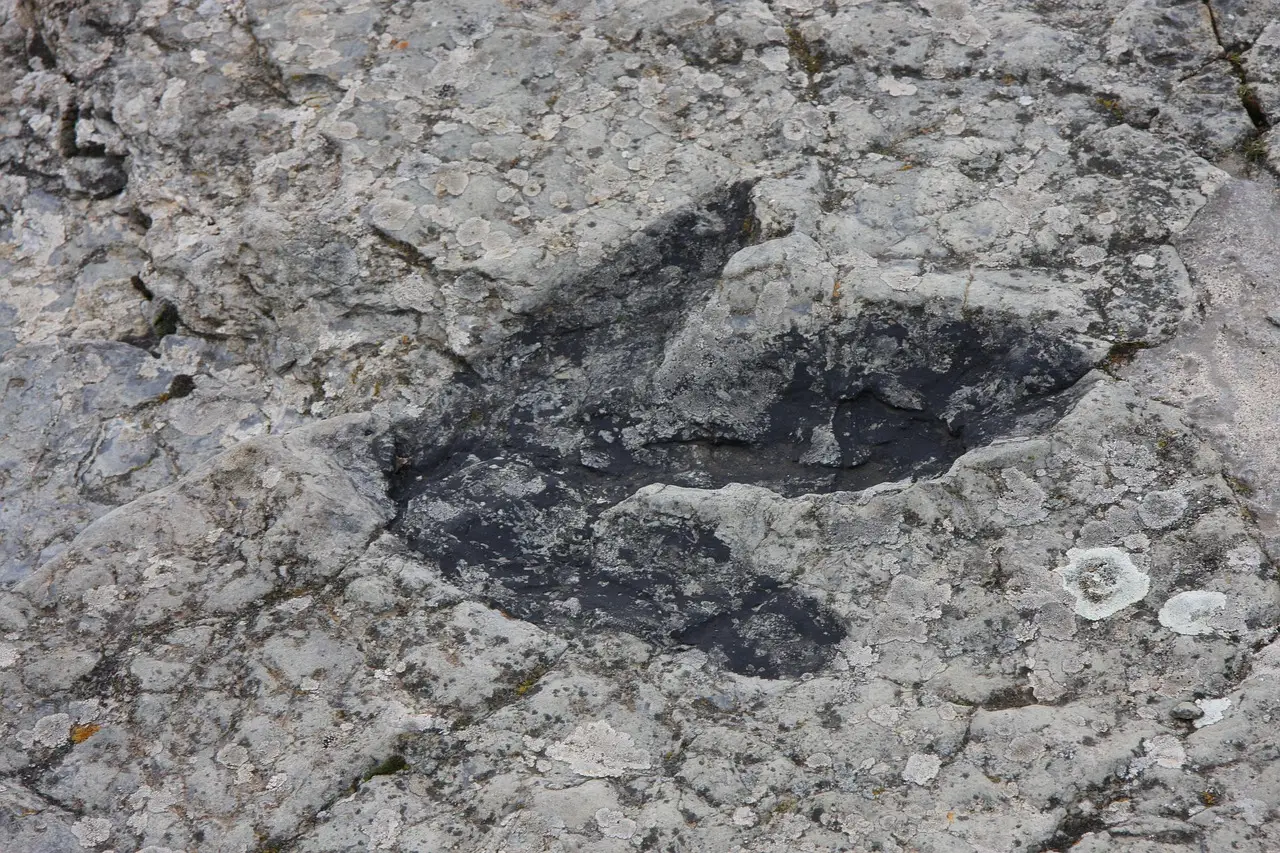
Homo erectus was living in southern China as recently as 184,000 years ago — more than 200,000 years later than any previous physical evidence showed. That's the headline finding from two studies published Nov. 18 in the journal Nature, based on nine fossil teeth from two caves in Guangxi province.
The teeth also hint that a second, unidentified human lineage shared the same rainforest landscape at the same time — possibly the mysterious Denisovans.
"I think it's exciting because it means that there are two hominin populations occupying these rainforest conditions there at the same time," study first author Frido Welker, a molecular palaeoanthropologist at the University of Copenhagen, told Live Science.
What did the caves actually contain?
The Baxian and Naxian caves sit about 9 miles (15 kilometers) apart in a limestone karst landscape — terrain that dissolves over time into caves, which would have offered crucial shelter. Researchers found the nine human teeth among more than 18,000 mammalian fossils, accumulated by porcupines that scavenged and collected bones. The animal remains include apes, elephants, rhinoceroses and other ancient hoofed animals.
Radiometric dating, including uranium-decay methods, pins the fossils to roughly 324,000 to 184,000 years ago. Eight teeth carry physical features reminiscent of H. erectus. The ninth looks distinct from H. erectus, Neanderthals and modern humans alike.
How do proteins settle the identity question?
DNA degrades faster than proteins, so Welker's team analyzed ancient proteins — a field called proteomics — in five teeth: four of the H. erectus-like ones and the mystery tooth.
The four matched protein signatures seen before in H. erectus. "The morphology is nicely confirmed by the proteomics," Welker said. The team could even determine sex using amelogenin-Y, a protein coded only by the Y chromosome: three of the four came from males, one from a female.
Some protein differences from other Chinese H. erectus remains suggest a previously unknown population with a slightly different genetic makeup.
Why does the new date matter?
Until now, there was no physical evidence of H. erectus on the Asian mainland more recently than 400,000 years ago. The last known record anywhere was 108,000 years ago, in Java's river flood plains. The new finds bridge that chronological gap.
"This brings the history of H. erectus in East Asia closer in age to the late Javanese examples, raising the possibility that these populations were connected through land bridges at times of lowered sea level," said Chris Stringer, a paleoanthropologist at the Natural History Museum in London who was not involved in the research.
The finding changed minds. John Hawks, an anthropologist at the University of Wisconsin-Madison, had believed specimens from the past 400,000 years flagged as H. erectus were actually Denisovans — ancient Asians of the Homo longi lineage who disappeared around 30,000 years ago. He now calls the combined morphological and protein evidence convincing that H. erectus survived until relatively recently in some places.
What about the mystery tooth?
The fifth analyzed tooth, labeled PA1796, came from a male but showed no recognizable protein signature. "Sequence-wise it doesn't have this Homo erectus substitution and morphologically, it doesn't look like an erectus tooth," Welker said.
He declined to speculate on the species, though many experts suspect a Denisovan. Stringer noted the tooth's age — possibly under 200,000 years — brings it close to known or putative Homo longi/Denisovan samples in southern China and Laos, implying potentially long overlaps between the species. He cautioned, though, that the tooth is relatively small and comparative Denisovan data is sparse.
Recent research suggests H. erectus and Denisovans interbred, and Stringer said the new evidence increases the likelihood that this happened at least occasionally. Hawks agreed a Denisovan is the likeliest answer — perhaps from a divergent branch lacking protein data — but said he "would have liked to see additional comparisons in the paper to more Denisovan teeth." Firm conclusions must wait for similar finds elsewhere, Welker said.
Were these ancestors rainforest foragers?
The companion Nature study, led by geochronologist Kira Westaway of Macquarie University in Sydney, examined trace elements in the same teeth plus animal teeth from the caves. The analysis showed this H. erectus population ate plants and animals from tropical, rainforest-like ecosystems — environments previously thought only Homo sapiens could handle.
"Suddenly we're seeing H. erectus being able to survive in environments that we didn't think they could possibly survive in," Westaway said. Strontium levels in the teeth — which reflect water and food consumed in childhood — matched a karst region about 200 miles (320 km) away, in northern Vietnam's Red River valley. "It looks like H. erectus moved across large areas, traversing this karst landscape in the rainforests," she said.
Westaway pushed back on the idea of H. erectus as a failure: they survived six times longer than H. sapiens has so far, roughly 2 million years versus about 300,000.
Hawks' remaining question concerns our own species, present in the region from at least 45,000 years ago. Since Denisovan DNA survives in Island Southeast Asian peoples, he asked: "If H. erectus was enduring in the same area at the same time, might H. sapiens also have encountered late H. erectus?"
via livescience.com/feeds/news (Source)
More from Nathan Brooks
Show full bio
Market editor covering companies, deals and strategy in general science news at SciBeat.
580 articles
Nearby plates
- Homo erectus Lived in China’s Rainforests 324,000 Years Ago
- Homo erectus survived 200,000 years longer than we thought
- Homo erectus survived in China's rainforests until 184,000 years ago
- No Male Markers in 20 Homo naledi Fossils: Was This Cave Women-Only?
- Homo erectus in China survived 200,000 years longer than thought