Recorded November 19, 2026
Biology & EvolutionReported finding
Island invertebrates rebound after rats and mice are eradicated
After rats and mice were removed, invertebrates showed recovery signs on Macquarie and Antipodes islands. Rabbit grazing left less habitat, slowing gains.
By Nathan Brooks4 min read815 words
In brief
- A comparison of 30 years of Macquarie data with eight years from Antipodes found post-removal invertebrate recovery.
- The islands share 18 invertebrate species despite an ocean gap of almost 1,500 kilometers.
- Macquarie was declared rat-, mouse- and rabbit-free in 2014; Antipodes has been mouse-free since 2018.
- Antipodes has more than 80 known native insect species and 16 spiders, versus 19 insects and three spiders on Macquarie.
- Lord Howe Island has been rat- and mouse-free since 2019, with native invertebrates and birds rebounding.
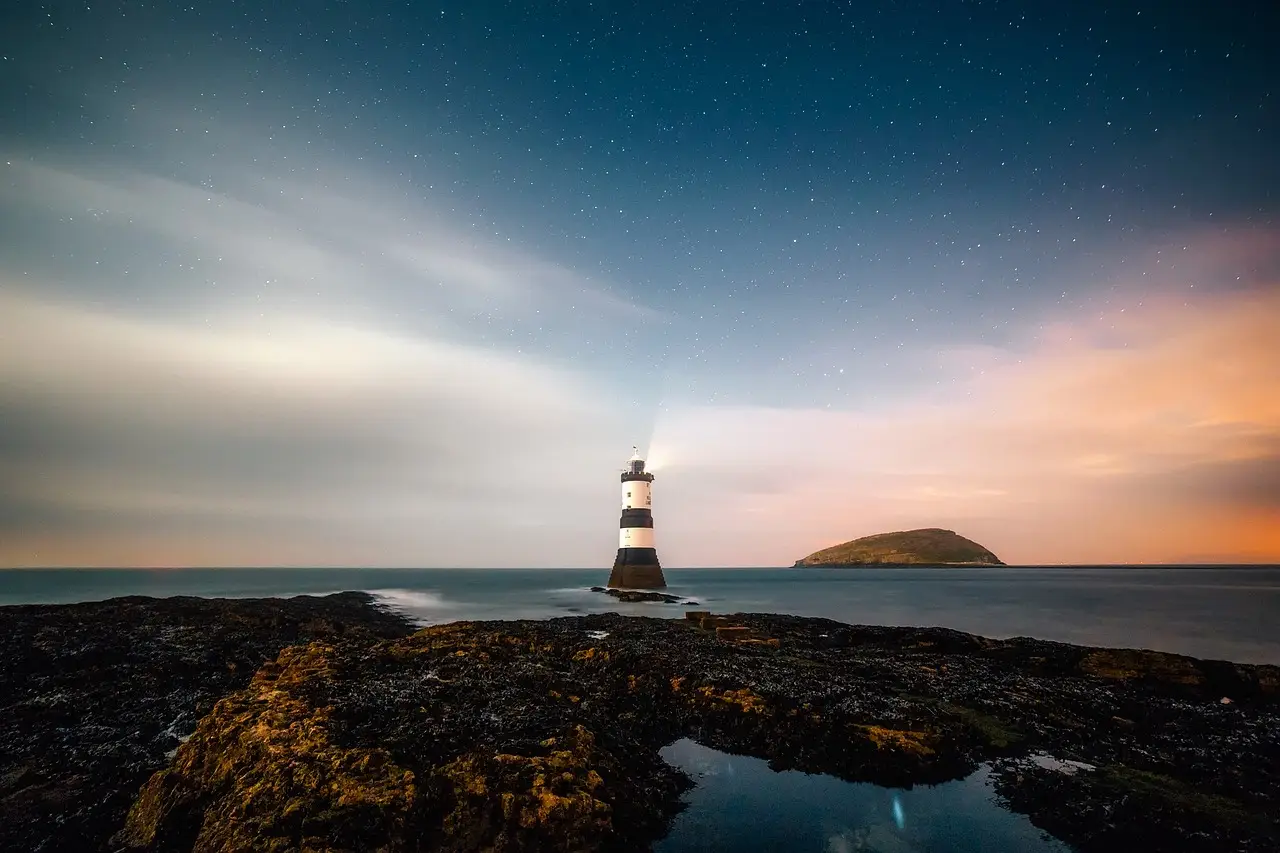
A comparison using 30 years of data from Macquarie Island and eight years from Antipodes Island found more invertebrates—animals without backbones—and generally more species after invasive rodents were eradicated there.
Gaby Clark and Andrew Zinin summarized the result: “Recovery can be slower than expected—but it is happening.” Their surveys covered surface-dwelling animals, from spiders and insects to worms and mollusks.
Island species often evolve without many predators, which can produce many unique species. But introduced predators and competitors can drive them extinct; about 75% of documented extinctions since European colonization occurred on islands.
Following people around the globe, rats and mice stow away on boats, surge ashore and prey on birds, lizards, plants and invertebrates. Rats and mice even eat seabird chicks alive, and sharp wildlife declines often follow. Black rats drove the endemic Lord Howe Island stick insect extinct within decades, leaving it only on a remote offshore rock stack.
How did managers remove the rodents?
Removing rodents from large islands remains difficult because one missed breeding pair can repopulate quickly. Managers now rely mainly on poison bait, spread by helicopters or drones and guided by GPS.
Bait is tailored to island size and resident species. Better delivery has allowed eradication on islands once considered too large or geographically complex.
- Macquarie Island: Managers declared it free of rats, mice and rabbits in 2014, after helicopter baiting and follow-up work by detection dogs.
- Antipodes Island: It has remained mouse-free since 2018.
What did the two islands share and differ in?
The study compared Antipodes, which had mice, with Macquarie, which had rats, mice and rabbits. Neither island has native land mammals, reptiles or amphibians.
Almost 1,500 kilometers, or 930 miles, apart, they share 18 invertebrate species through long-distance dispersal by wind and birds. Each also has species found nowhere else, including an endemic snail on Macquarie.
Antipodes also has an undescribed cave weta, a flightless ground cricket likely extinct because of mice. The island has more than 80 known native insect species and 16 spider species.
Macquarie has 19 known native insect species and three spider species. Both islands also have many species of other invertebrates, including worms, ticks, springtails, mites and mollusks.
No permanent towns, agriculture, wildfires or land clearing make the pair natural laboratories. Both are very windy, so few insects fly there.
Researchers visited over several years, trapped surface-crawling invertebrates at a range of sites and resampled the same sites. An expert then spent hundreds of microscope hours identifying specimens.
They searched historical records and datasets to build 30-year and eight-year baselines. The long series provided essential context for comparing each island before and after rodent removal.
Which invertebrates recovered?
Both islands showed real recovery: more invertebrates overall and generally more species across sites. Species preyed on by mice, including spiders and fly larvae, showed particularly strong gains.
On Antipodes, native spiders, beetles, worms and pseudoscorpions—scorpion-like arthropods—showed the greatest recovery signs. On Macquarie, native flies were the biggest beneficiaries.
Threatened seabirds are relatively well studied because they are easy to locate and count. Their populations rebound well after rodent removal, although full recovery can take decades.
Invertebrates remain less studied because they are smaller, harder to find and less charismatic than albatross, penguins and seals. Their work breaking down organic matter, turning nutrients into usable forms and driving decomposition makes them central to ecosystem health.
Why did recovery vary between islands?
For more than 150 years, rabbits thrived on Macquarie, grazing its grasslands, large-leaved herbs and herbfields.
More than a decade after rabbit removal, vegetation and landscape still had not fully recovered, leaving less habitat for invertebrates. Macquarie also faced the added burden of invasive rats.
The comparison has limits: the traps targeted surface-dwelling animals, and the historical baselines differ greatly in length. Even so, the researchers linked the difference to habitat, because recovering vegetation creates more living space.
What happens after eradication?
Coral-fringed Lord Howe Island has remained rat- and mouse-free since 2019. Its native invertebrates and birds are now bouncing back, extending the same broad pattern beyond the two study islands.
Islands are hotspots for biodiversity and extinction. Removing rats, mice and other pests can pull endemic and native species back from the brink and begin restoring wider ecosystems.
Success still depends on continuing biosecurity for visitors and cargo, measures that keep rodents and other organisms from returning.
The researchers argue for rodent eradication on Auckland Island in New Zealand and Marion Island in South Africa, where mice are decimating native species. Australian problems also include Norfolk Island, Christmas Island and hundreds of smaller islands.
Long term, managers aim to stop invasive rodents from taking such a heavy toll on island species and restore ecosystems. Their recommendation is straightforward: eradicate the rodents, then maintain visitor and cargo biosecurity so they cannot return.
via phys.org/rss-feed/ (Source)
More from Nathan Brooks
Show full bio
Market editor covering companies, deals and strategy in general science news at SciBeat.
563 articles
Nearby plates
- Ancient DNA Reveals a Lost Bush Wren Species Hiding in Museum Drawers
- Aldabra's giant tortoises near 183,000 in first rigorous atoll-wide count
- Ten-Day Search Finds No Trace of Fiji Petrel, Among World's Rarest Birds
- Green turtles rebound to 'least concern' amid steep global wildlife declines
- 1,742 Bee Species Live Nowhere but Islands, First Global Count Finds