Recorded November 19, 2026
Science Policy & FundingReported finding
Kazakhstan Aims for 100,000 International Students by 2029
President Tokayev told the Strategic Partners Forum Kazakhstan will target 100,000 international students by 2029, national AI models and a UN research hub in Almaty.
By Elena Vasquez4 min read730 words
In brief
- Kazakhstan targets 100,000 international students by 2029, up from 41,000 today.
- The country has 132 universities with more than 800,000 students.
- Foreign branches from 11 countries enroll over 12,000 students and employ some 600 foreign professors.
- Kazakhstan and the United Nations University signed an agreement on a regional research hub in Almaty.
- Tokayev announced national university status for South Kazakhstan University named after Mukhtar Auezov.
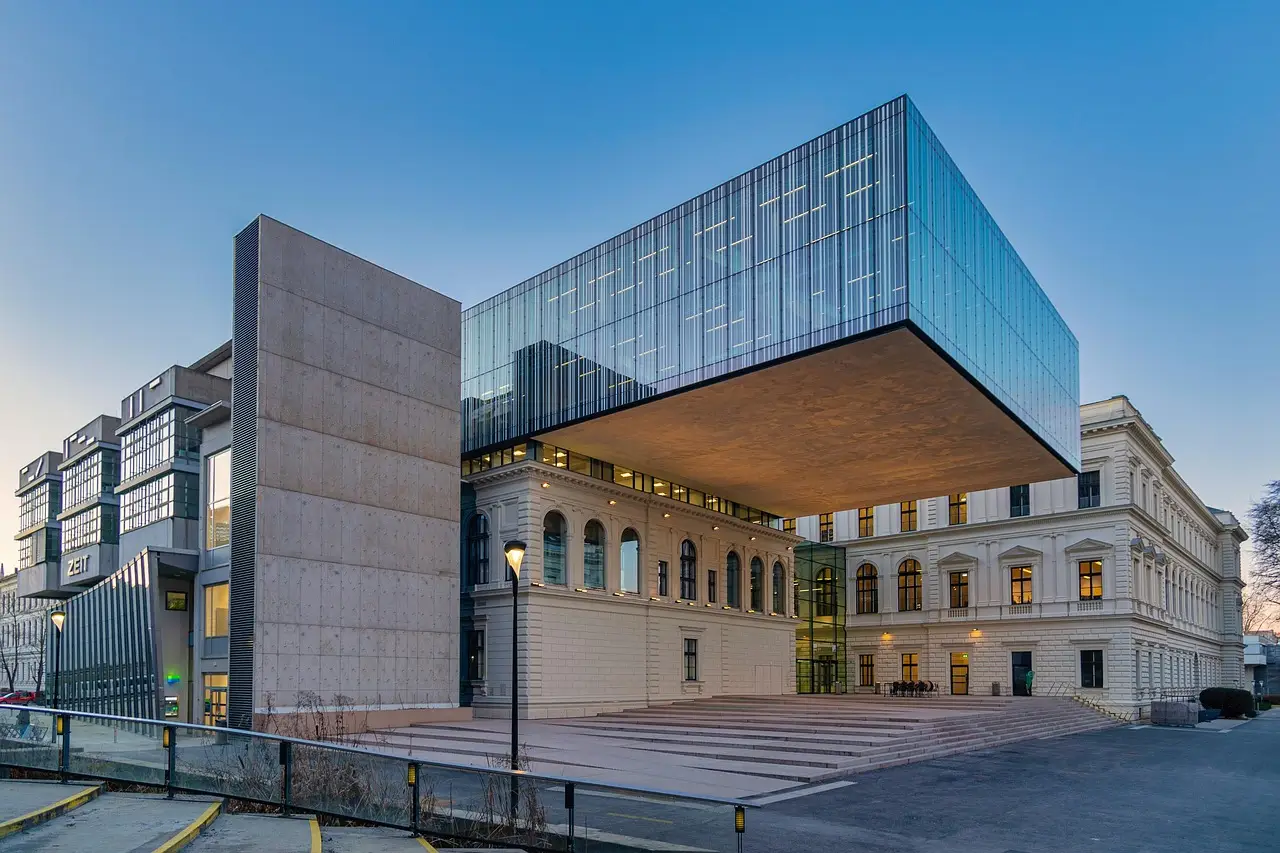
Kazakhstan wants 100,000 international students on its campuses by 2029 — up from 41,000 today — as it repositions itself as Central Asia's academic hub, President Kassym-Jomart Tokayev announced on Nov. 19.
Speaking at the third Strategic Partners Forum in Astana, Tokayev told international university leaders, scientists and education experts that the country must move beyond hosting foreign university branches. The next stage, he said, means research, technological innovation and keeping world-class expertise at home.
"Our strategic goal is to transform Kazakhstan into an academic hub of Central Asia and become part of the global market for knowledge, particularly relevant and high-quality knowledge," Tokayev said, according to Akorda, the presidential press service.
What has Kazakhstan built so far?
The numbers behind the ambition are already substantial.
-
Universities from 11 countries run branches in Kazakhstan, enrolling more than 12,000 students.
-
Those branches employ nearly 1,500 lecturers, including more than 600 foreign professors.
-
The country counts 132 universities with more than 800,000 students in total.
-
International student numbers grew from 31,000 last year to 41,000, with over 8,000 receiving Kazakh financial support.
The national Study in Kazakhstan initiative is the vehicle meant to carry that figure to the 2029 target of 100,000.
Kazakhstan has also become the first country in the region to join two major cross-border education agreements: the Lisbon Recognition Convention, covering Europe, and the Tokyo Convention, covering the Asia-Pacific region. Membership strengthens international recognition of Kazakh university qualifications.
Tokayev framed campuses as stage one. "Now I have set the task of retaining world-class knowledge in Kazakhstan in the form of qualified personnel, scientific achievements and innovations," he said.
The forum itself produced a concrete result: an exchange ceremony for a signed agreement between Kazakhstan's Ministry of Science and Higher Education and the United Nations University to establish a regional research hub in Almaty.
Where does AI fit in?
Artificial intelligence took center stage in Tokayev's vision for higher education and research. He said Kazakh universities should focus on practical solutions and technological innovation rather than prestige alone.
He cited three examples of progress:
- KazLLM and AlemLLM, national language models built for Kazakh.
- Qazaq AI Research University, a newly launched institution focused on AI.
"Strong universities are the foundation of the future," Tokayev said.
For readers unfamiliar with the term, a language model is the same underlying technology as chatbots such as ChatGPT — software trained on text to generate and understand language. Building one for Kazakh matters because most global AI tools handle major world languages far better than smaller ones.
Why Shymkent?
Astana and Almaty have traditionally been the country's centers of science, culture and intellectual life, hosting its leading national universities. Tokayev now wants Shymkent, in the south, to become a major scientific and educational hub for its region.
The city has already moved. It runs an educational program with Arizona State University and hosts a branch of Türkiye's Gazi University.
Tokayev also announced he will grant national university status to South Kazakhstan University named after Mukhtar Auezov. He said the institution should become a center of high-quality education, advanced research and intellectual development for southern Kazakhstan.
How does education tie into the economy?
The academic push connects to a wider national program. Tokayev linked higher education to the People's Construction program, which will roll out social, transport and energy infrastructure projects across the country.
Universities, he argued, must train specialists capable of supporting that infrastructure build-out, plus digital transformation and the spread of AI across industries.
The commitment is now written into the country's basic law, according to the president. "Building a knowledge-based economy has become a long-term constitutional commitment that both the current government and all subsequent governments will have to fulfil," he said.
He added a governance caveat: rule of law and anti-corruption efforts are essential to creating the stable, predictable environment international academic partners expect.
Tokayev closed his address with a call for deeper cooperation with international universities and researchers, and a broad principle: "Science is an invaluable asset intended to serve the progress of all humanity, which means that knowledge has no borders and should have none."
Kazakhstan's bet is that research, AI and foreign partnerships can turn a 800,000-student system into a regional magnet.
via astanatimes.com (Source)
More from Elena Vasquez
Show full bio
Correspondent covering money, funding and market shifts around general science news at SciBeat.
592 articles