Plate Nº 18 · recorded November 17, 2026
Earth & ClimateReported finding
Kazakhstan Ranks Third Globally in Land Restoration at 8.13 Million Hectares
Kazakhstan placed third globally with 8.13 million hectares under land restoration, per the first UN Nature's Comeback report, backed by a new soil law and digital degradation maps.
By Marcus Bennett2 min read479 words
In brief
- Kazakhstan ranks third globally with 8.13 million hectares under restoration, about 3% of its territory.
- China leads with 127.4 million hectares; Mongolia is second with 12.18 million hectares.
- Digital land degradation maps in 2025-2026 covered 114 million hectares and identified 2.7 million hectares of degraded agricultural land.
- Kazakhstan adopted the Law on Soil Protection on July 8, establishing legal mechanisms for soil assessment and restoration.
- The FAO, UNEP and the Secretariat of the Convention on Biological Diversity prepared the first Nature's Comeback report; the Agriculture Ministry reported the results on Nov. 12.
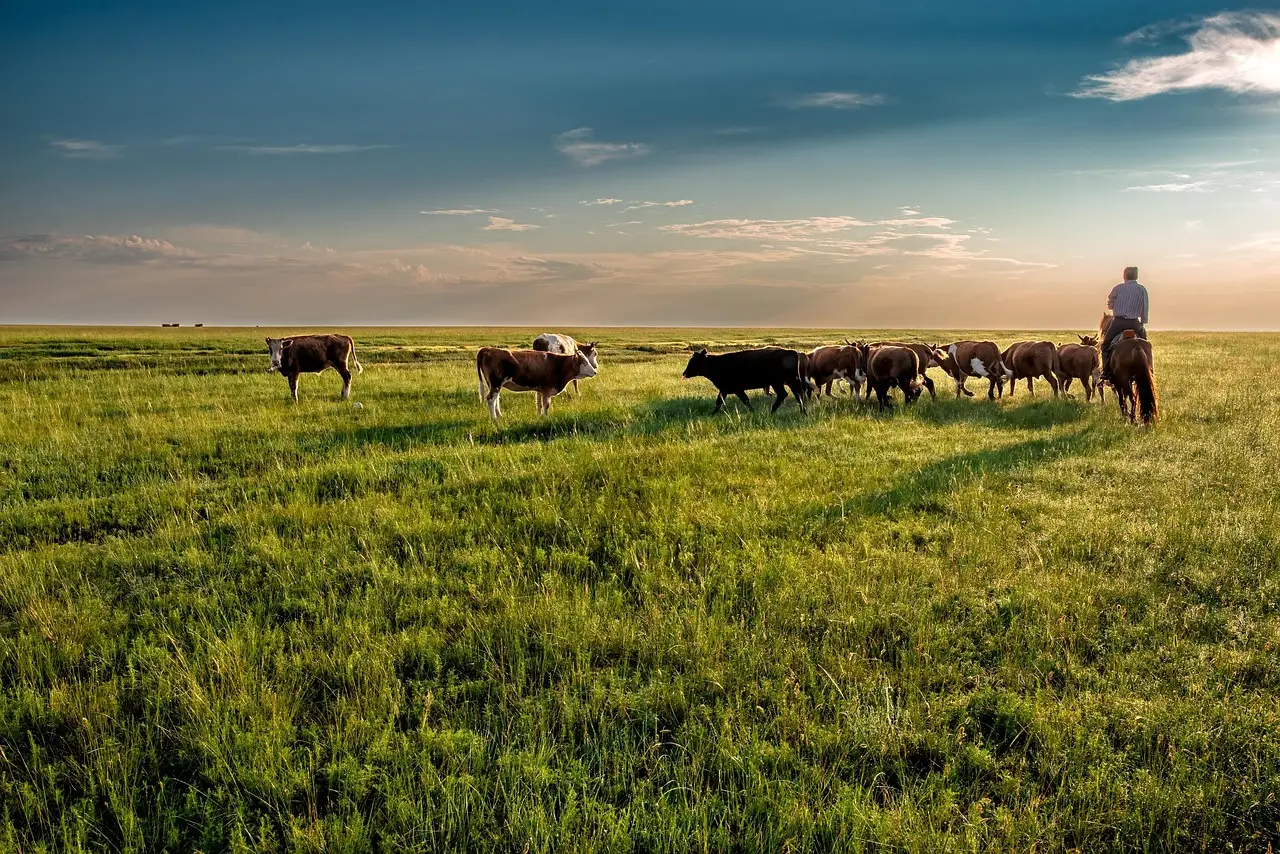
Kazakhstan has brought 8.13 million hectares of land — roughly 3% of its territory — under restoration efforts, placing it third worldwide, according to the first global Nature's Comeback report published by United Nations agencies and reported by the country's Agriculture Ministry on Nov. 12.
The ranking puts Kazakhstan behind two neighbors in scale. China leads with 127.4 million hectares, and Mongolia follows with 12.18 million hectares. Three UN bodies prepared the report: the Food and Agriculture Organization (FAO), the UN Environment Program (UNEP), and the Secretariat of the Convention on Biological Diversity.
For land managers and agronomists, the number matters because it signals where restoration money and fieldwork are already flowing. Kazakhstan's position near the top of a first-ever global accounting also gives officials a baseline against which future progress — or backsliding — will be measured.
What sits behind the 8.13 million hectares?
Restoration initiatives do not operate alone. Kazakhstan is simultaneously expanding its capacity to monitor soil conditions, identify degraded agricultural land, and manage land resources more sustainably.
Between 2025 and 2026, digital land degradation maps covered 114 million hectares — an area far larger than the restoration footprint itself. Those surveys identified 2.7 million hectares of degraded agricultural land. The data now allows authorities to prioritize which areas receive targeted restoration and soil protection measures first, rather than spreading resources evenly across degraded zones.
In plain terms: the country has mapped the problem at national scale and is now triaging where to intervene.
What does the new soil law change?
A key regulatory milestone arrived on July 8, when Kazakhstan adopted the Law on Soil Protection. The legislation establishes legal mechanisms for soil assessment, protection, and restoration — giving agencies a formal mandate and procedural tools they previously lacked.
The Agriculture Ministry and local executive authorities are also developing regional soil protection plans. Each plan will include measures to:
- prevent land degradation before it spreads;
- restore agricultural areas already damaged;
- preserve soil productivity over the long term.
The regional planning layer matters for practitioners: it shifts implementation from national statements to locally defined action lists, with local executives named as co-developers.
How solid are the numbers?
The figures come from a first-edition report, so cross-year comparisons are not yet possible, and the Agriculture Ministry's Nov. 12 statement did not detail how individual hectares were counted or what restoration methods qualified. The rankings reflect reported area under restoration initiatives, not verified ecological outcomes — a distinction readers should keep in mind when weighing headline numbers against results on the ground.
Still, the structural picture is clear. Kazakhstan pairs ecosystem restoration with digital monitoring, stronger legislation, and regional planning, focusing on protecting soil fertility and maintaining long-term land productivity.
Kazakhstan has mapped 114 million hectares, legislated for its soils, and now ranks third in the world for land under restoration.
via astanatimes.com (Source)
More from Marcus Bennett
Show full bio
News editor covering regulation, policy and their impact on general science news at SciBeat.
493 articles
Nearby plates
- Kazakhstan and Uzbekistan Sign Saiga Protection Memorandum
- Protecting Standing Amazon Forests Beats Restoration, Study Finds
- COP17 Delivers $2 Billion in New Funding to Reverse Nature Loss
- Land-Based Climate Action Could Cut Carbon Price From $400 to $130
- Chile Gets a Data-Driven Map for Where to Restore Its Ecosystems