Plate Nº 93 · recorded November 14, 2026
Science Policy & FundingReported finding
Kazakhstan Targets 2027 Start for First Nuclear Plant
Kazakhstan aims to start building its first nuclear plant in 2027 with Rosatom, is shortlisting sites for a third reactor and plans a 100-year domestic uranium reserve.
By James Calloway3 min read699 words
In brief
- Kazakhstan targets 2027 to begin construction of its first nuclear power plant with Rosatom.
- The country holds the world's second-largest uranium reserves and about 40% of global production.
- A strategic uranium reserve is planned to secure domestic supply for at least 100 years.
- Candidate sites for a third plant include Kurchatov, the Caspian coast and the Tobol River in the north.
- The announcement came on Nov. 13 at World Atomic Week in Antalya, Türkiye.
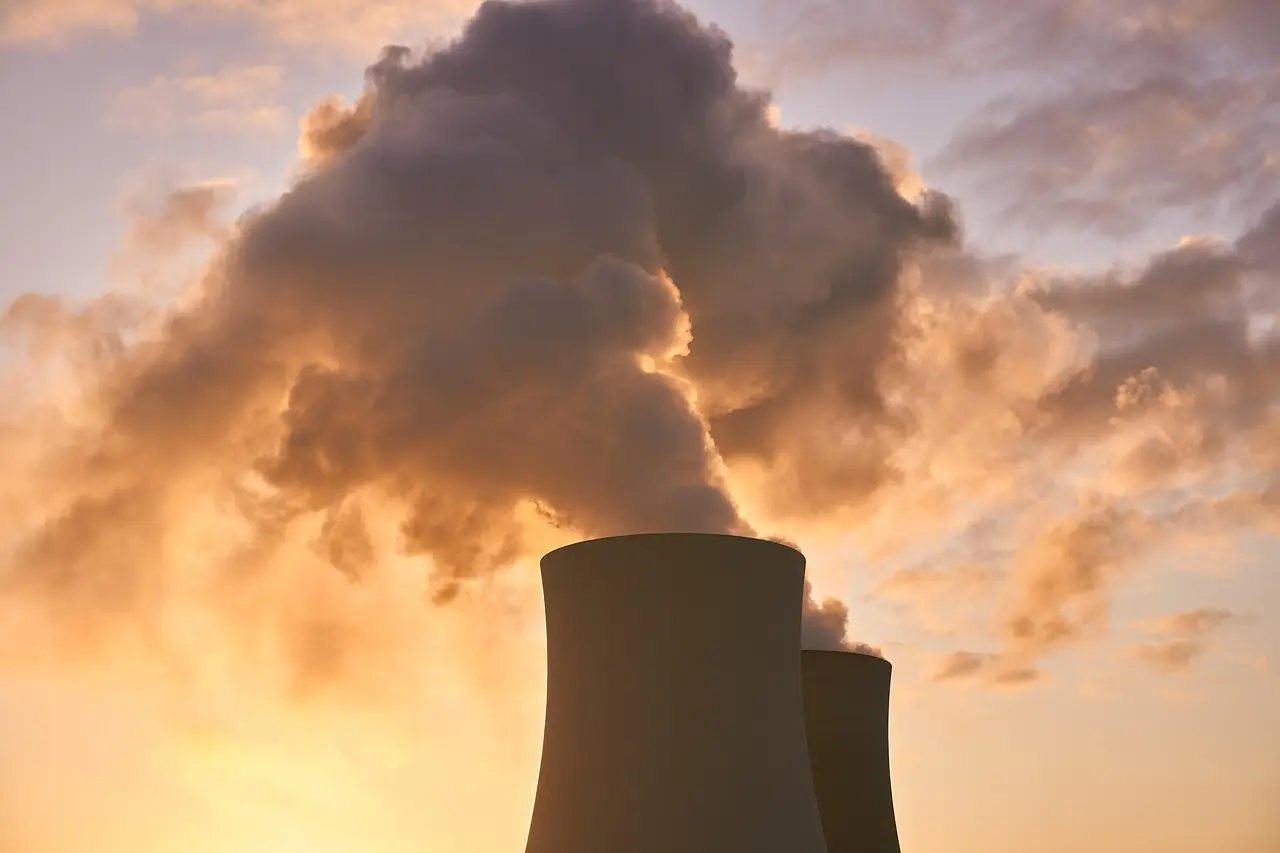
Kazakhstan wants to pour the first concrete of its first nuclear power plant in 2027, and it is already scouting locations for a third facility. Almasadam Satkaliyev, chairman of the Agency for Atomic Energy, laid out the timeline on Nov. 13 at the World Atomic Week conference in Antalya, Türkiye.
That date comes with conditions, though. Here is the fine print.
How firm is the 2027 construction date?
Not fully firm. Kazakhstan has signed an intergovernmental agreement with Russia and an engineering, procurement and construction (EPC) contract with Rosatom, the Russian state nuclear corporation. Negotiations on the contract's technical annexes are still underway.
"Objectively, we understand that in 2027, Rosatom, together with its Kazakh partners and domestic enterprises, could begin construction, provided all requirements of Kazakhstan's legislation are met," Satkaliyev told journalists.
Note the hedge. "Could begin" is not "will begin," and the caveat about domestic legislation is doing real work in that sentence. A second plant is even less settled: negotiations continue, geological and engineering surveys are ongoing, and Satkaliyev said it was too early to announce timelines.
Where would the plants go?
The first two plants are preliminarily planned for the Zhambyl District of the Almaty Region. The word "preliminarily" deserves emphasis.
For the third facility, Kazakhstan is weighing several candidates:
- Kurchatov, in East Kazakhstan;
- the Caspian Sea coast in the west;
- northern regions along the Tobol River, a site suggested by electricity grid operator KEGOC.
The final choice will hinge on regional electricity demand, geological and hydrological conditions, and access to cooling water. Satkaliyev added that medium-capacity reactors — smaller than the giant units typical of twentieth-century nuclear builds — could supply not only electricity but also heat, and in some cases support water desalination.
What about the fuel?
Kazakhstan does not plan to import fuel for reactors it builds. The country already runs the full early-stage fuel cycle: uranium extraction, fuel pellet production and fuel assembly manufacturing.
It holds a license from the French company Framatome to manufacture fuel for French-designed reactors, and its current output is bought by Chinese partners.
"We understand that nuclear power plants in Kazakhstan must be supplied with fuel that can be produced in Kazakhstan," Satkaliyev said. The agency is exploring production expansion with Russian and Chinese partners.
The raw numbers explain the ambition. Kazakhstan ranks second globally in uranium reserves and accounts for roughly 40% of worldwide production.
"We consider uranium not only an export commodity, but also a strategic resource for developing our own energy sector and economy," Satkaliyev said.
What is the 100-year uranium reserve?
Kazakhstan plans a multi-level strategic uranium reserve designed to secure domestic supply for at least a century. That system would include:
- deposits preserved for future generations;
- stocks of processed uranium;
- fuel assembly inventories held at individual nuclear power plants.
The country is also weighing low-enriched uranium storage mechanisms, drawing on experience with the International Atomic Energy Agency's Low Enriched Uranium Bank, which is based in Kazakhstan. Enrichment, in plain terms, is the process of boosting the uranium-235 content so the metal can sustain a reactor's chain reaction.
Beyond electricity — what does this change for Kazakhstan?
Satkaliyev framed nuclear development as broader than power generation. He said it would support technological and industrial growth in medicine, agriculture, scientific research and industrial diagnostics. Kazakhstan plans to train specialists and expand nuclear technology use through existing scientific infrastructure, including research reactors.
He also highlighted cooperation with the IAEA, including programs promoting peaceful nuclear energy use and regular expert assessment missions.
There is a historical backdrop, too. Kazakhstan renounced the world's fourth-largest nuclear arsenal after gaining independence, a decision Satkaliyev called an important foundation of the country's standing in nuclear non-proliferation.
The caveats worth keeping in mind
n Plenty remains unspoken. No construction has started, no timeline exists for the second plant, and the third plant is at the site-shortlisting stage. The Rosatom partnership ties the flagship project to a Russian state corporation, and the 2027 date survives only if Kazakh legal requirements are satisfied. The strategy is ambitious on paper. The concrete — literal and figurative — has yet to be poured.
via astanatimes.com (Source)
More from James Calloway
Show full bio
Staff writer covering regulation, policy and their impact on general science news at SciBeat.
382 articles