Plate Nº 38 · recorded November 18, 2026
Earth & ClimateReported finding
Kitchens Now Outpace Car Exhaust as a Particle Pollution Source
Tower measurements in London and Beijing show cooking produces more fresh ultrafine particles than traffic at mealtimes — but fixing it may be easier than cleaning up cars.
By Elena Vasquez4 min read756 words
In brief
- Cooking produced up to 83% of midday primary PM1 emissions in central London and up to 76% of evening emissions in Beijing.
- UK vehicle exhaust fine particulate emissions fell 94% between 1996 and 2024.
- In Old Delhi, cooking averaged just 8% of daily direct PM1 emissions; traffic and combustion held 56%.
- Cooking-related aerosols made up only 5–10% of ambient PM1 mass at monitoring sites.
- The study, led by UKCEH, is published in npj Climate and Atmospheric Science.
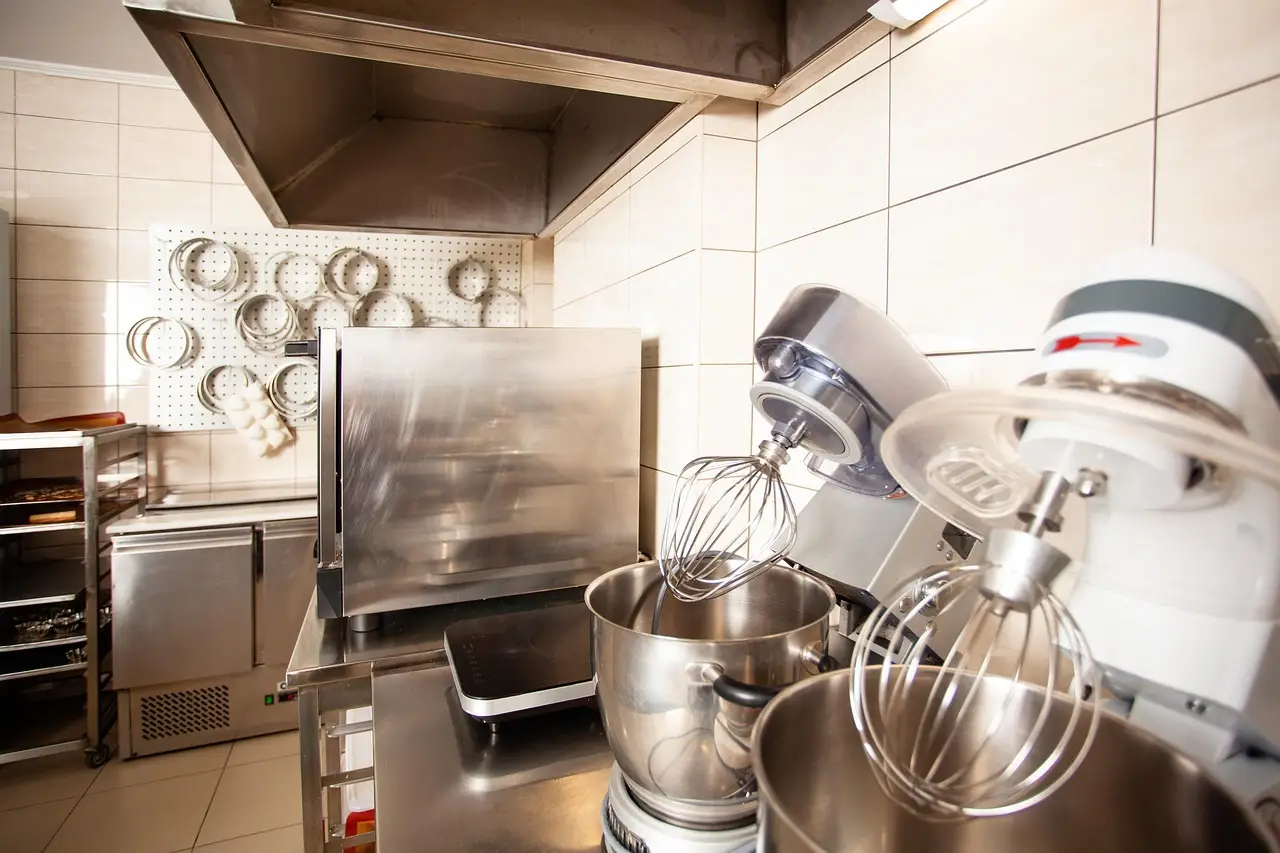
In central London, cooking accounted for up to 83% of freshly emitted microscopic particles at midday — while tailpipe exhaust contributed less than 10%. That's the headline finding of a new study published in npj Climate and Atmospheric Science, led by the UK Centre for Ecology & Hydrology (UKCEH). In Beijing, the pattern repeated: cooking generated up to 61% of midday primary emissions and 76% in the early evening.
The measurements come from tall urban towers in three megacities: London's 190-meter BT Tower, a 102-meter tower in Beijing, and a 33-meter tower in Old Delhi. Specialized mass spectrometers sat atop these towers, analyzing the chemical composition of airborne particles to separate cooking pollution from traffic and other combustion sources.
"Over recent decades we have dramatically reduced emissions from road transport, but we have paid far less attention to emissions from commercial kitchens and food preparation," said Ben Langford, lead researcher and an atmospheric scientist at UKCEH.
How did researchers measure kitchen smoke?
The instruments tracked non-refractory PM1 — airborne particles smaller than one micrometer across, roughly one-seventieth the width of a human hair. These ultrafine particles bypass the body's natural defenses, penetrating deep into the lungs and crossing directly into the bloodstream.
The team paired the particle measurements with high-speed wind sensors to calculate flux: the mass of particulate matter moving upward through a given area over time. This let them estimate what neighborhoods were actually emitting, rather than just measuring pollution already hanging in the air.
The chemical signatures revealed a clear mealtime rhythm. Emissions from cooking spiked around lunch and dinner — exactly when sidewalks and outdoor dining areas are most crowded. The findings are preliminary in scope: they cover specific monitoring sites in three cities, and the towers couldn't capture everything (more on that below).
Why does frying create particle pollution?
Heating oils and fats, especially during shallow and deep frying, releases tiny droplets and organic vapors. Some of these vapors condense into particles as they cool. Commercial kitchen exhaust fans then vent those fumes straight onto city streets.
"Most people smell cooking but never consider it as a pollutant, yet cooking can release large amounts of fine particulate matter into the atmosphere," Langford said.
One reason cooking now looms so large is that traffic got cleaner. In the UK, fine particulate emissions from vehicle exhausts fell 94% between 1996 and 2024, driven by stricter emission standards and cleaner technologies. Research in New York City has found similar shifts, with restaurant cooking, wildfire smoke, and everyday chemical products now rivaling or exceeding tailpipe emissions in summer.
What about Delhi?
Old Delhi told a very different story. There, cooking averaged just 8% of daily direct PM1 emissions — not because residents cook less. The absolute volume of cooking particles matched London's levels. But soot from older vehicles, busy bus terminals, and solid-fuel burning dominated the local air, keeping traffic and combustion firmly in the lead at 56% of primary emissions.
Are restaurant fryers the main reason city air is polluted?
Not quite, and the researchers are careful about this distinction. Cooking dominated certain freshly emitted particles in London and Beijing, but cooking-related aerosols made up only around 5–10% of the ambient PM1 mass measured at the monitoring sites — the overall pollution mix people breathe all day.
More than half of that lingering smog forms through chemical reactions when rural gases, such as agricultural ammonia drifting from farms, mix with urban pollutants. The tower sensors also couldn't track "non-exhaust" traffic dust from brake pads, tires, and roads — particles that even heavy electric vehicles still shed.
Still, kitchen smoke matters. Once fatty cooking particles enter the open air, they resist natural chemical breakdown and can linger for days.
What can be done?
Unlike vehicle emissions, which take decades of engine redesigns and fleet turnover to clean up, kitchen pollution offers a faster fix. European and UK building rules already require commercial kitchens to vent smoke outdoors — but they rarely require restaurants to filter those fumes first, and enforcement remains weak.
Updating commercial building codes to mandate high-efficiency particulate filters and grease-trapping scrubbers on restaurant exhaust hoods would cut emissions immediately.
"Our results suggest this is an area where further improvements in air quality could be achieved relatively quickly through better filtration of kitchen fumes," Langford said.
The bottom line: cities that cleaned up their cars now face their kitchens — and filters, not engine redesigns, could be the quickest next win for urban air.
via zmescience.com (Source)
More from Elena Vasquez
Show full bio
Correspondent covering money, funding and market shifts around general science news at SciBeat.
503 articles
Nearby plates
- Delhi's Pollution Monitors Maxed Out as Diwali Smog Hit 66 Times WHO Limit
- Six Sensor-Fitted Buses Could Cover 17.6% of Amsterdam in a Day
- Small Air Pollution Spikes Tied to Asthma Emergencies in Singapore
- Cleaner air could prevent or delay 9.4 million early deaths yearly
- NASA Will Fly Low Over Texas Farmland to Sniff Livestock Emissions