Plate Nº 59 · recorded November 12, 2026
Chemistry & MaterialsReported finding
Laser Method Cuts Solar Panel Recycling Energy Use by 84 Percent
Glasgow researchers used a fiber laser to strip solar panel seals and recover silver with over 99% selectivity, cutting recycling energy use by an estimated 84%.
By Marcus Bennett3 min read566 words
In brief
- University of Glasgow researchers estimate their laser method cuts recycling energy use by 84%.
- Silver recovery achieved more than 99% selectivity in one panel type tested.
- The method replaces conventional heating at 450–600°C and avoids nitric acid treatment.
- Findings were published in Communications Materials; Glasgow company Watt Laser is exploring scale-up.
- Millions of solar panels are approaching end of life, creating a growing waste problem.
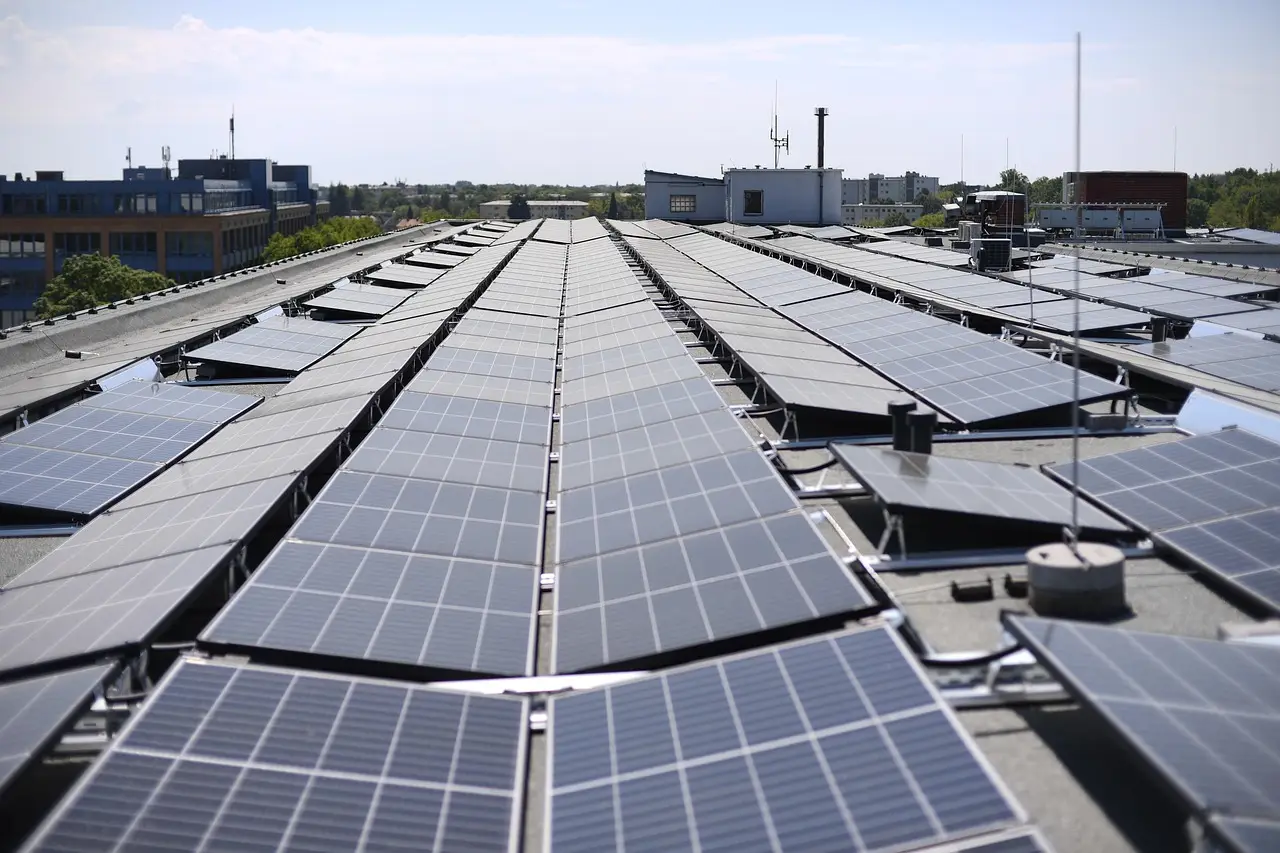
A laser-based recycling technique could cut the energy used to recover valuable materials from old solar panels by 84 percent, according to researchers at the University of Glasgow. The team published its findings in Communications Materials, and the method avoids both the extreme heating and the harsh chemicals that conventional recycling depends on.
The timing matters. Millions of solar panels are approaching the end of their working lives, and disposing of worn-out equipment is becoming a growing waste problem even as solar power reduces emissions during electricity generation.
What do recyclers actually want from a panel?
Panels contain silicon and silver. Silver makes up only a tiny fraction of a panel's weight, yet it accounts for a large share of the value recyclers can recover. Getting to it is the hard part: these materials sit sealed beneath a tough plastic layer engineered to survive years outdoors.
Conventional recycling tackles that seal in two ways, and both carry costs:
- Heating to between 450 and 600 degrees Celsius
- Chemical treatments that create additional environmental concerns, including nitric acid commonly used to dissolve silver in some established recovery methods
How does the laser approach work?
The Glasgow team tested their method on cells taken from retired commercial panels. A fiber laser passed through the protective plastic and heated the surface beneath it. That heat loosened the seal, so workers could lift the plastic away as an intact film.
Once the layers separated, the researchers removed the metal connections and applied relatively mild chemical steps to recover useful materials. In one type of panel, the silver recovery process achieved more than 99 percent selectivity — meaning nearly all of what the process extracted was silver, with minimal contamination from other materials.
Removing the plastic seal intact offers another advantage: the remaining materials can be separated more cleanly. That matters because recycling is not simply about collecting waste. Recovered materials must reach sufficient purity to hold value in new manufacturing.
For practitioners, the equipment itself is familiar territory. The laser setup resembles technology already used in industrial manufacturing, which may make it easier for recycling businesses to adapt the approach rather than build capacity from scratch.
What happens next?
The university is working with Watt Laser, a Glasgow company, to explore how the process might scale up. That step will test the method's real limits: treating entire panels quickly and economically is more demanding than processing small samples under controlled laboratory conditions.
The economics of industrial processing still need to be established, the researchers note. The study demonstrates a route toward better separation, not a finished commercial process.
It also does not mean solar recycling has become emissions-free or inexpensive. The findings are preliminary in the sense that laboratory selectivity figures and energy estimates have yet to be confirmed at industrial throughput, and the study tested cells from commercial panels rather than full-size modules end to end.
Still, if the method scales successfully, it could make recovering silver and silicon more practical while reducing the environmental costs of handling growing volumes of solar waste — with an 84 percent energy saving and no nitric acid in the silver recovery step.
For now, the takeaway is simple: a laser already common in manufacturing can peel solar panels apart cleanly, and the next question is whether it can do so fast enough and cheaply enough to matter at scale.
via knowridge.com (Source)
More from Marcus Bennett
Show full bio
News editor covering regulation, policy and their impact on general science news at SciBeat.
370 articles
Nearby plates
- New polystyrene is half plant-based and designed to fall apart for recycling
- Molten Salt Process Turns Plastic Bags Into Gasoline at Oven Temperatures
- Liquid-Grown Perovskite Films Hit 26.5% Solar Efficiency and Record Low Defects
- Plasma Treatment Makes Plant-Based Packaging Nearly Waterproof
- AI Finds Six Ways to 3D-Print a NASA Rocket Alloy in 40 Tries