Plate Nº 47 · recorded November 17, 2026
Space & AstronomyReported finding
Leonid Meteor Shower Peaks Tonight: Up to 15 Shooting Stars Per Hour
The Leonid meteor shower peaks tonight, Nov. 16-17, with up to 15 fast, bright shooting stars per hour under near-moonless skies. Here is how and when to watch.
By Priya Raman3 min read626 words
In brief
- The Leonids peak overnight Nov. 16-17 with up to 15 meteors per hour visible under dark skies.
- Leonid meteors travel at 43 miles per second (70 km/s), among the fastest of the year.
- A 45%-lit crescent moon sets just before midnight, leaving dark skies for viewing.
- Meteor storms of 1,000 meteors per hour occurred in 1833, 1866, 1966, 1999, 2001 and 2002; the next is expected in 2099.
- The Geminids, peaking Dec. 13-14, can produce up to 120 meteors per hour.
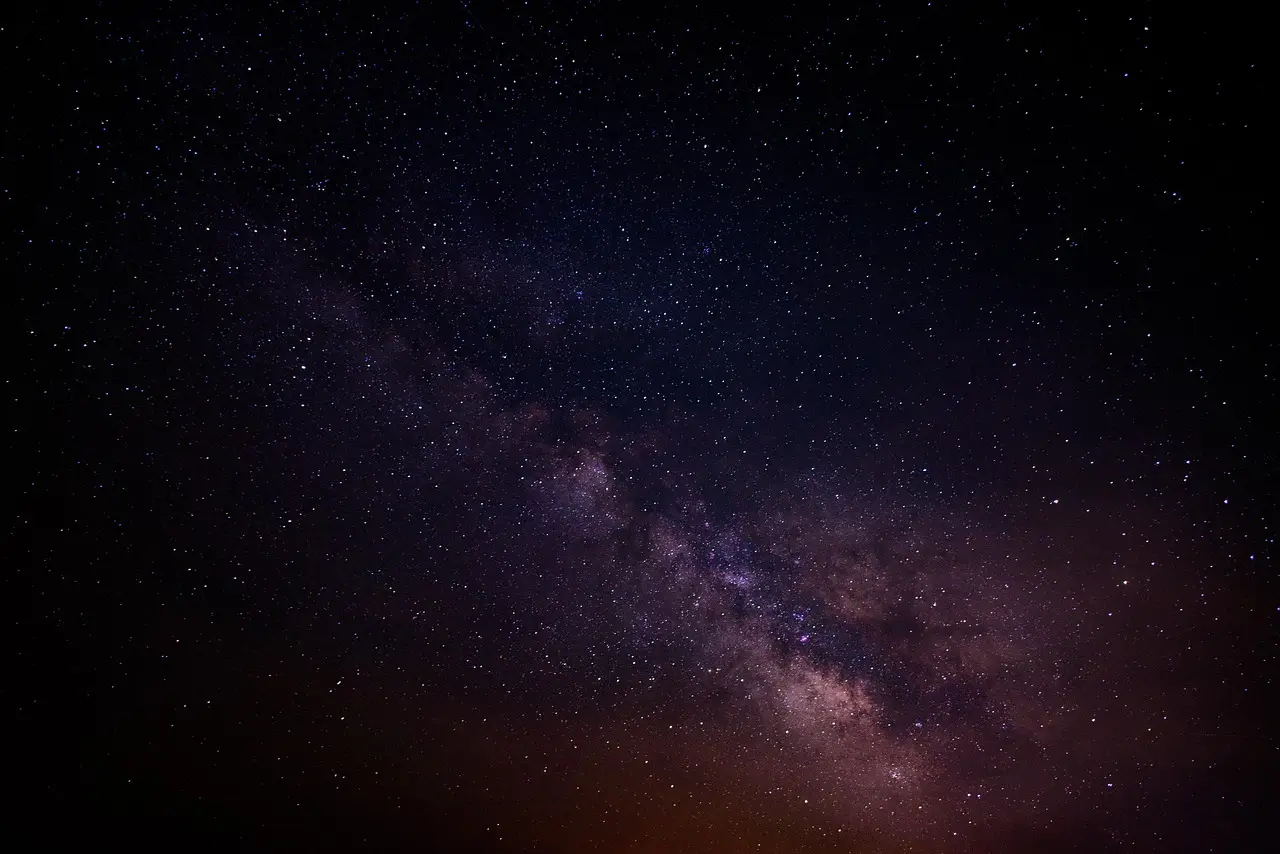
Up to 15 shooting stars per hour may streak across near-moonless skies tonight, Nov. 16 into Nov. 17, as the annual Leonid meteor shower reaches its peak.
The American Meteor Society, which tracks meteor activity worldwide, identifies the Monday-to-Tuesday night as the best window to watch a shower that remains active from Nov. 6 through Nov. 30. This year, timing favors viewers in an unusual way: a 45%-lit waxing crescent moon will set just before midnight, leaving the darkest hours free of interfering moonlight.
Why the Leonids stand apart
The Leonids typically deliver around 15 meteors per hour under ideal conditions, a modest rate by meteor-shower standards. What they lack in quantity, they make up for in speed and spectacle. Leonid meteors travel at 43 miles per second — roughly 70 kilometers per second — making them among the fastest shooting stars of the entire year. They also frequently burn bright, leaving glowing trails that linger in the sky after the flash itself has faded.
Meteors appear to radiate from the constellation Leo, the lion, which gives the shower its name. Between midnight and dawn on Tuesday, Nov. 17, Leo climbs higher into the eastern sky, and that is when observers should see the most activity. The meteors themselves, however, can appear anywhere in the sky, not only near Leo.
How to watch
The practical requirements are simple but unforgiving of impatience:
- Find a location away from artificial lights, where the horizon and sky are open and wide.
- Lie back and take in as much of the sky as possible rather than staring at one patch.
- Allow about 20 minutes for your eyes to adapt fully to the darkness.
- Leave the binoculars and telescope indoors; they restrict the field of view, and meteor watching demands the widest possible gaze.
- A smartphone or a dedicated astrophotography camera can capture the shower, so photography remains an option for those who want a record of the night.
What causes the shower?
The Leonids originate from Comet 55P/Tempel-Tuttle, a ball of ice and dust about 2.2 miles (3.6 kilometers) across that takes approximately 33 years to orbit the sun. Each pass leaves a trail of tiny dust particles and debris scattered through the inner solar system. When Earth plows through this debris field every November, the particles strike the atmosphere at high speed and burn up as streaks of light — the shooting stars viewers see from the ground.
Tempel-Tuttle last visited the inner solar system in 1998 and is expected to return in 2031.
When will the next meteor storm arrive?
No meteor storm is expected this year, and the distinction matters. The Leonids are famous for occasional outbursts in which the rate surges to 1,000 shooting stars per hour — a phenomenon astronomers call a meteor storm (a sudden, dense burst of meteors far above a normal shower's rate).
The American Meteor Society records such storms in 1833, 1866, 1966, 1999, 2001 and 2002. The next one is not expected until 2099, when Earth is forecast to cross an especially dense filament of the comet's debris.
What comes after the Leonids?
Skywatchers who miss tonight's peak have a richer display on the horizon. The Geminids, the next major meteor shower, peak overnight on Dec. 13-14 and can produce up to 120 meteors per hour — eight times the Leonids' typical rate. Unlike the Leonids, the Geminids originate from an asteroid rather than a comet. This year the Geminids also benefit from dark skies, because a slim crescent moon will set shortly after dark on Dec. 13.
For now, tonight offers the simpler pleasure: a fast, bright shower under a moonless sky, best enjoyed lying back and looking up.
via livescience.com/feeds/news (Source)
More from Priya Raman
Show full bio
Senior reporter covering people, launches and day-to-day practice in general science news at SciBeat.
476 articles
Nearby plates
- Artemis II Astronauts Spotted Five Moon Impact Flashes From Orion
- Supernova SN 2026ahvu Flares Up Just 50 Million Light-Years Away
- A Giant Star Flares Every 113 Days. Chandra May Have Found Why
- Gamma-ray burst's engine fired for 27 days, shattering the record
- Auroras and Power Grid Failures Share One Cause, Study Finds