Recorded November 28, 2026
Space & AstronomyReported finding
Moon Dust and Cardboard Waste Could Insulate NASA's 2032 Lunar Base
Purdue researchers turned simulated moon dust and cardboard waste into an aerogel insulation for lunar habitats, chasing shipping costs of $544,000 per pound and NASA's 2032 base goal.
By James Calloway3 min read652 words
In brief
- Lunar shipping costs about $544,000 per pound ($1.2 million per kilogram).
- NASA aims for a sustainable moon base by 2032 via the Artemis program.
- The Purdue aerogel combines simulated regolith with cellulose fiber from cardboard waste.
- The research was published in September in ACS Sustainable Chemistry & Engineering and announced Nov. 19.
- The team has only tested regolith simulant, not real lunar dust.
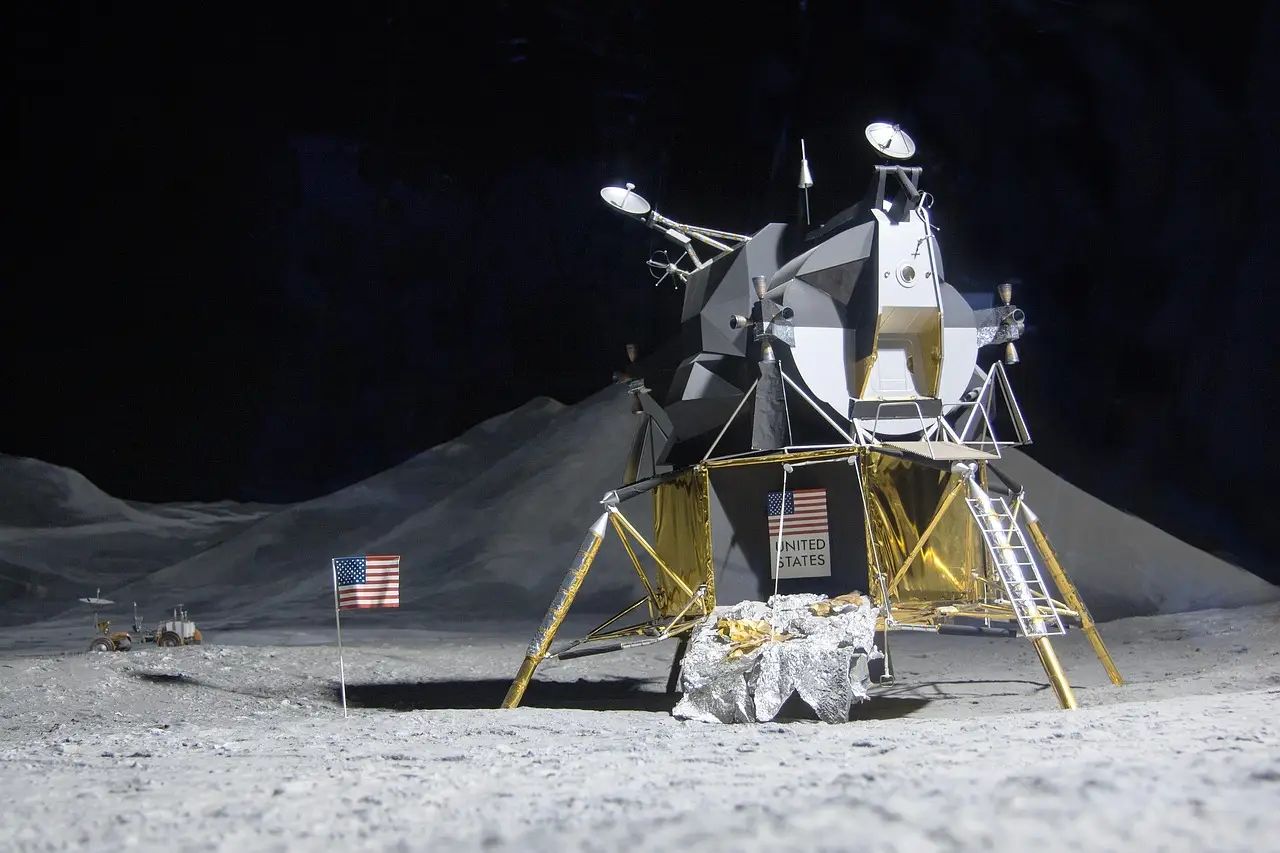
Shipping anything to the moon currently costs about $544,000 per pound — roughly $1.2 million per kilogram — and that single number explains why a team at Purdue University has built a new insulation material out of moon dust and recycled cardboard.
The material is an aerogel made from simulated lunar regolith — the fine, dusty grit covering the moon's surface — mixed with cellulose fiber salvaged from cardboard waste. The researchers say it could shield future lunar habitats from the moon's brutal temperature swings, where conditions swing between extremes that would make ordinary building materials struggle. The findings appeared in September in the journal ACS Sustainable Chemistry & Engineering, and the team described the work in a Nov. 19 statement.
Why the cost math drives everything
Lunar freight at seven figures per kilogram means every pound of insulation hauled from Earth is a pound of something else left behind. So the race across the field is to make the moon's most abundant resource — regolith — do the heavy lifting. Scientists have already proposed regolith-based 3D-printed bricks, solar arrays, and even a soil substitute for growing potatoes. The Purdue aerogel extends that list to thermal protection.
"Sustaining a long-term presence on the moon will require us to rethink how we use local resources," said Wei, a professor in Purdue's James Tarpo Jr. and Margaret Tarpo Department of Chemistry.
NASA wants a long-term, sustainable moon base operating by 2032 through its Artemis program. That deadline is ambitious, and the agency has not yet committed to any specific construction material for the habitats themselves.
How does a dust-and-cardboard aerogel actually work?
An aerogel is, essentially, a solid that is mostly empty space. That void is the point: it traps air, and trapped air resists heat flow, which is the same physics a vacuum flask uses to keep coffee hot.
"Imagine an aerogel as a high-tech thermos for a lunar base," said Jacob Staker, a graduate researcher on the study. "Most of it consists of empty space that insulates the interior, helping it maintain the temperature of what's inside."
The Purdue version combines cellulose — the fiber that gives cardboard its structure — with a regolith simulant, since the team obviously cannot mine real lunar dust in an Indiana lab. That substitution matters. Regolith simulants approximate the real material's chemistry and grain shape, but they do not perfectly reproduce the moon's sharp, electrostatically clingy dust, which behaves in ways that have bedeviled previous hardware. Testing on actual regolith samples, or on the moon itself, remains outstanding.
There is also a design philosophy here worth underlining. Wei is explicit that the goal is not peak performance at any cost.
"Rather than relying on Earth to supply everything we need, we're exploring how materials already available on the moon, including waste generated by its inhabitants, could be upcycled into something essential for safe and livable habitats," Wei said.
In other words: the best aerogel in the lab loses to a decent aerogel you can actually make on-site. "We're looking for the sweet spot where we can get the properties we need with the limited resources we have available" on the moon, Wei added.
What does this change for Artemis?
Not much yet, honestly — and that is the honest read. The work is a lab demonstration on simulated materials, published in a chemistry journal, not a flight-qualified component. No thermal performance figures from vacuum-chamber testing appear in the announcement, and the team has not said when or whether the material will face lunar trials.
But the underlying approach — treating astronaut garbage, like cardboard packaging, as a feedstock alongside regolith — closes a loop that earlier regolith-only proposals left open. If NASA holds to its 2032 target, materials like this one, warts and limitations included, are the kind of bet the agency will have to take.
via space.com (Source)
More from James Calloway
Show full bio
Staff writer covering regulation, policy and their impact on general science news at SciBeat.
626 articles
Nearby plates
- Scientists Call for a Moratorium Before Lunar Industry Takes Off
- Scientists Call for Moratorium on Moon Mining Before It Becomes the Wild West
- Chip-Making Plasma Tech Pulls Oxygen From Fake Moon Soil
- Potatoes Grown in Simulated Lunar Soil Match Earth Yields
- Potatoes complete life cycle in simulated lunar soil